


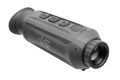
 Thermal Monoculars
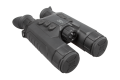 Thermal Binoculars
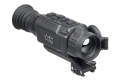 Thermal Rifle Scopes
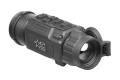 Thermal Clip-On Systems
 Thermal Accessories
 Digital Weapon Sights
 Digital Clip-On Systems
 Night Vision Monoculars
 Night Vision Binoculars
 Night Vision Goggles
 Night Vision Weapon Sights
 Night Vision Clip-On Systems
 AGM Image intensifier Tubes
 Night Vision Accessories
 Fusion Imaging Monoculars
 Fusion Imaging Binoculars
 Laser Systems
 IR Lights
 Helmets & Mounts
 Weapon Mounts
 Miscellaneous
 SKD Kits
 PVS 14 Spare Parts
 PVS 7 Spare Parts


This product is not exportable outside the United States.

By adding this item to cart, you agree and acknowledge the Export Policy and confirm that you are a person in the United States with no intentions to illegally export the device.
This product is not exportable outside the United States.
By adding this item to cart, you agree and acknowledge the Export Policy and confirm that you are a person in the United States with no intentions to illegally export the device.
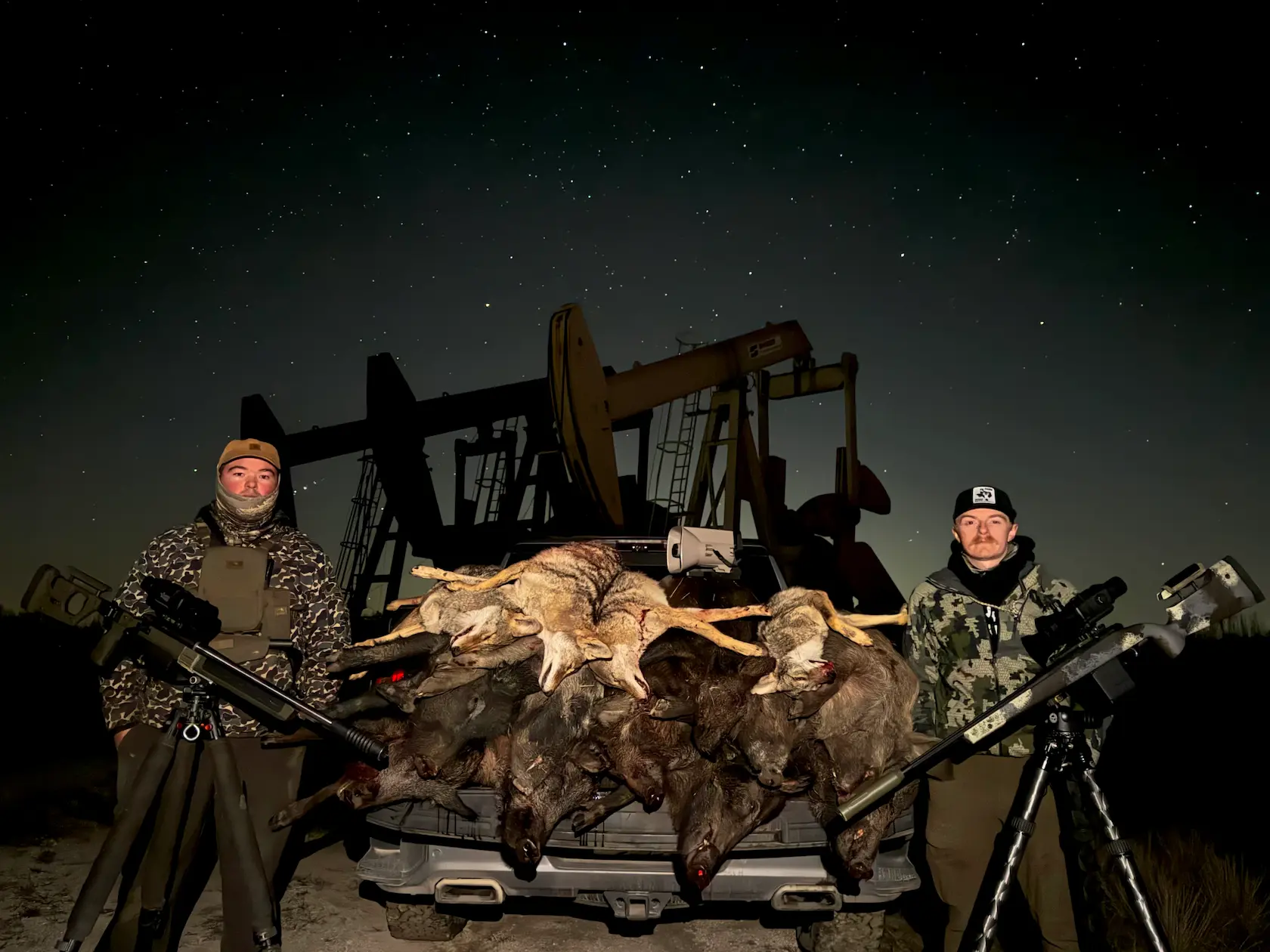
Thermal hog hunting will be successful if you choose the right caliber. Hunters always compare .300 Blackout vs. the .308 Win, each with its own advantages. But which is better - the .308 with more energy and velocity, or the .300 BLK with its softer recoil and the ability to make quick shots?
| Ballistics Characteristics | .300 Blackout | .308 Winchester |
|---|---|---|
| Load | 125 gr (8.1 g) | 150 gr (9.7 g) |
| Velocity | 675 m/s (2,215 fps) | 860 m/s (2,820 fps) |
| Energy | 1,840 J (1,360 ft-lb) | 3,600 J (2,650 ft-lb) |
| Drop (at 275 m) | 0.6–0.65 m | 0.2–0.25 m |
When hunting at night, it's important to maintain absolute silence. Wild hogs might not see very well at night, but they've got exceptional hearing. In this situation, a suppressor is the optimal solution, as it allows for minimal noise even when firing. The .300 BLK suppressed hog hunting caliber is ideal—especially if you're shooting subsonic rounds. After all, that's part of the reason .300 Blackout was created.
Although the .308 Winchester is less well-suited for suppressor use. It produces significantly more powder gases during firing than the .300 Blackout, so overall, you'll have a much harder time taming the noise on a .308. Those who are new to running suppressors might be surprised to find that they don't make that "Hollywood quiet" sound when firing. In the case of shooting a .308, using a suppressor will make a noticeable difference in decibel reduction, but don't hold your breath for absolute silence. That doesn't mean that suppressors are useless for night hunting. They're still a must-have—using a suppressor not only helps with hearing safety, but the quieter shots increase the amount of time you have to take follow-up shots before those hogs figure out what's going on and hightail it out of there. Because .300 Blackout is easier to run suppressed and is overall a much quieter round, .300 Blackout takes the crown if your priority is to be as quiet as possible.
Thermal hog hunting is an unpredictable endeavor. Sometimes you'll need to shoot at close ranges, while in others, you'll need to shoot at medium or even long distances. Depending on the situation, you'll need to choose different calibers. The .300 Blackout is ideal for ranges up to 150 meters—at this distance, you have a chance of bringing down a large animal like a wild boar with even a single shot.
The .308 Winchester is the complete opposite of the .300 Blackout. With its higher energy, high muzzle velocity, and flatter bullet trajectory, it's an excellent choice for shooting at ranges of 200 meters or more. The maximum .308 hog hunting distance is 500 meters, at which point it maintains sufficient killing power for harvesting large game. If you're running a lower-resolution thermal optic that has a shorter identification range, then it would make sense to run a .300 Blackout. If you're going to be taking longer shots and would like to maintain better velocities, .308 would be the way to go.
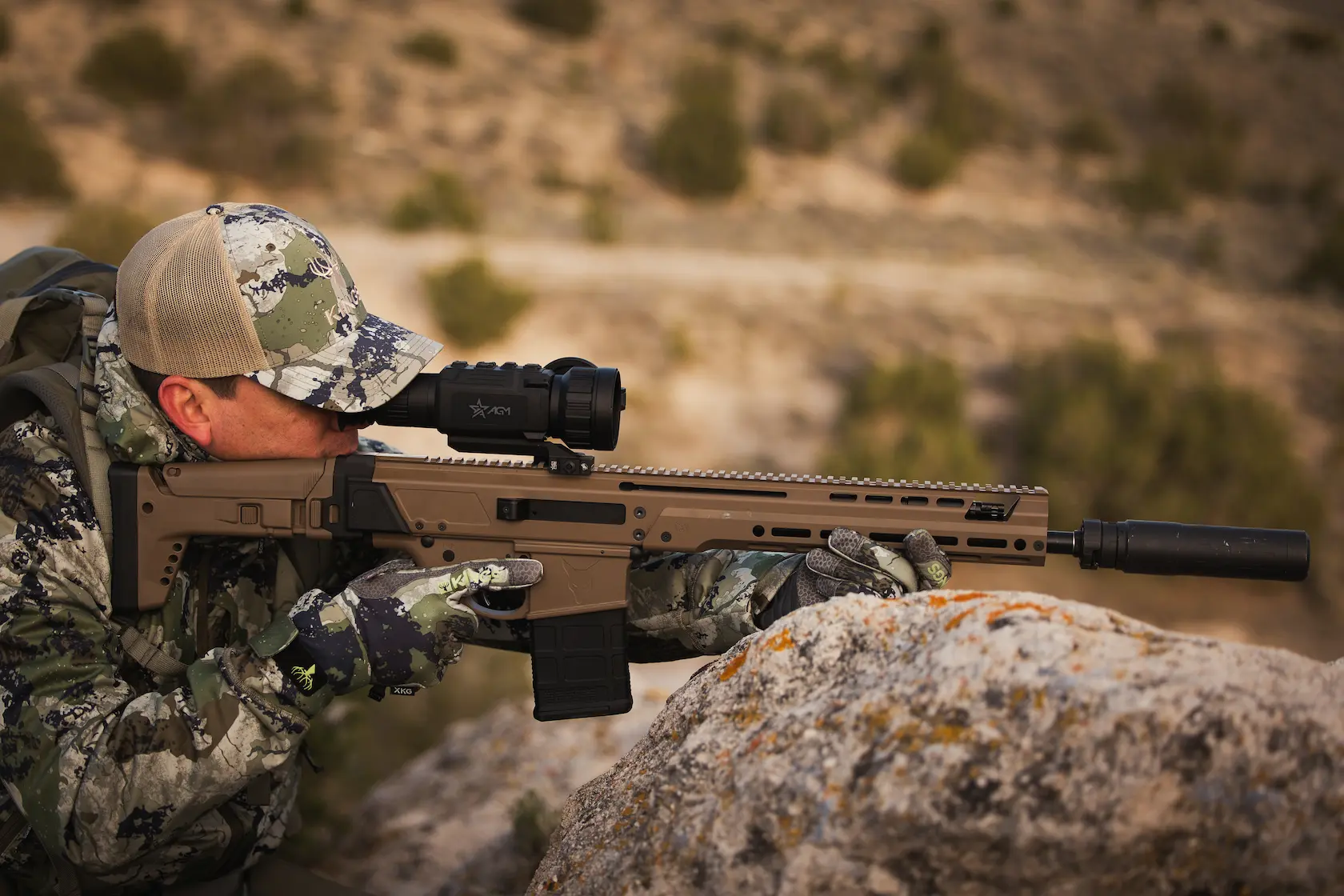
Recoil plays a key role during night boar hunting. It determines the hunter's comfort while shooting and the ability to quickly make follow-up shots if the first attempt is unsuccessful. In this regard, the .300 Blackout is the clear favorite. The .300 BLK recoil is much more manageable and poses no problems for the shooter.
The .308 recoil is more substantial. A newer hunter might have more trouble getting back on target after taking a shot—you take too long to get back on target and those hogs will be long gone. This characteristic of the .308 Winchester leaves the hunter virtually no margin for error.
For many hunters, cost is a key factor when choosing ammunition. It's challenging to identify a clear winner based on this factor. On average, the .308 ammo price is lower, but the exact price depends on the manufacturer and the quality of the specific product. The cost of .300 Blackout ammo is higher—this is especially true for the highest-quality ammunition, where the price difference from standard .308 Winchester can be significant.
Another important factor is availability. .300 Blackout ammo is less common, so it's not readily available everywhere. However, .308 Winchester ammo is available at almost all specialty stores that sell hunting ammunition.
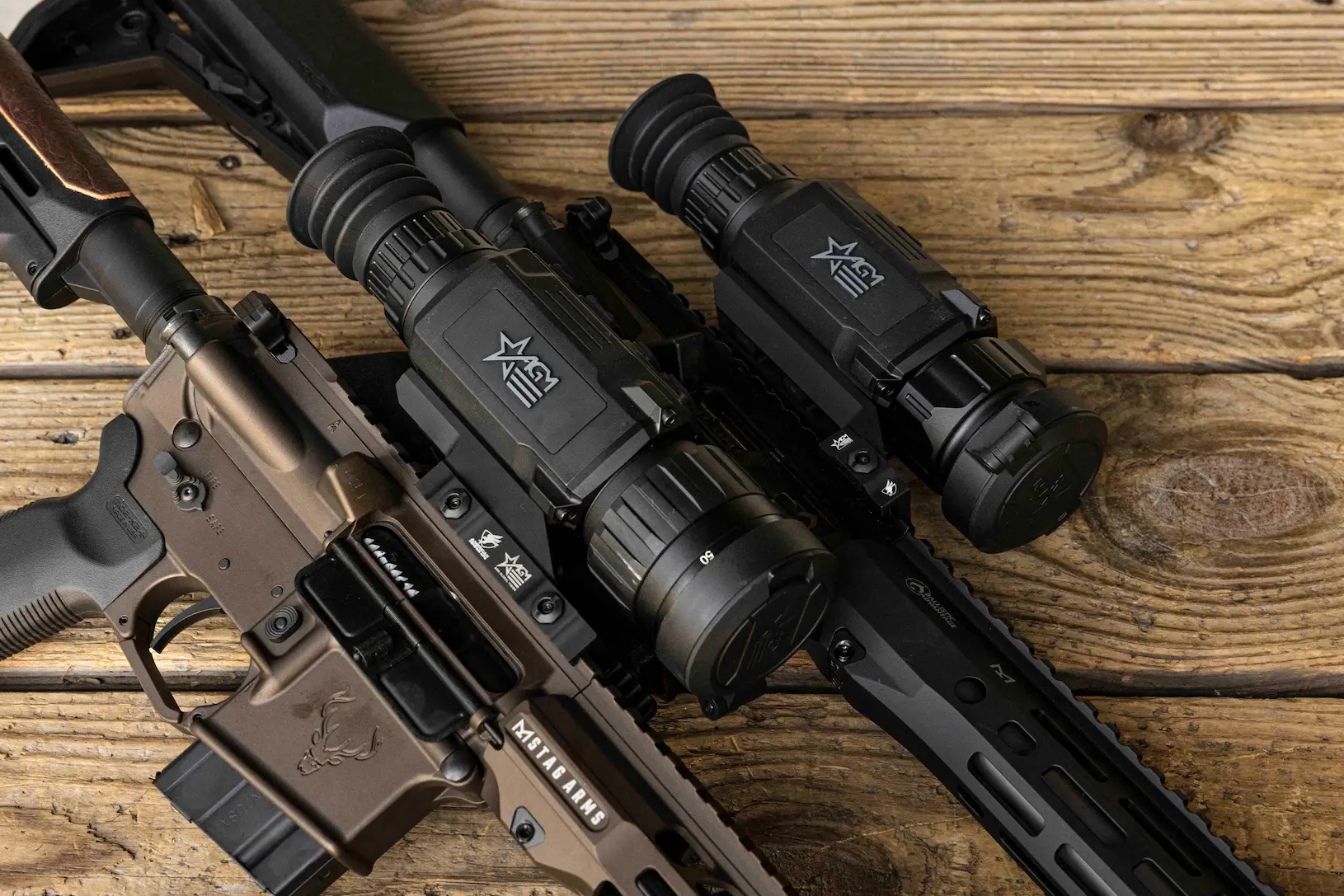
The AR-15 in .300 BLK is considered the optimal choice for thermal hog hunting. This configuration offers the lightest possible rifle while remaining compact. The AR-15's .300 Blackout magazine capacity is 30 rounds.
The AR-10 in .308 is the best alternative. Due to the characteristics of the .308 Win, hunters will need a heavier platform. When combined with a thermal imaging scope and additional equipment, the setup's overall weight will increase further. The AR-10's .308 Win magazine capacity is most often 20 rounds (the most popular option); however, alternatives with 10-, 25-, and 40-round capacities are also available.
To choose the best caliber for thermal hog hunting, consider these five key criteria:
Yes, if you use supersonic cartridges, you are no more than 120–130 meters away from the game, and you can hit a vital part of the animal's body (for example, the neck). Remember, shot placement is key regardless of your caliber choice.
Yes, the .308 will ruin more meat than .300 BLK. This is due to the higher energy which, when the bullet hits the animal, results in damage to a larger area of tissue.
The .300 BLK is much quieter with a suppressor than the .308 Win. It's inherently better suited for these purposes and creates much less powder gas than the .308 Win.
In most cases, yes. A 5.56/.223 AR uses the same bolt head as a .300 Blackout—you'll just need an upper with a barrel correctly chambered in .300 Blackout.
The .308 has reasonably strong recoil, causing the rifle to move significantly. To fire a second shot, you need to reacquire the target with your thermal sight, which can cost you precious seconds.
.308 vs .300 BLK has been a popular debate since both cartridges have been around. It's impossible to determine a single winner for all applications, but for situations where concealment, mobility, and short-range shooting are essential, the .300 BLK is the optimal choice. However, if you need to shoot at distant targets and be confident of harvesting a large animal, the .308 takes the crown. Based on these considerations, which caliber would you pick? We've got thermal optics optimized for each loadout—check out our website to find the best setup for you.
Modified: Feb 17, 2026 | 11:08 pm
Table of contents