

Night Vision Devices
Shop AGM night vision devices for low-light observation, hands-free navigation, and nighttime shooting support. Compare goggles, monoculars, binoculars, clip-on systems, and accessories built for hunters, outdoor users, law enforcement, and professional field use.
Shop Night Vision by Device Type
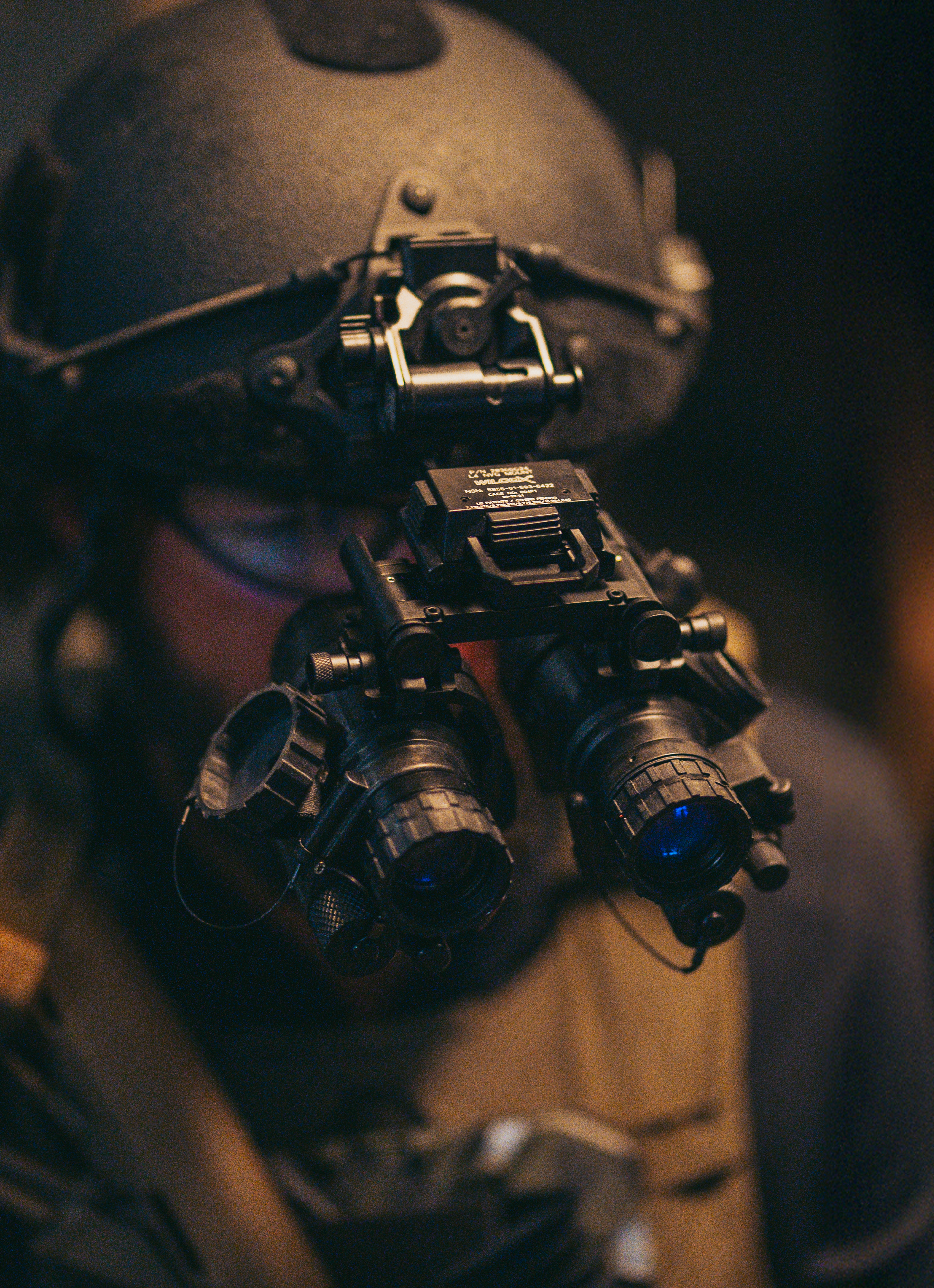
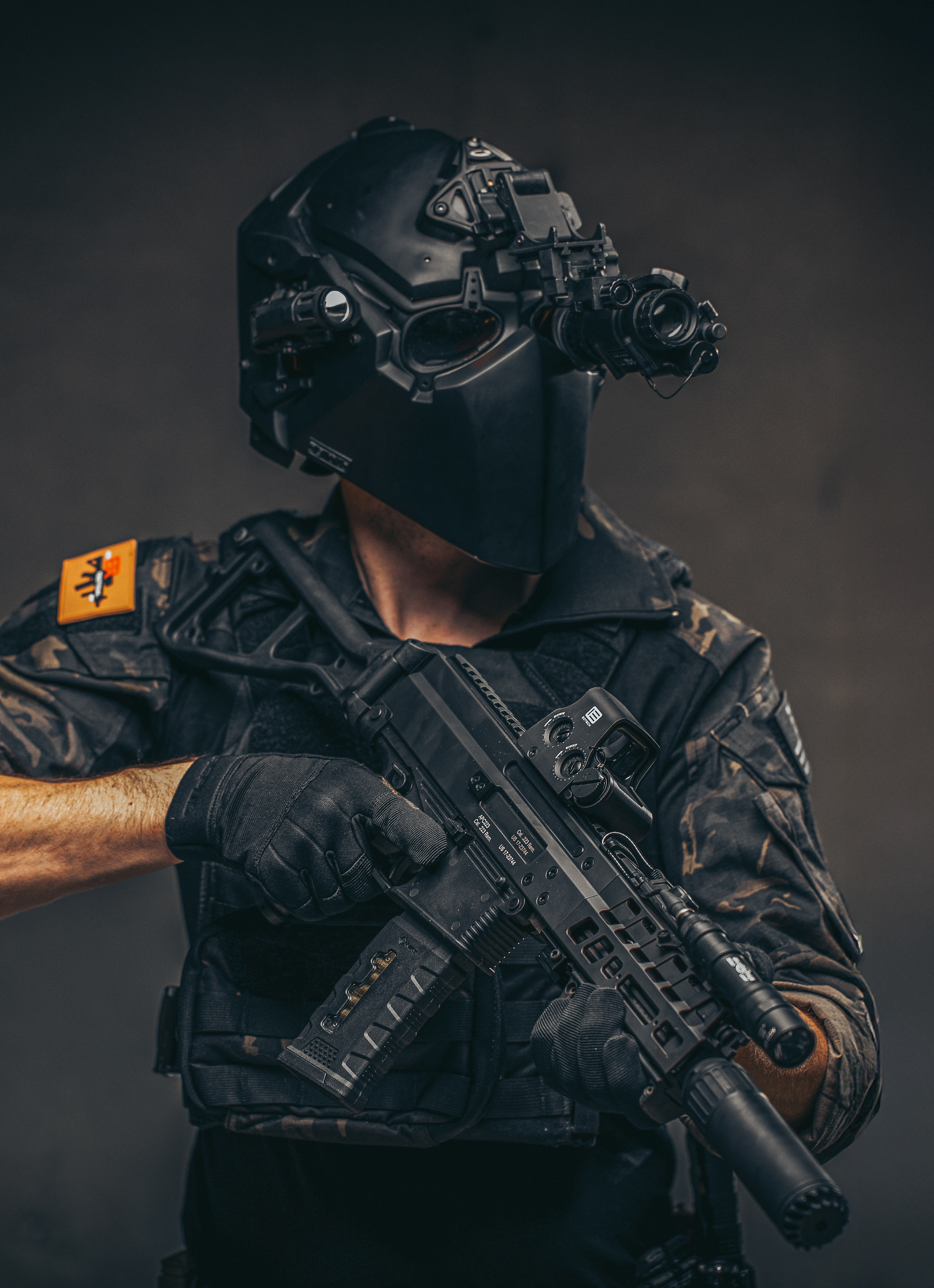
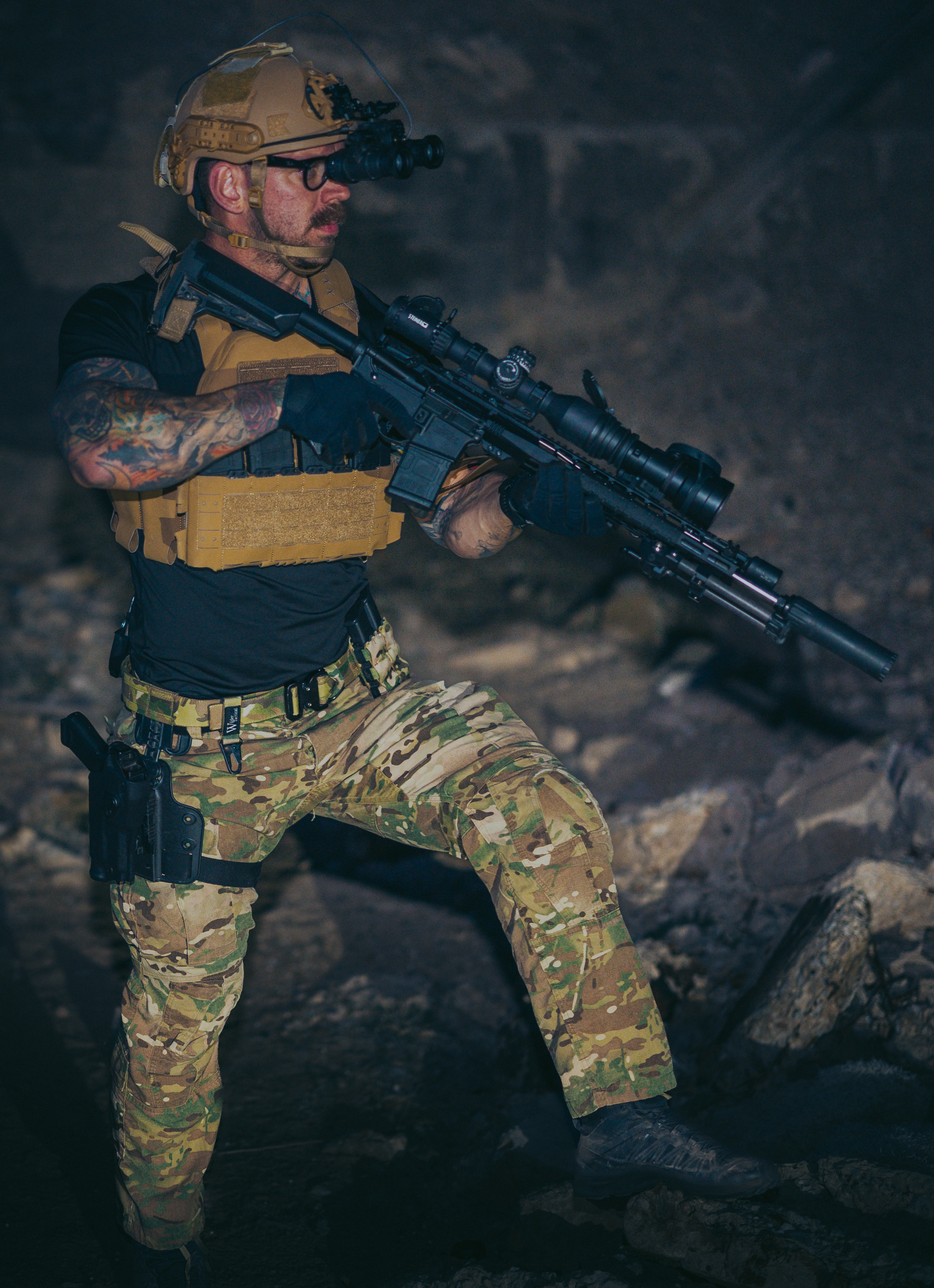
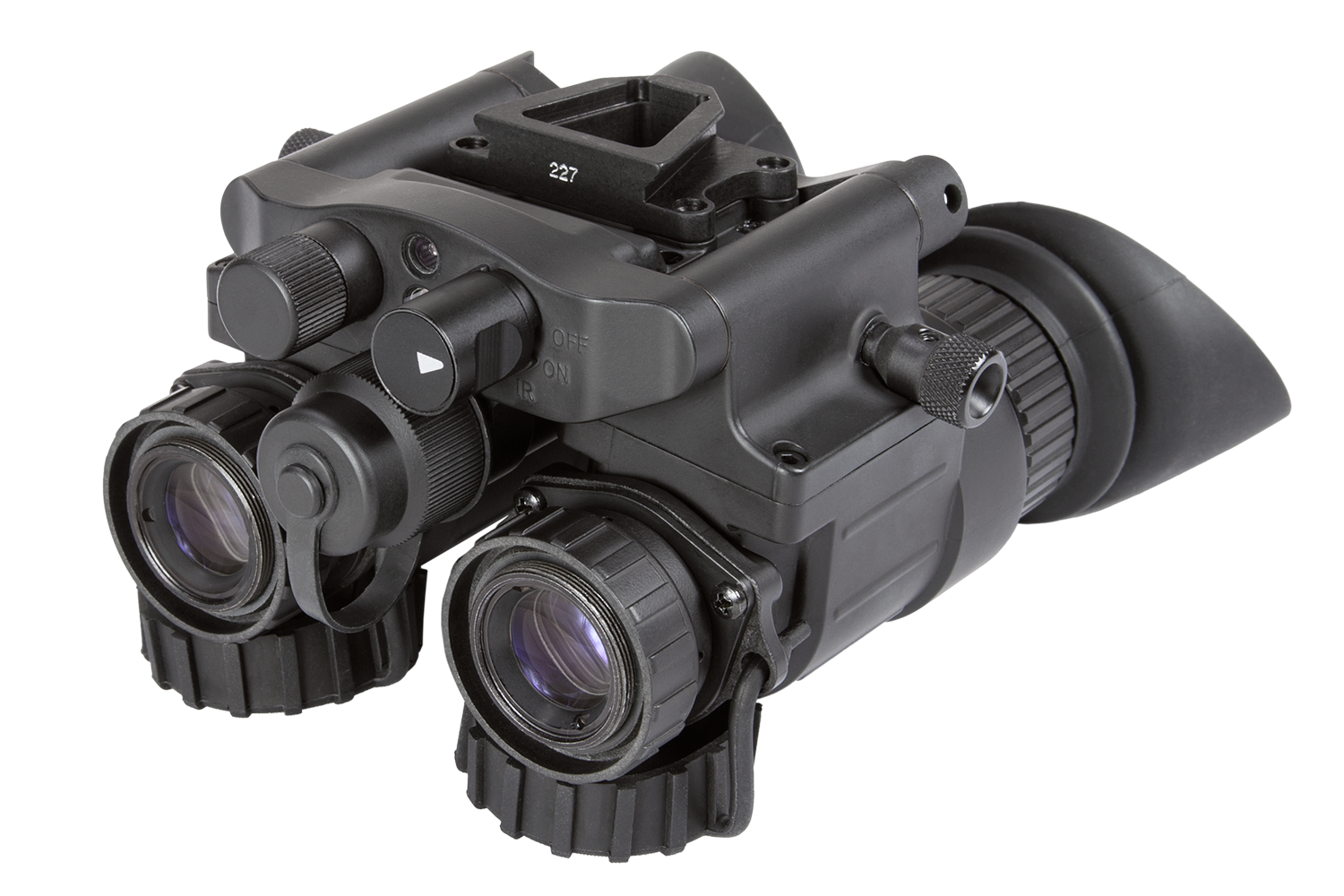
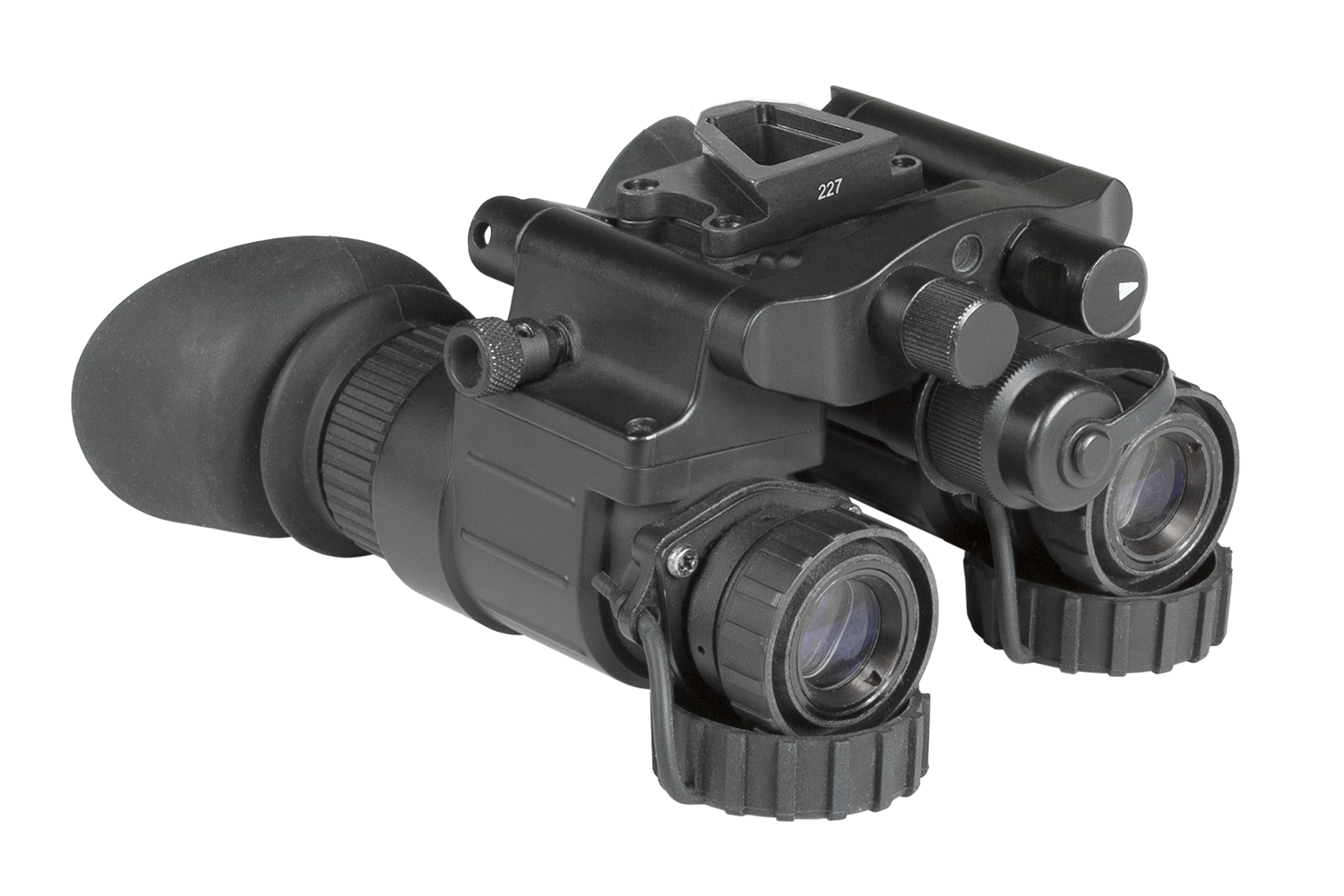
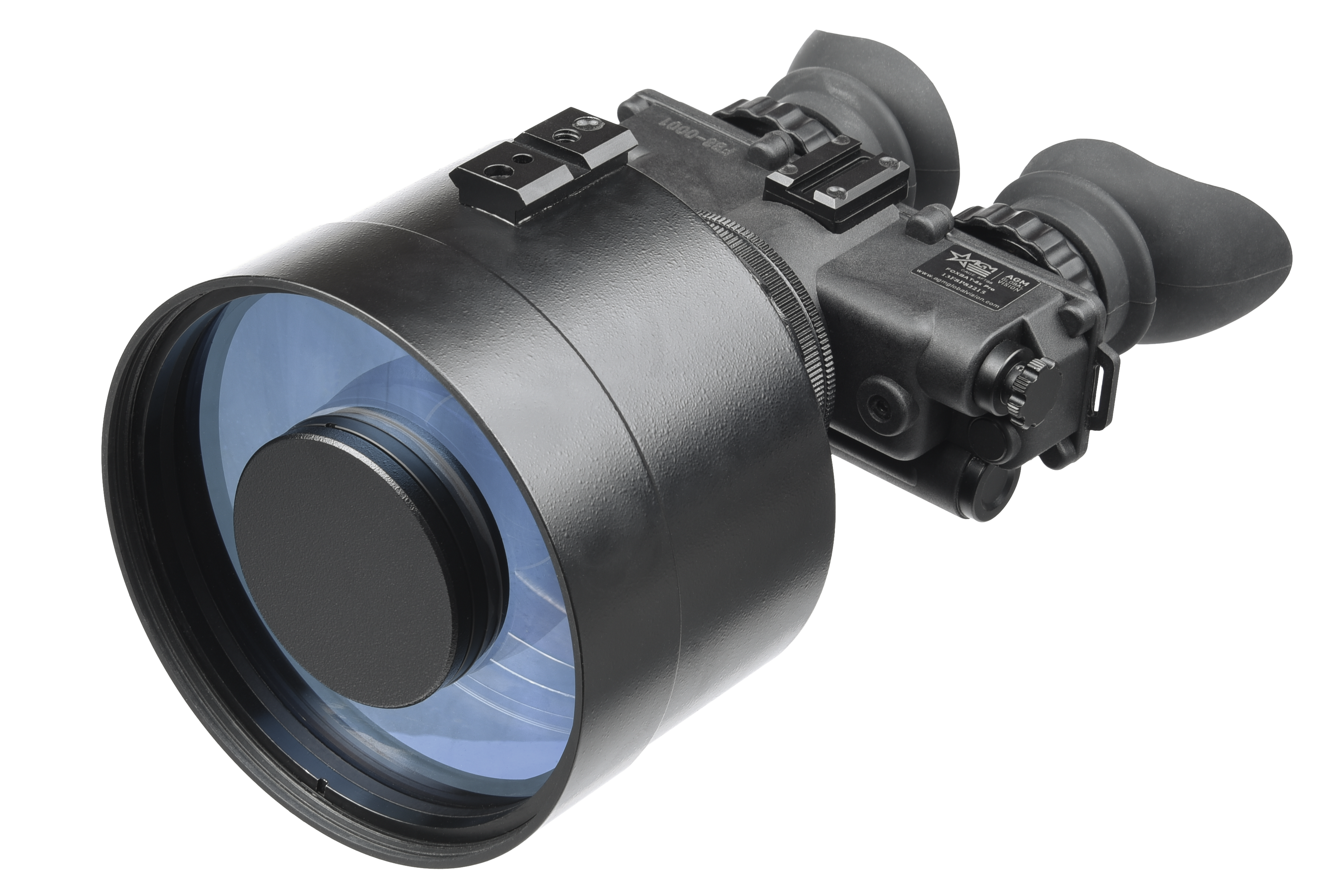
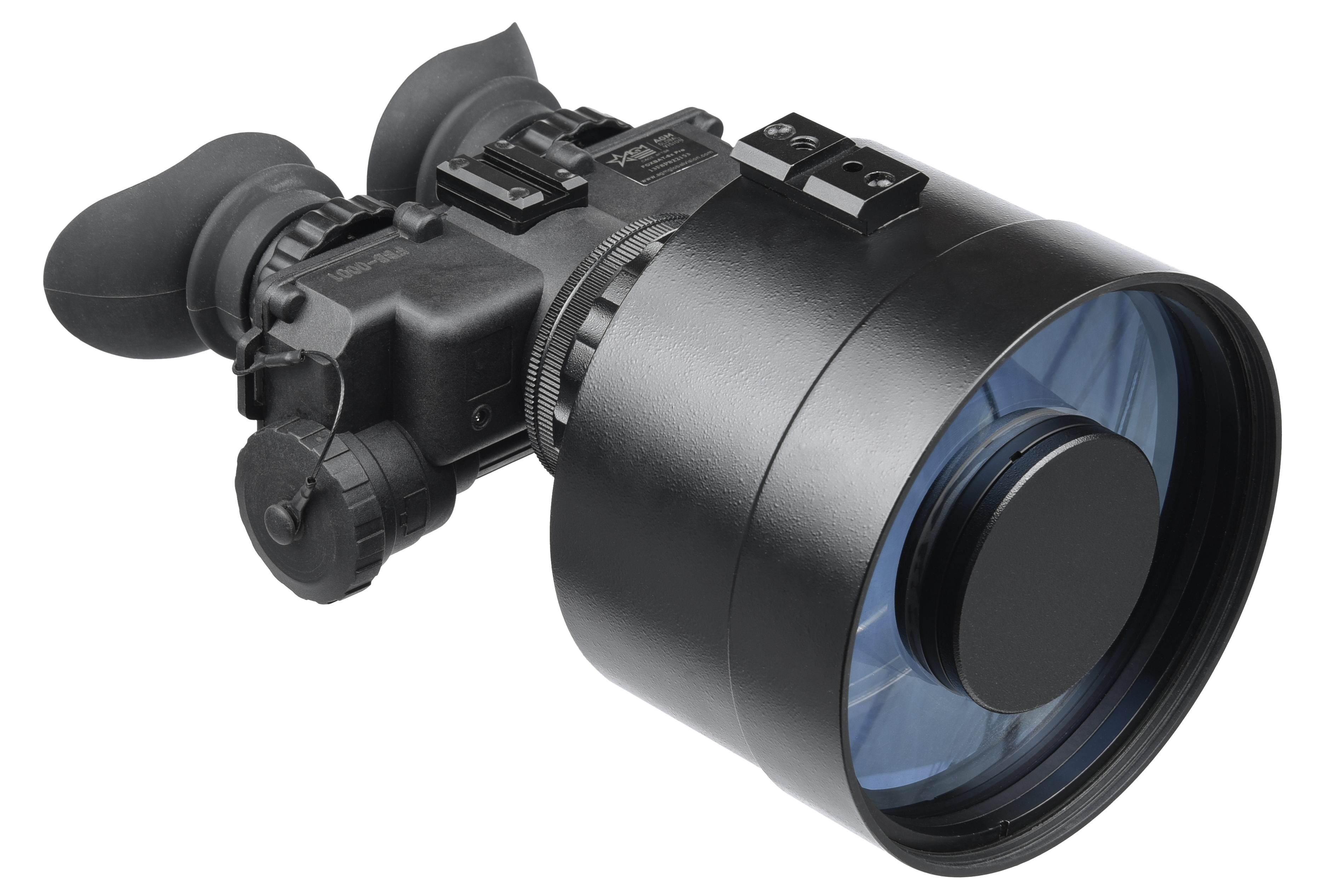
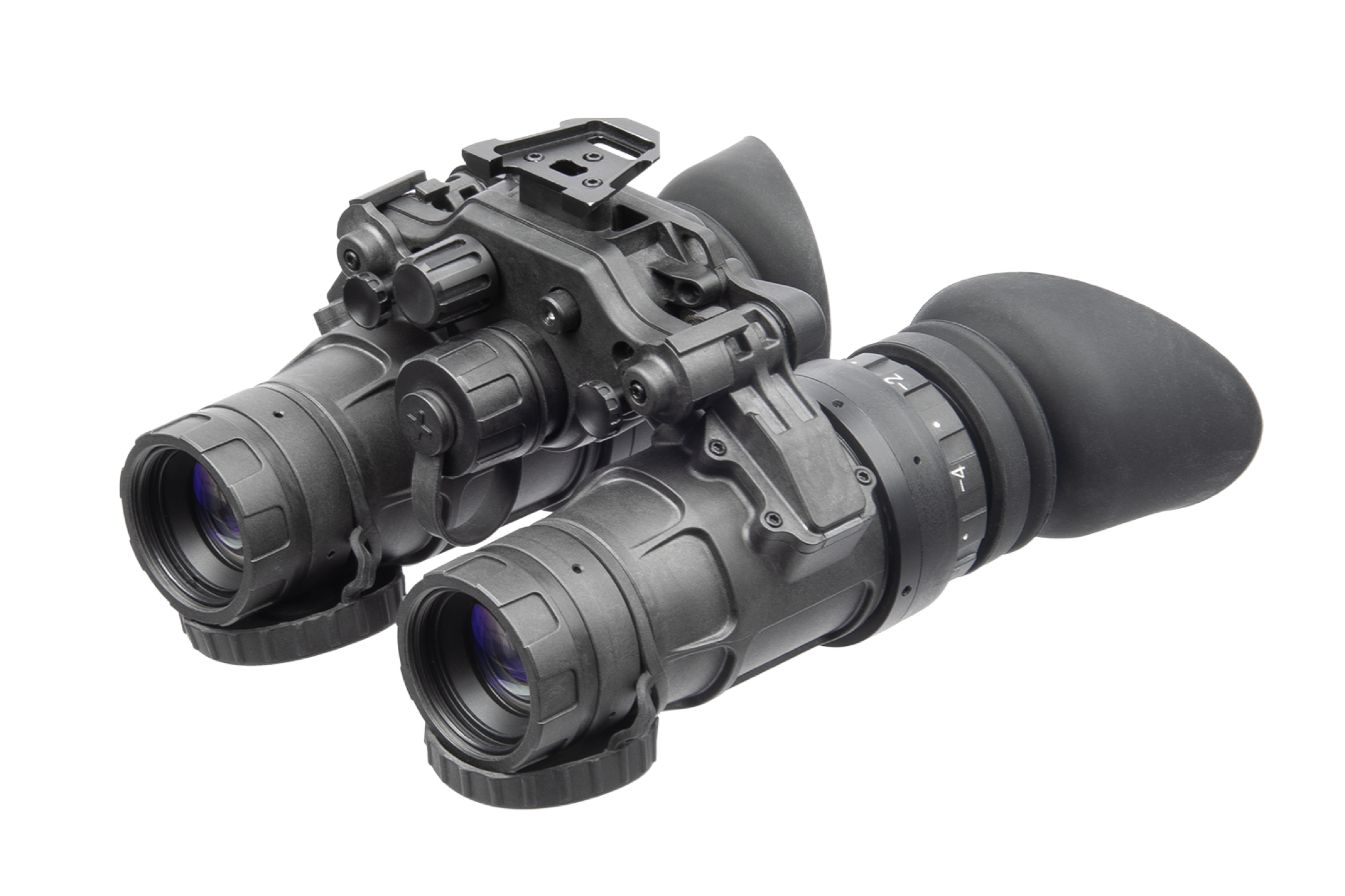
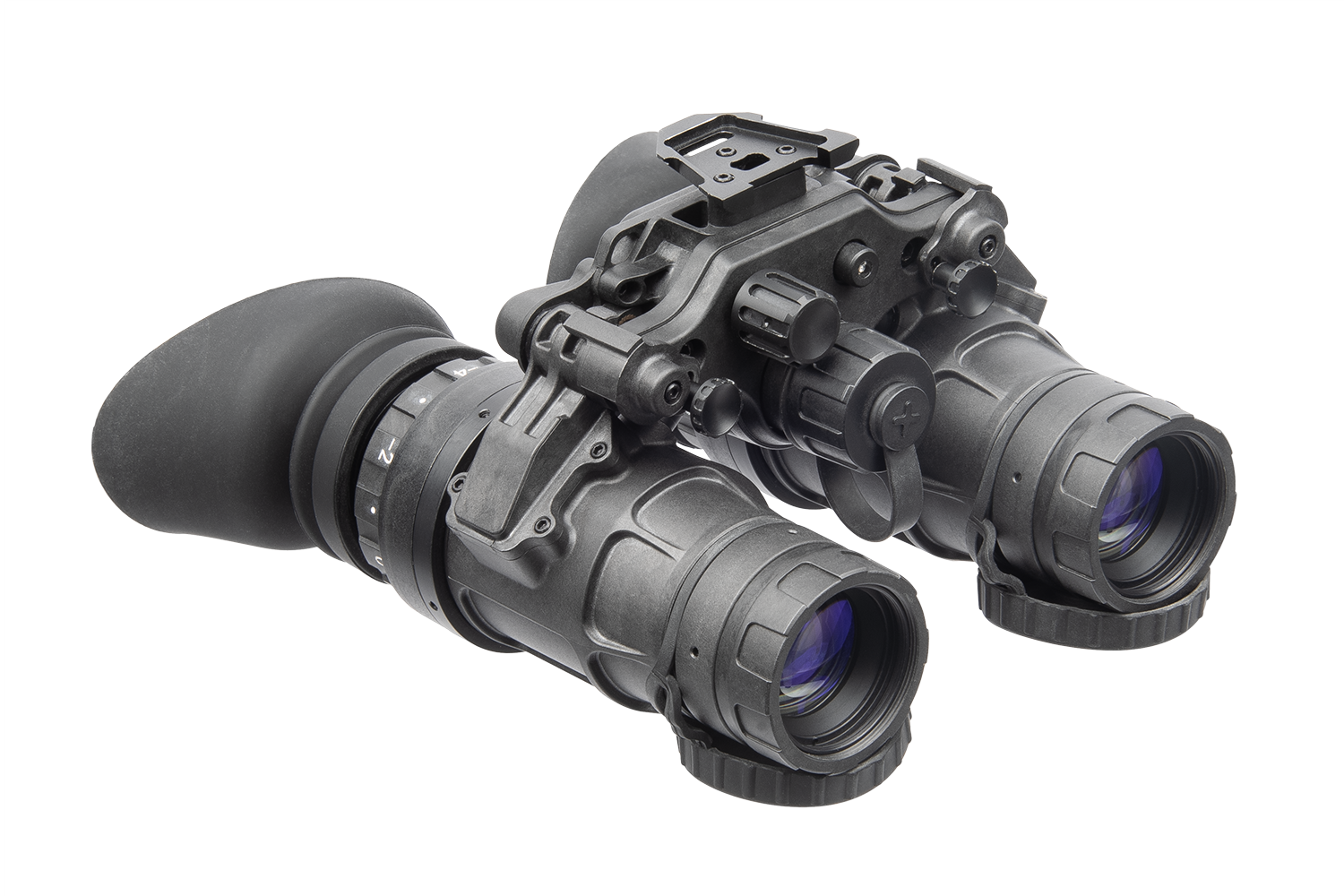
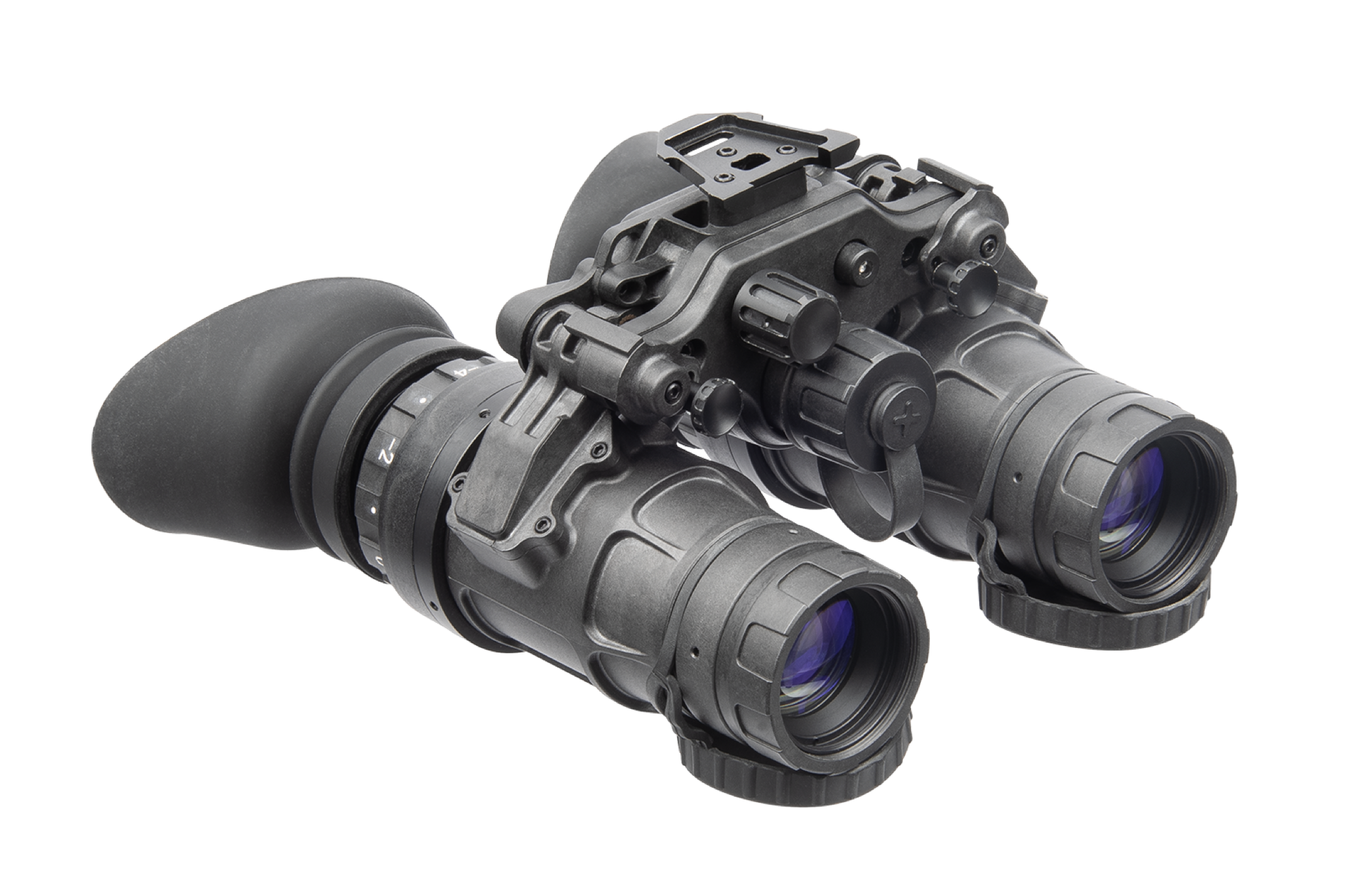
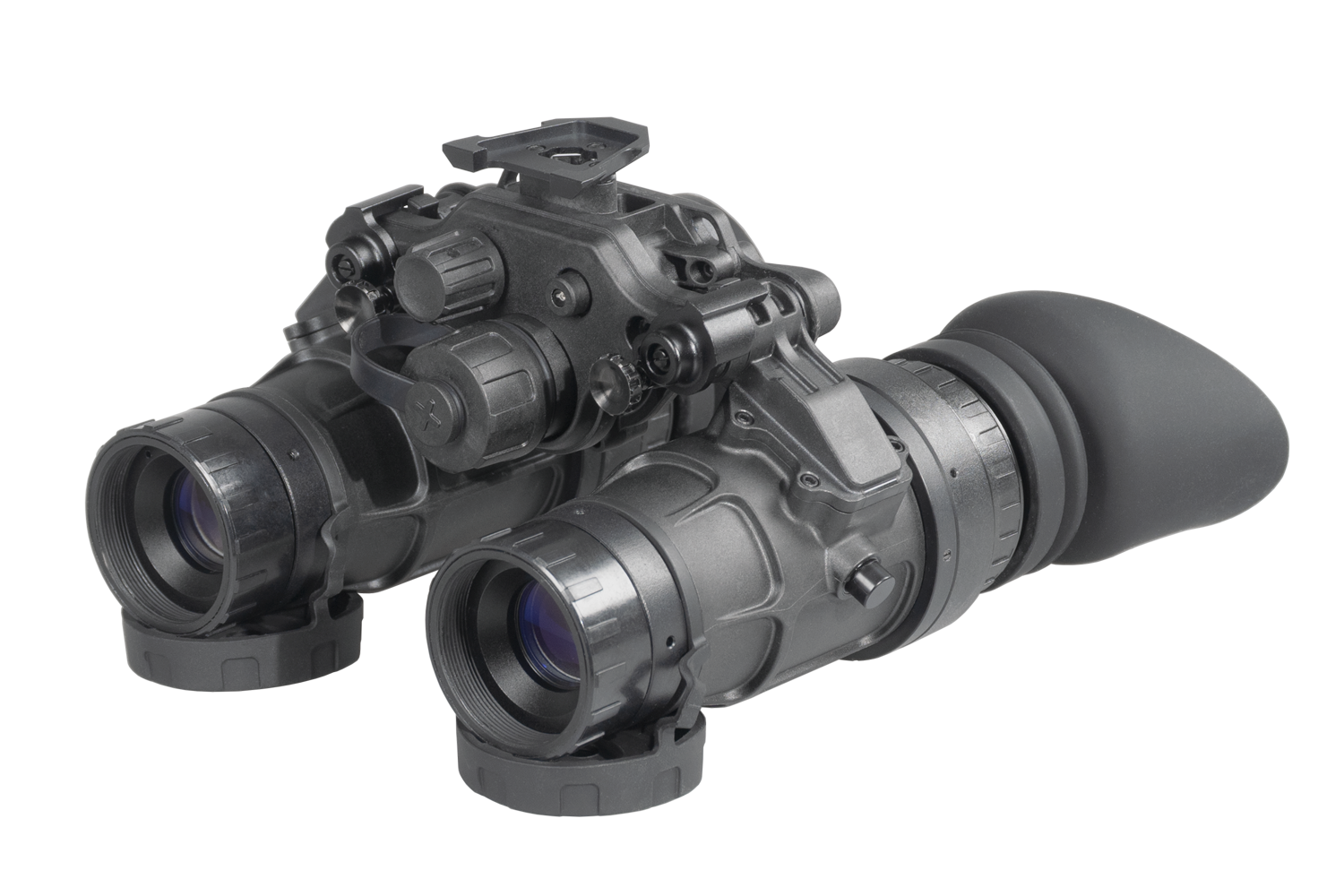
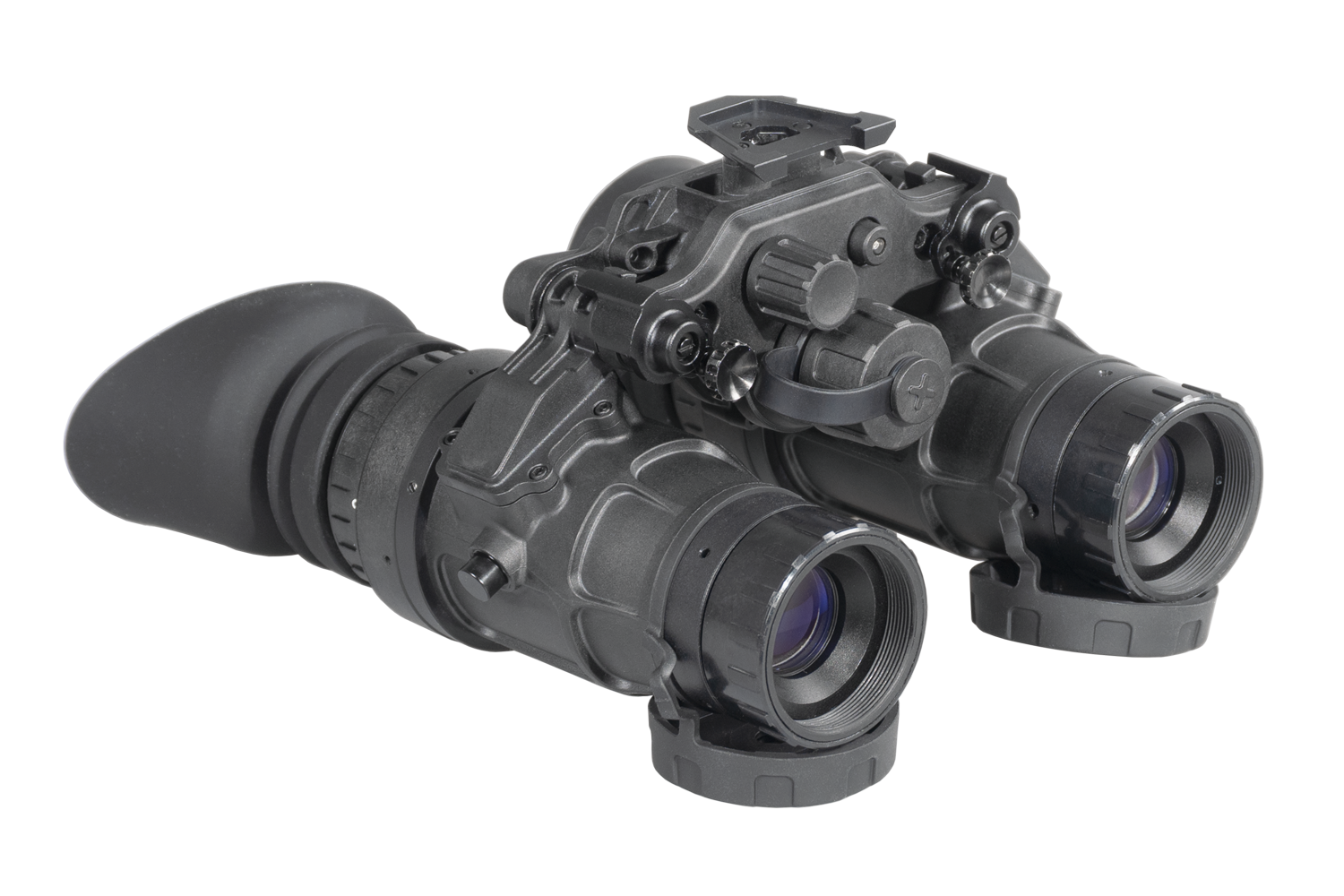
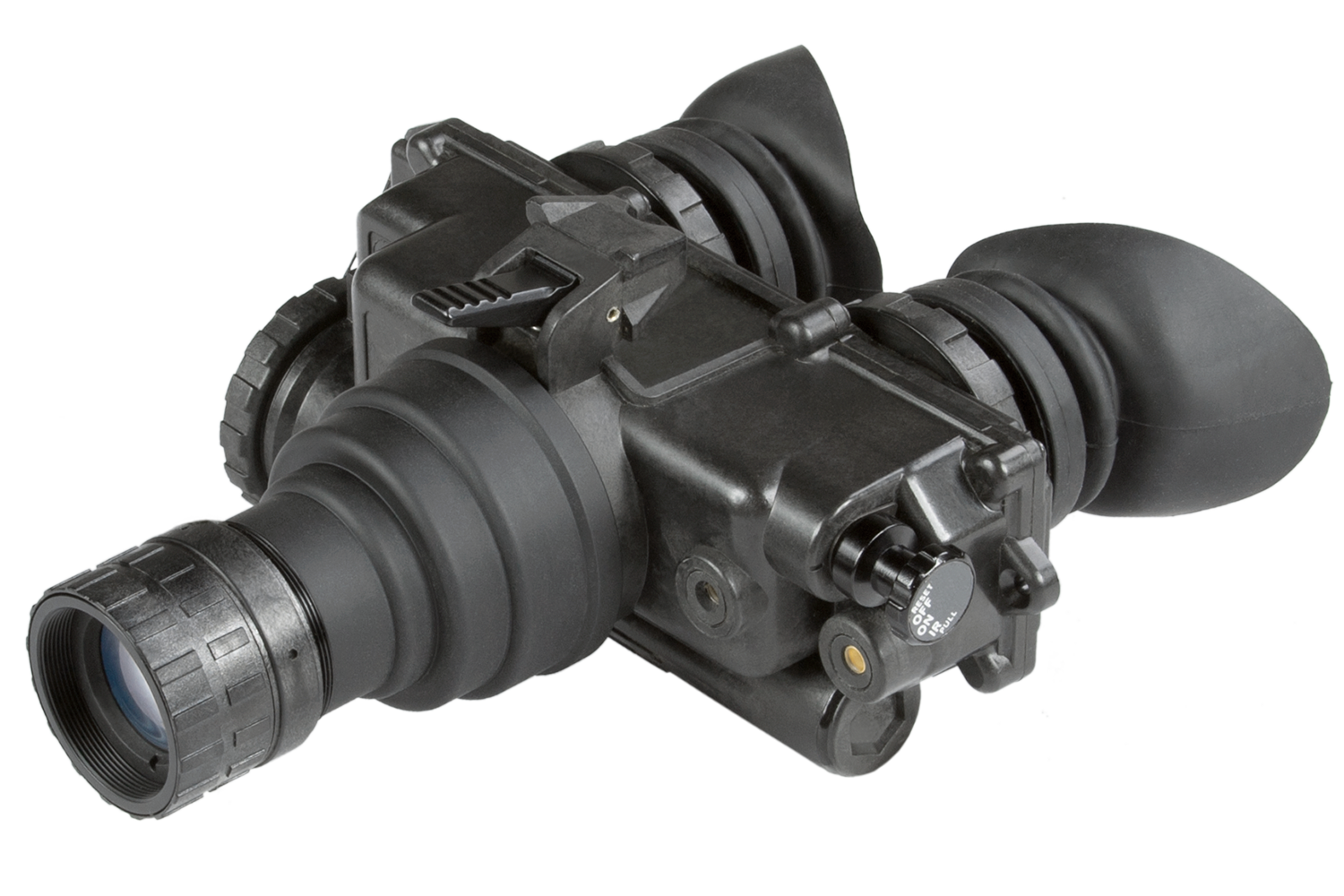
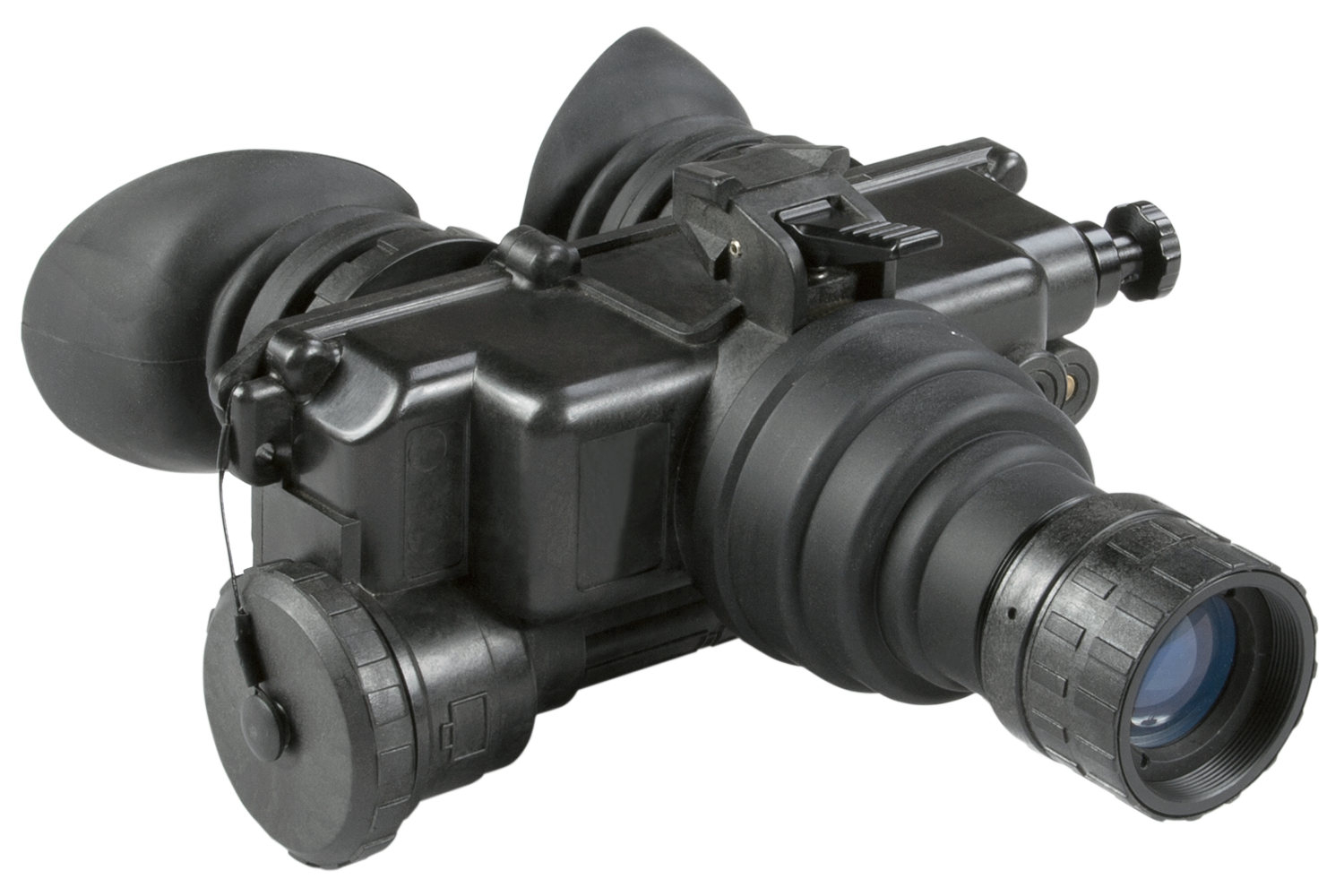
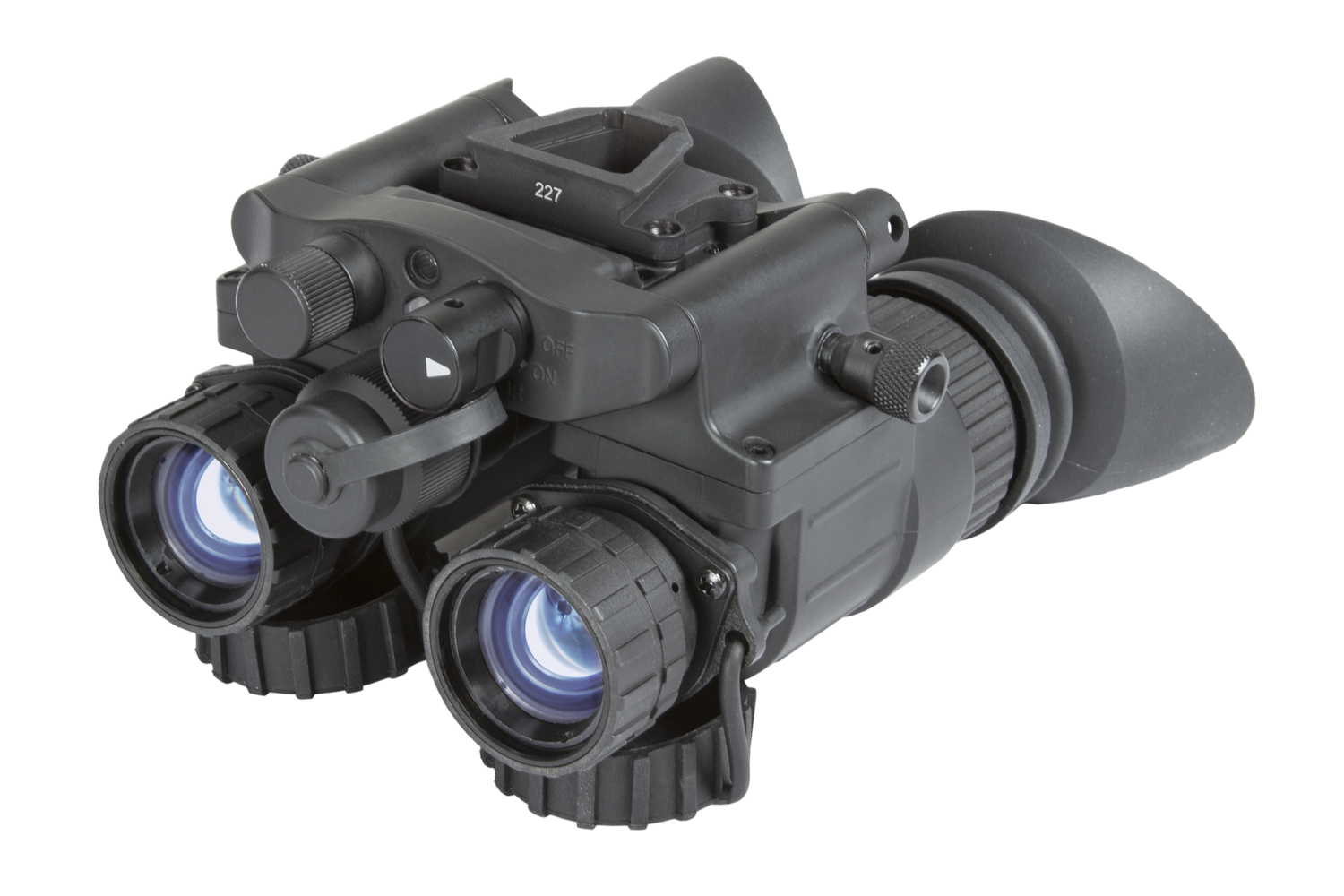
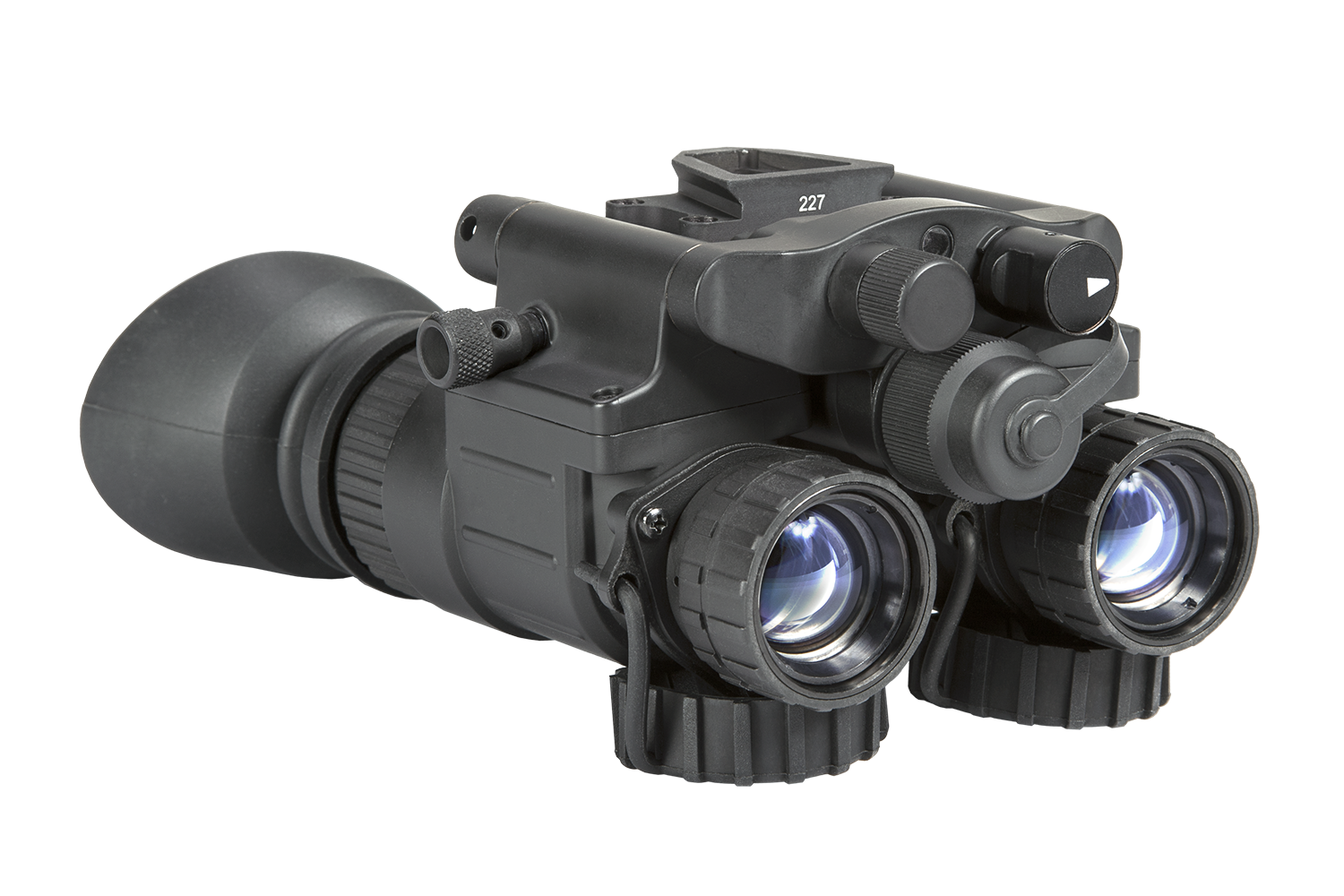
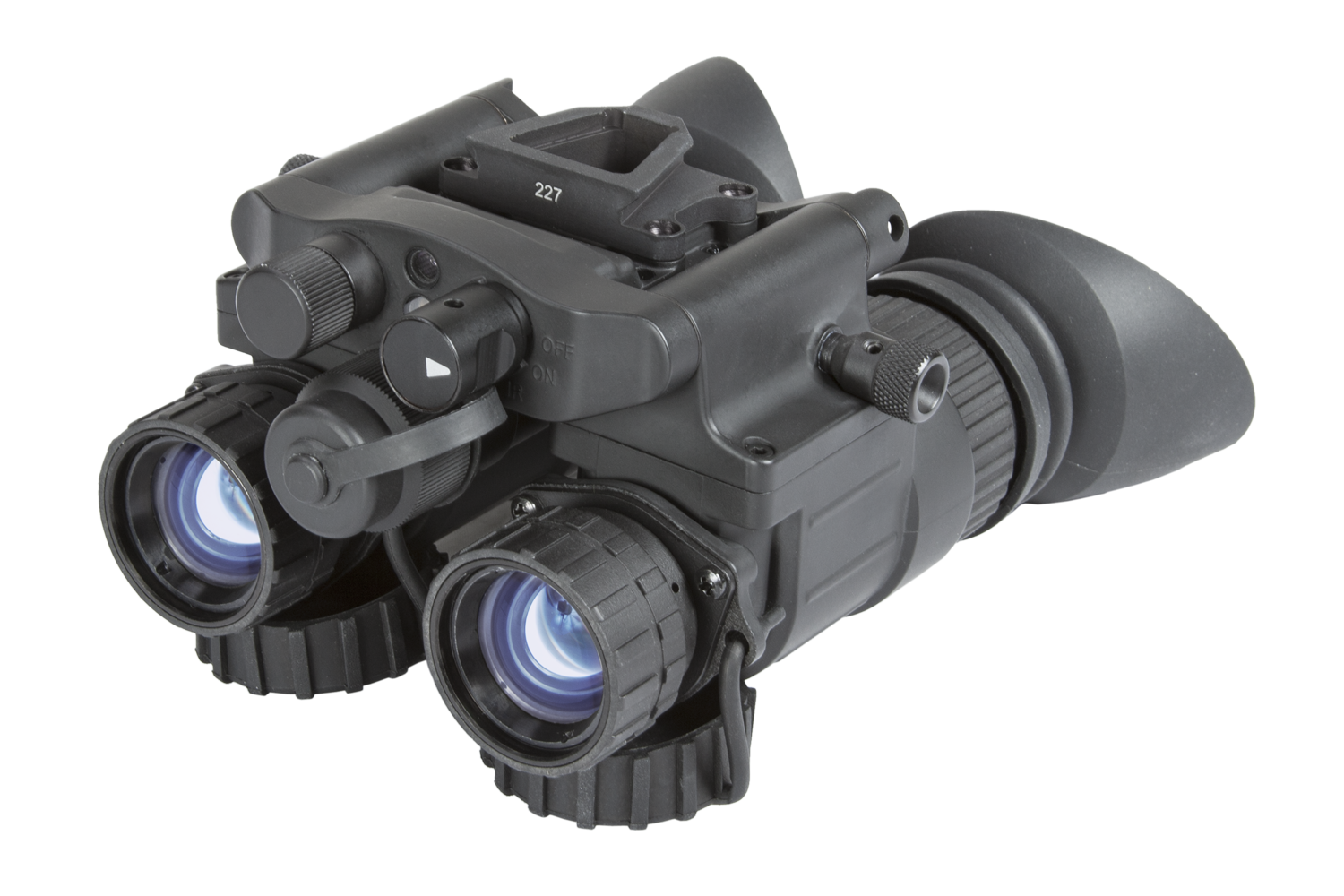
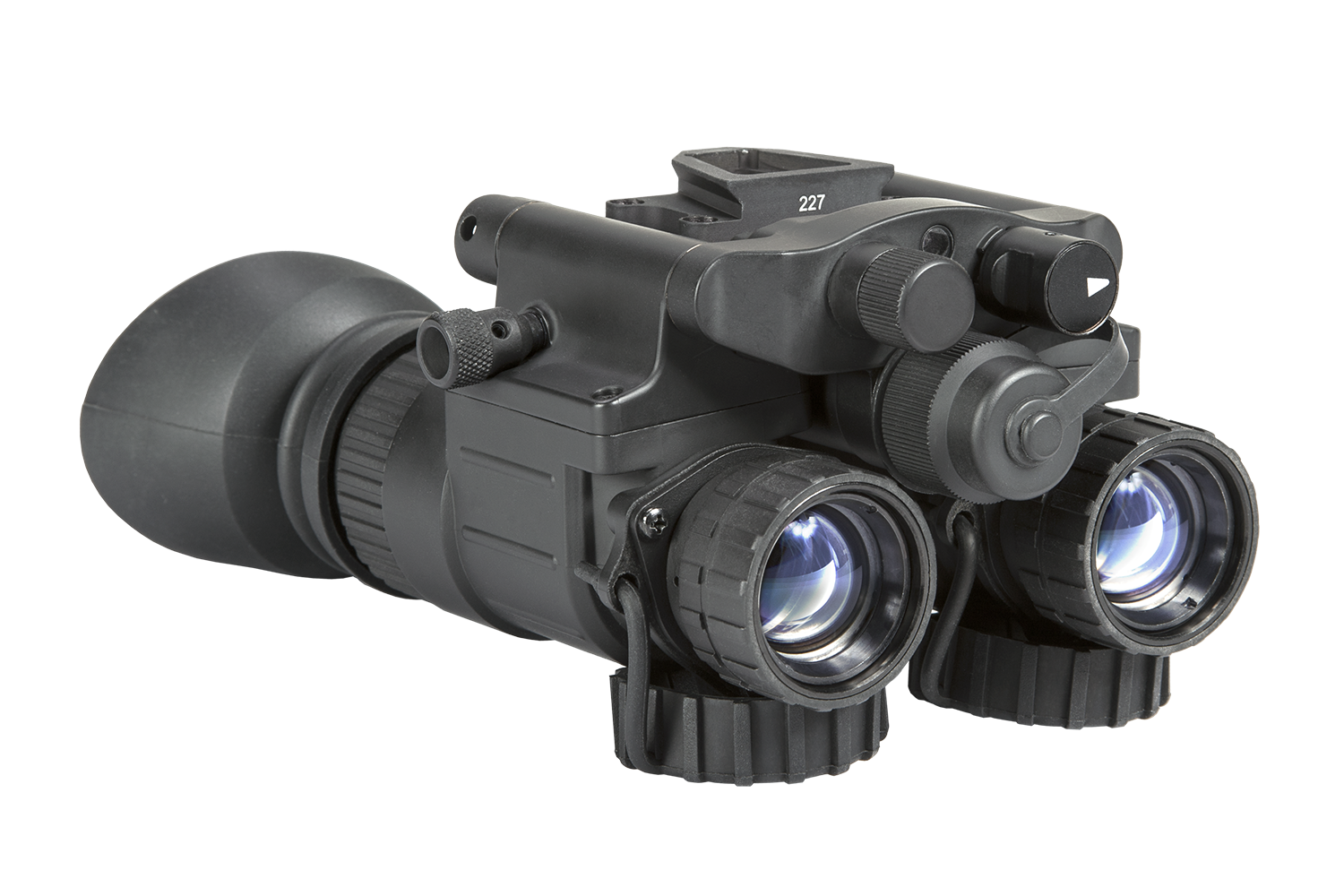
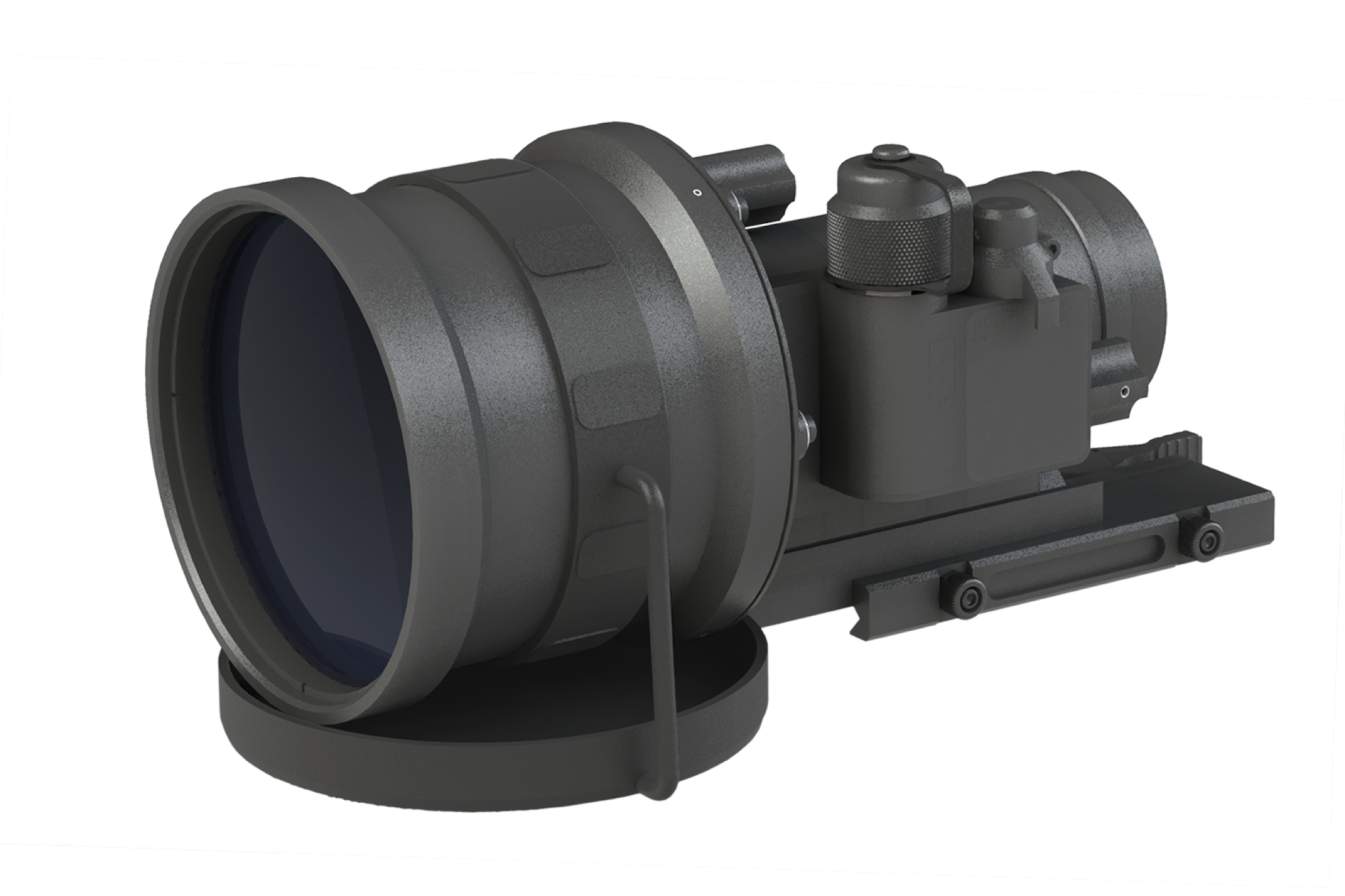
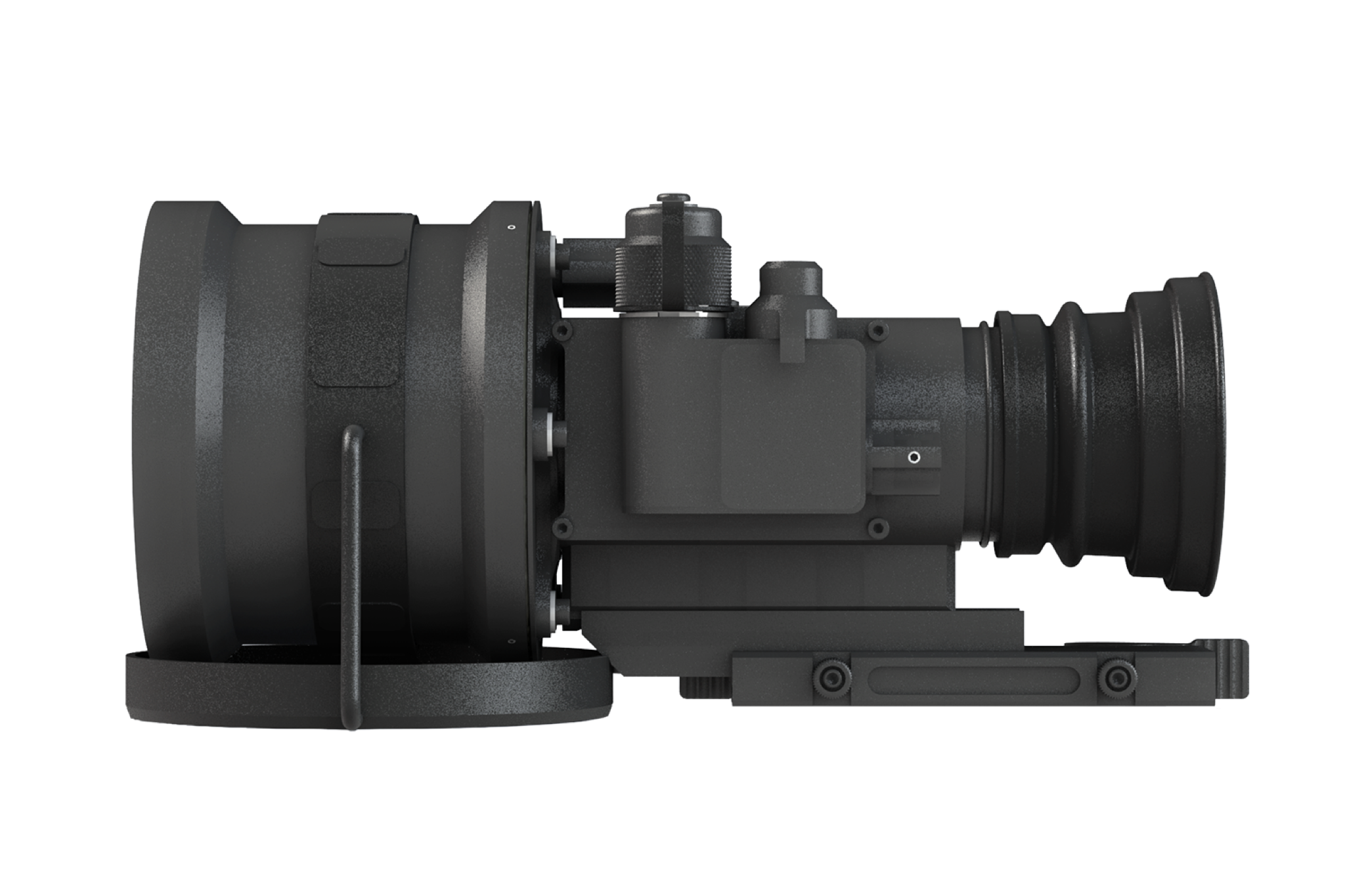
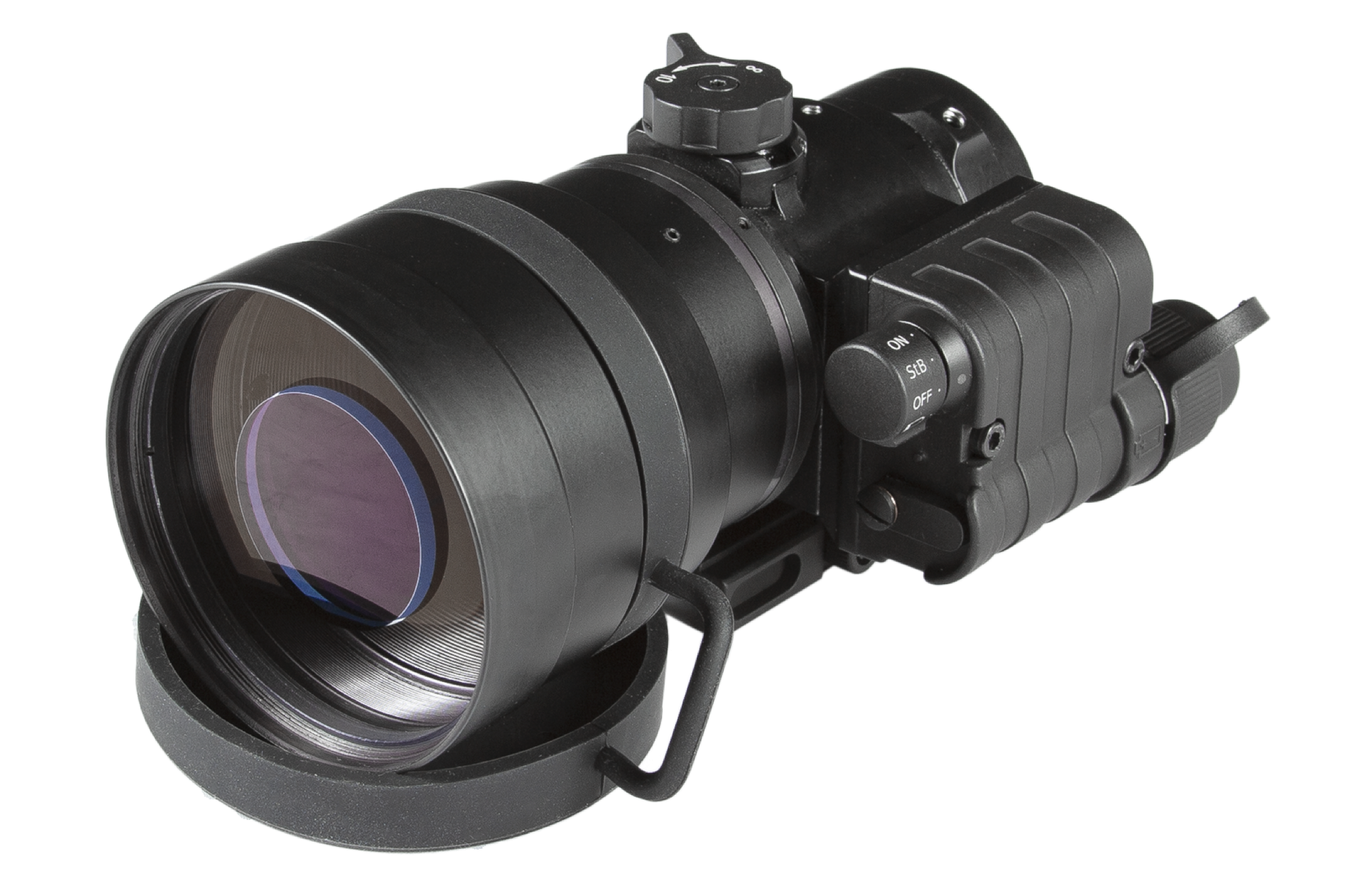
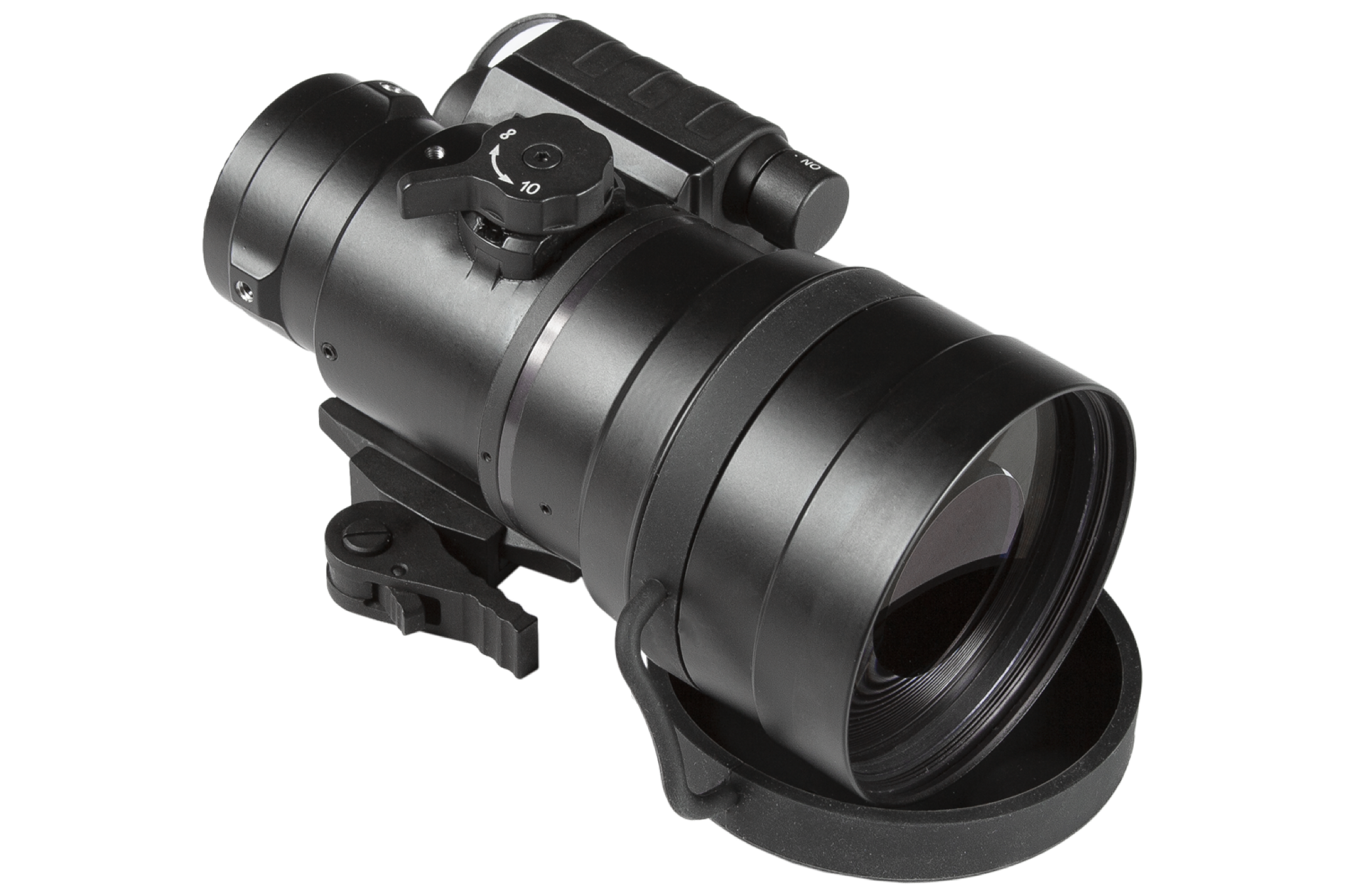
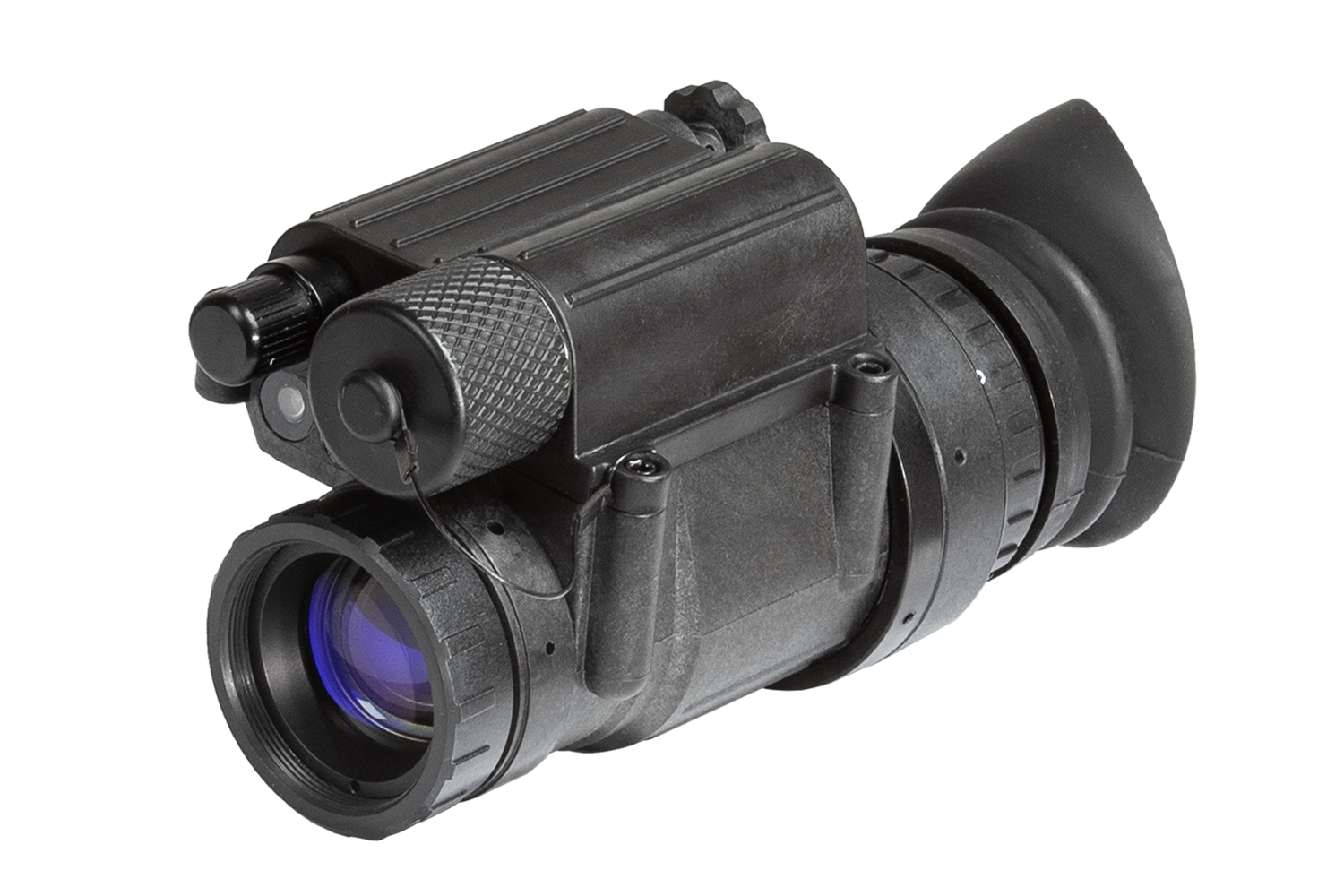
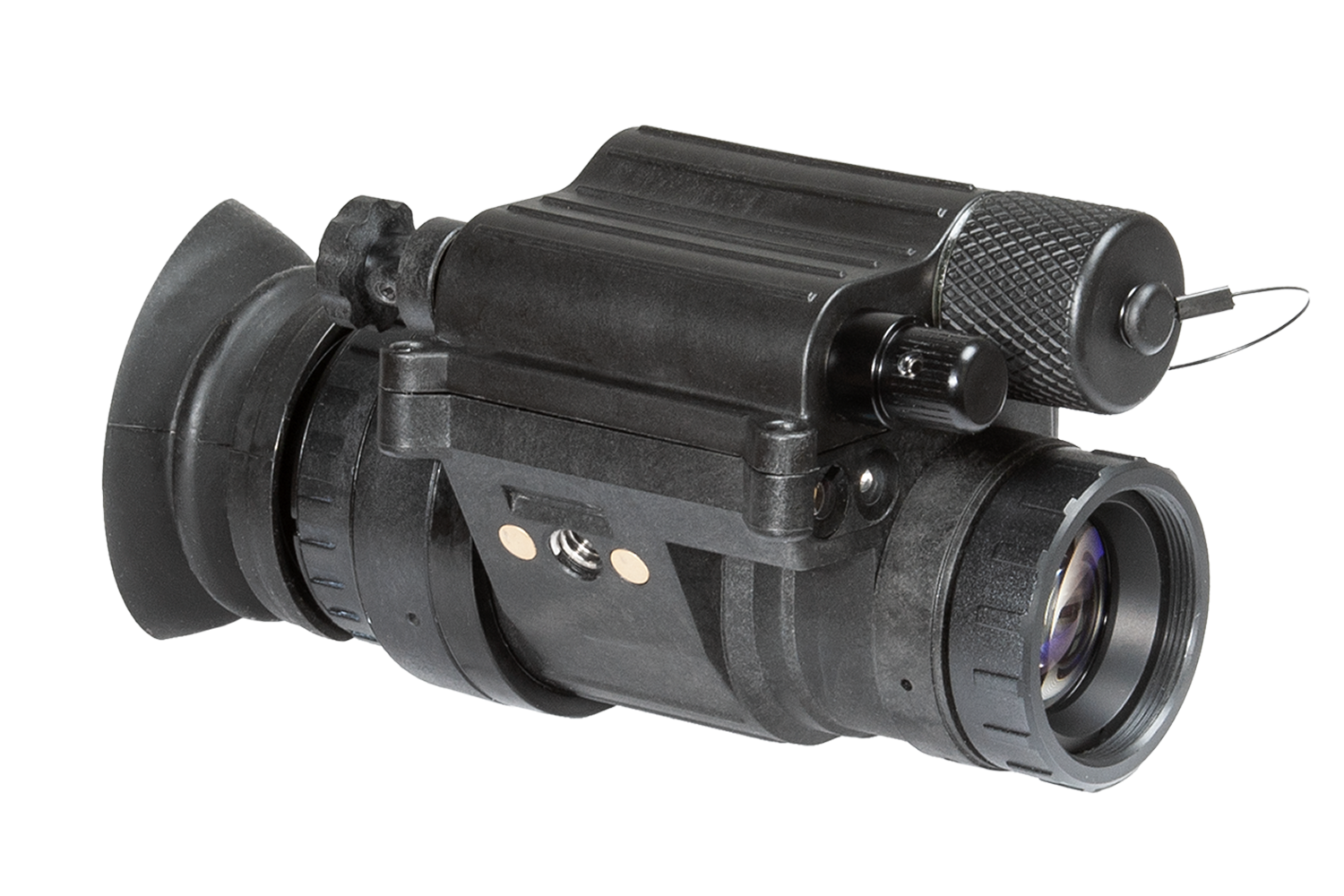
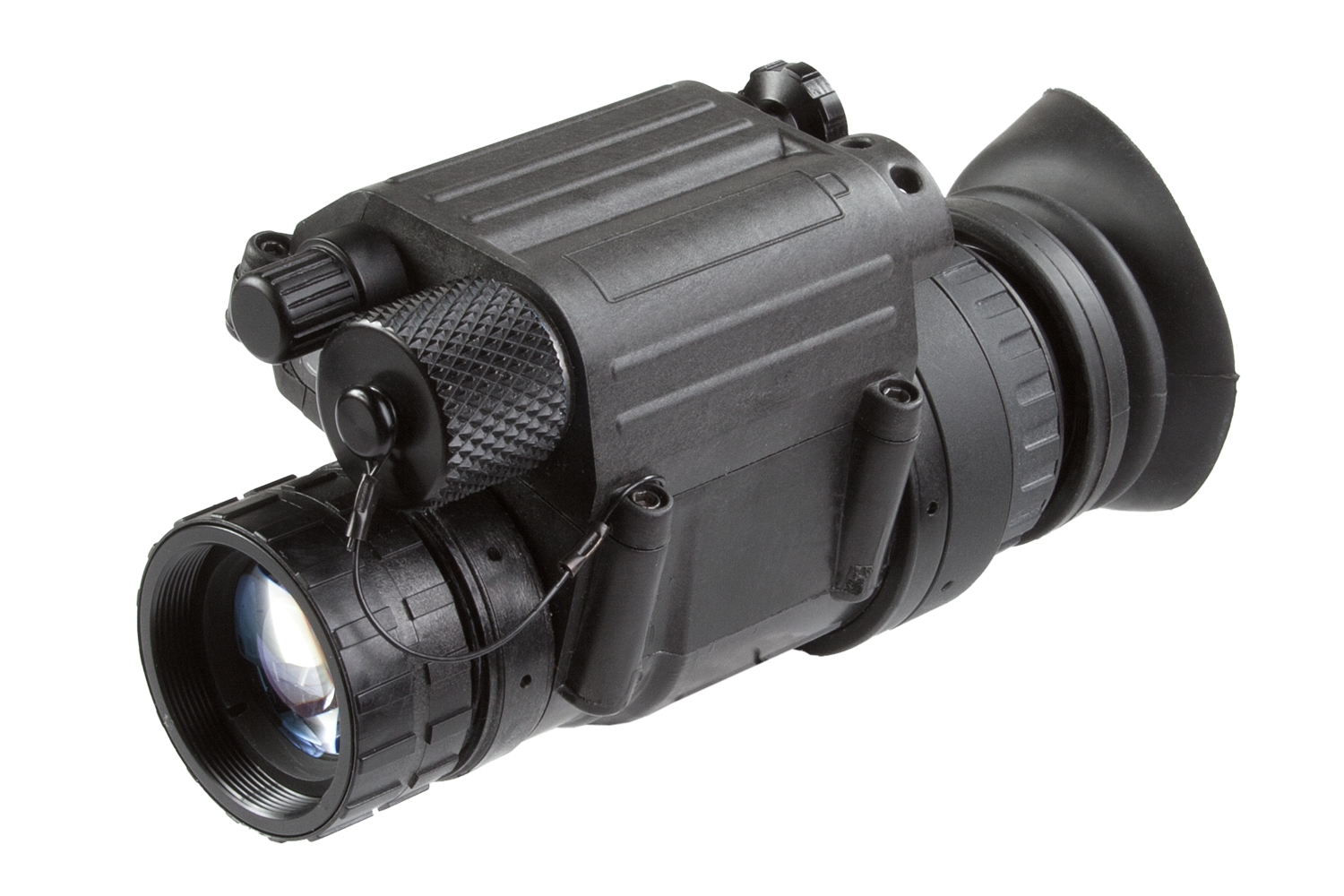
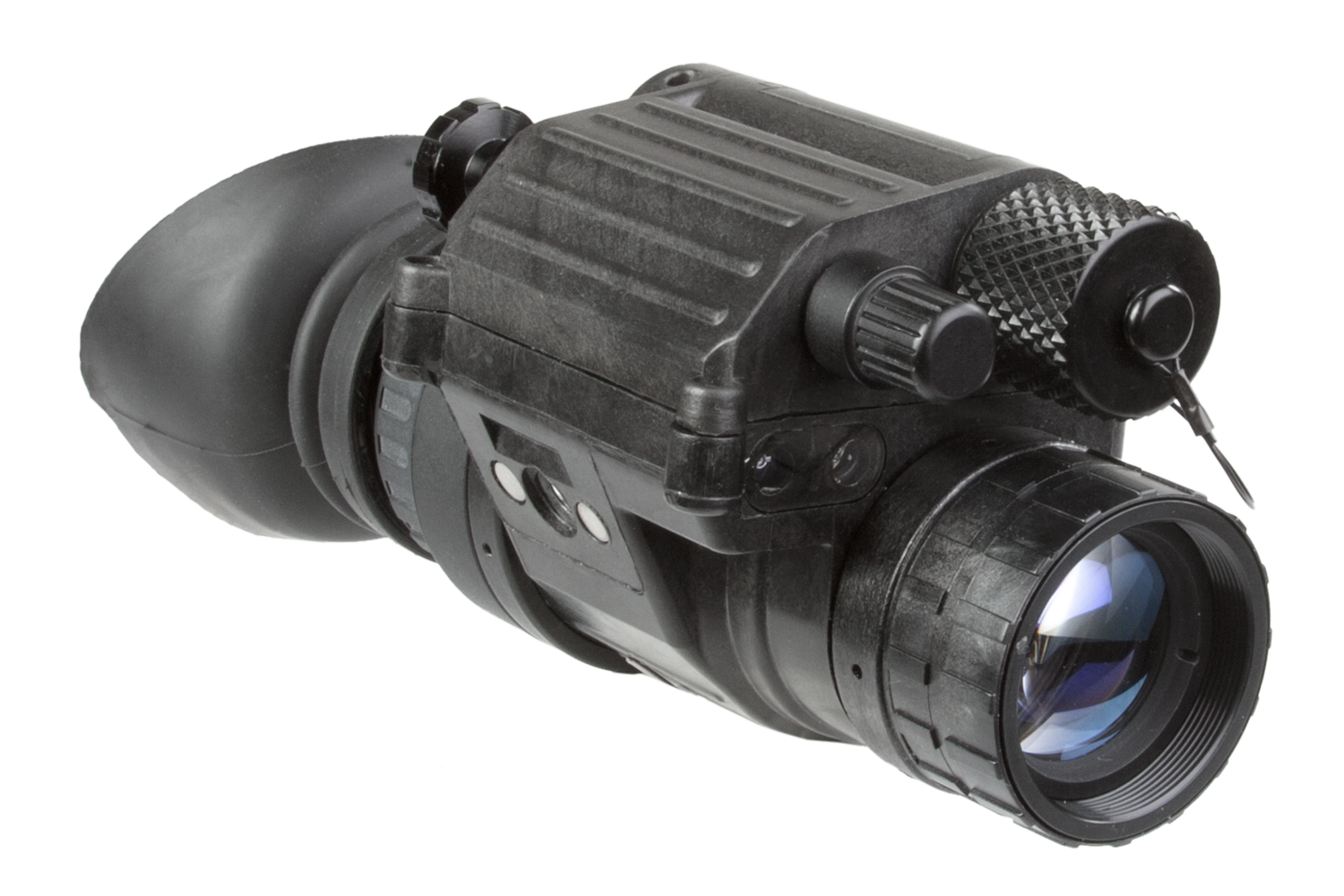
Choose the night vision format that matches how you move, observe, and shoot after dark. Goggles support hands-free movement, monoculars offer compact single-eye viewing, binoculars add comfortable two-eye observation, and clip-on systems mount in front of a daytime optic.
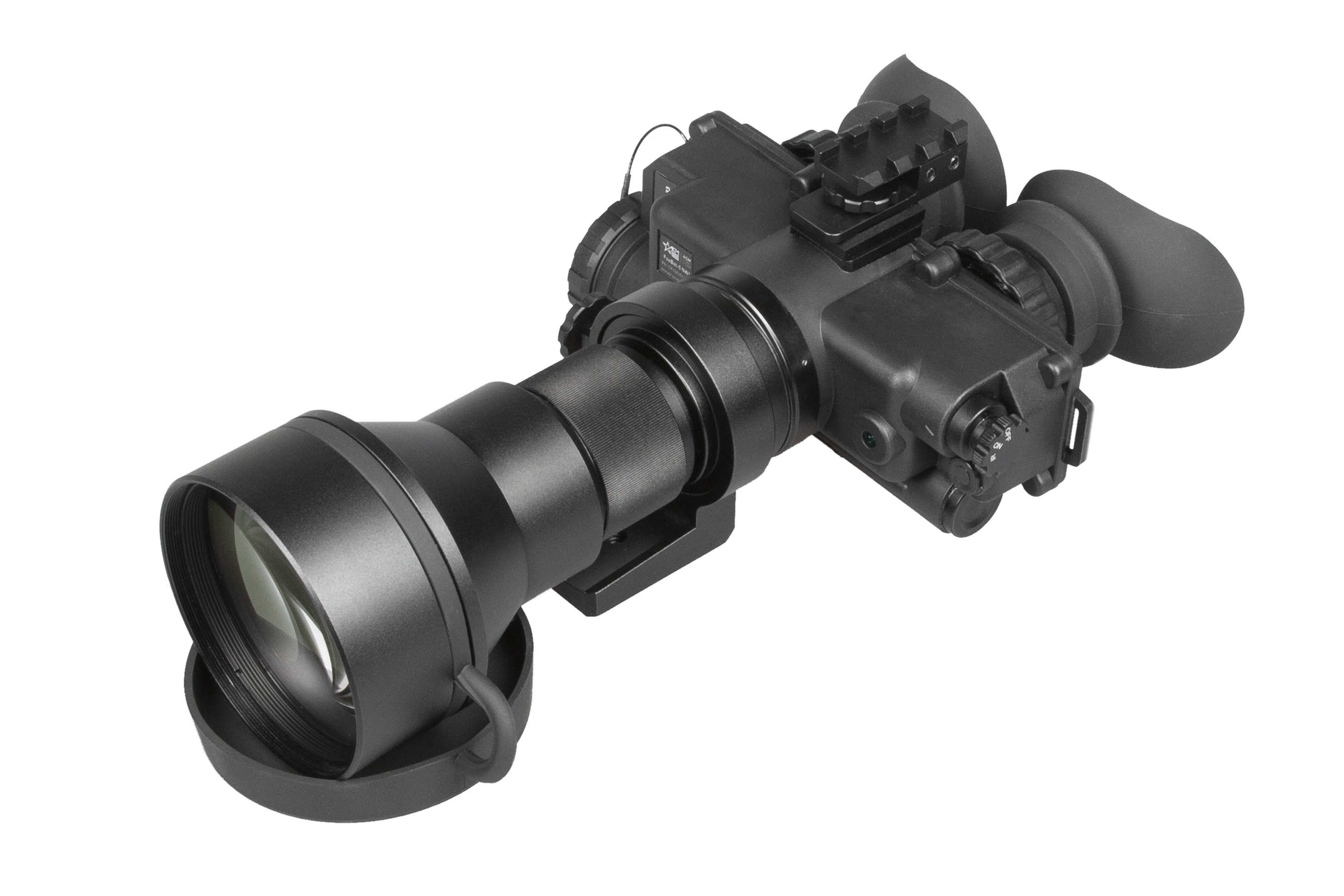
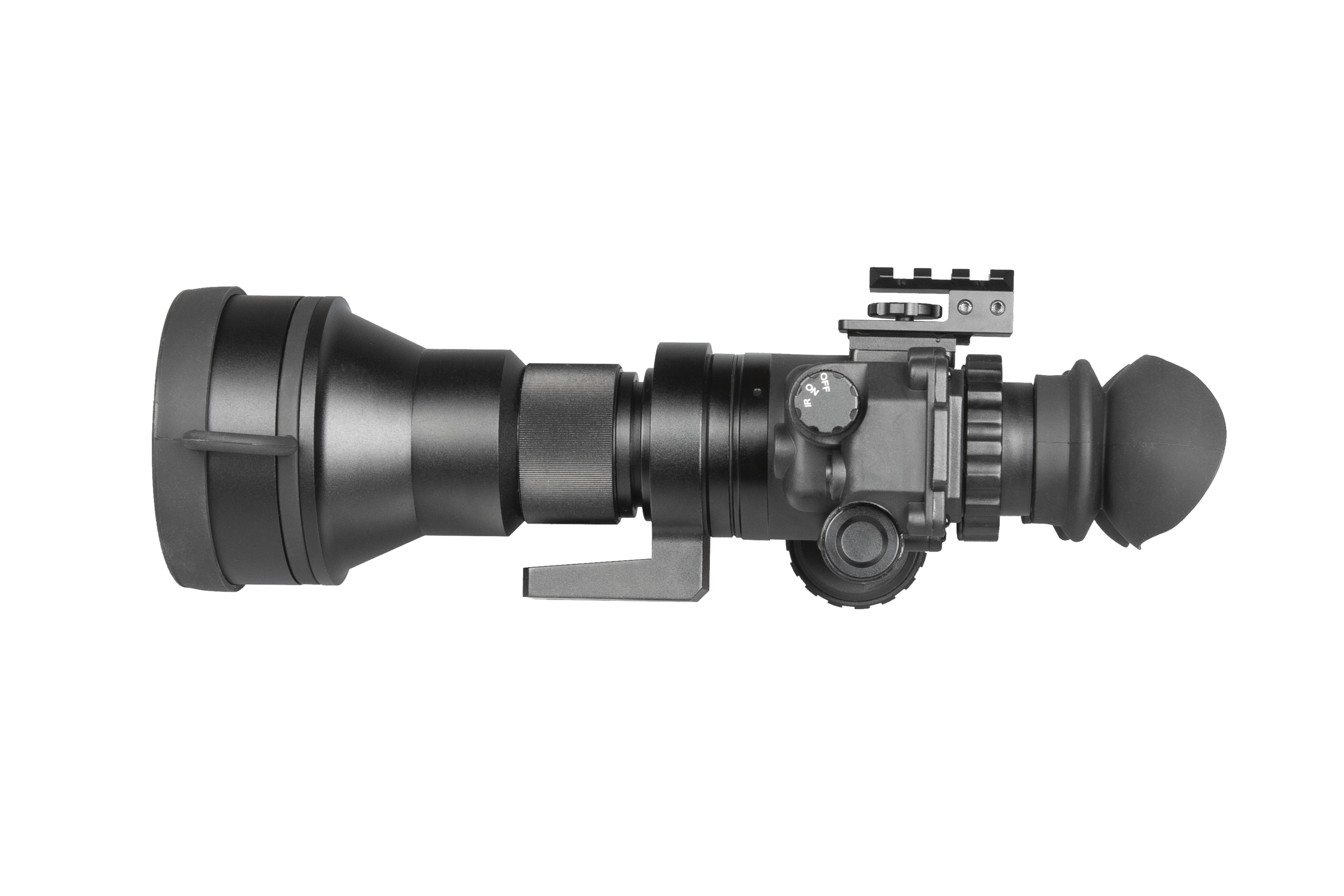
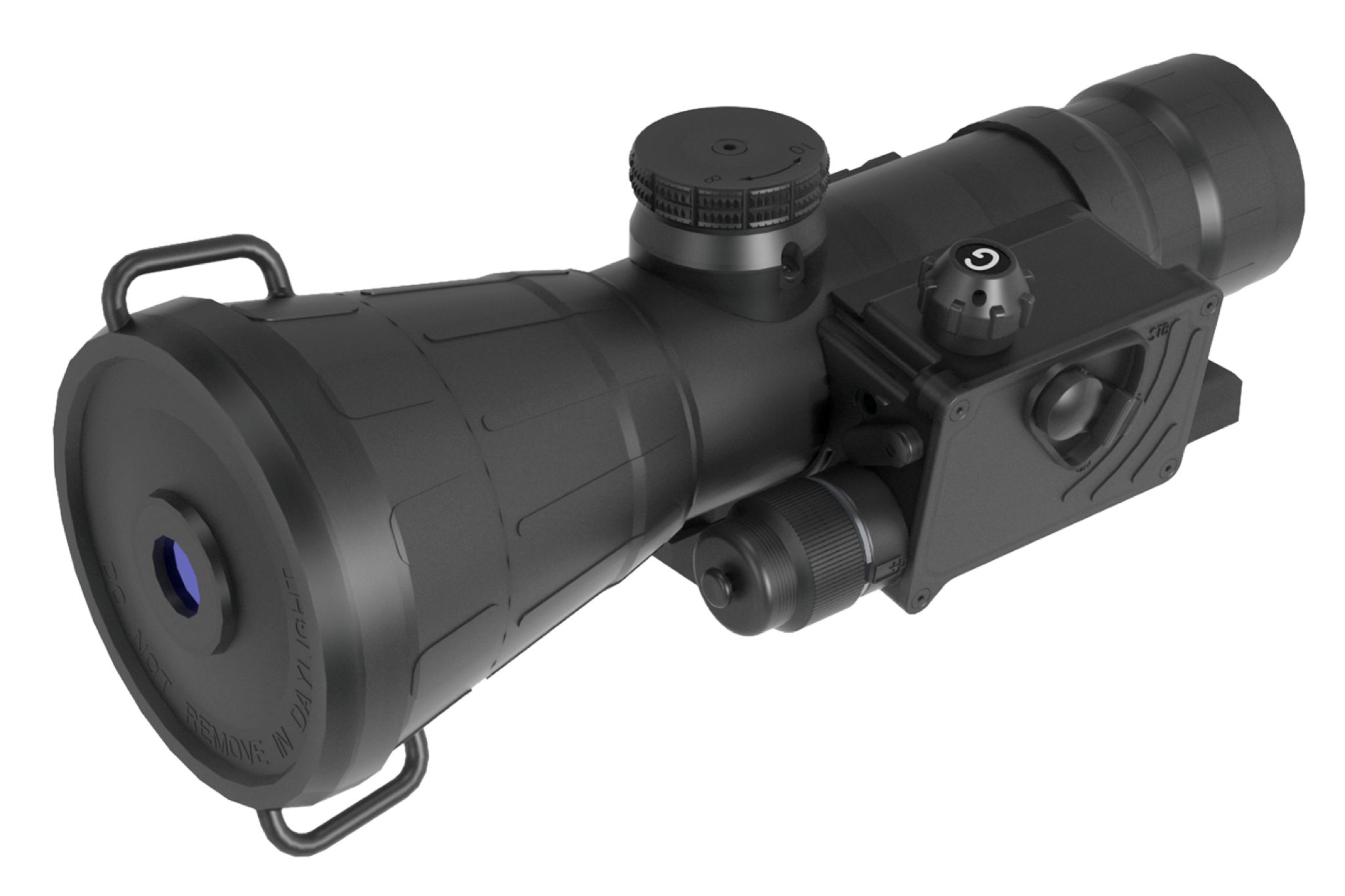
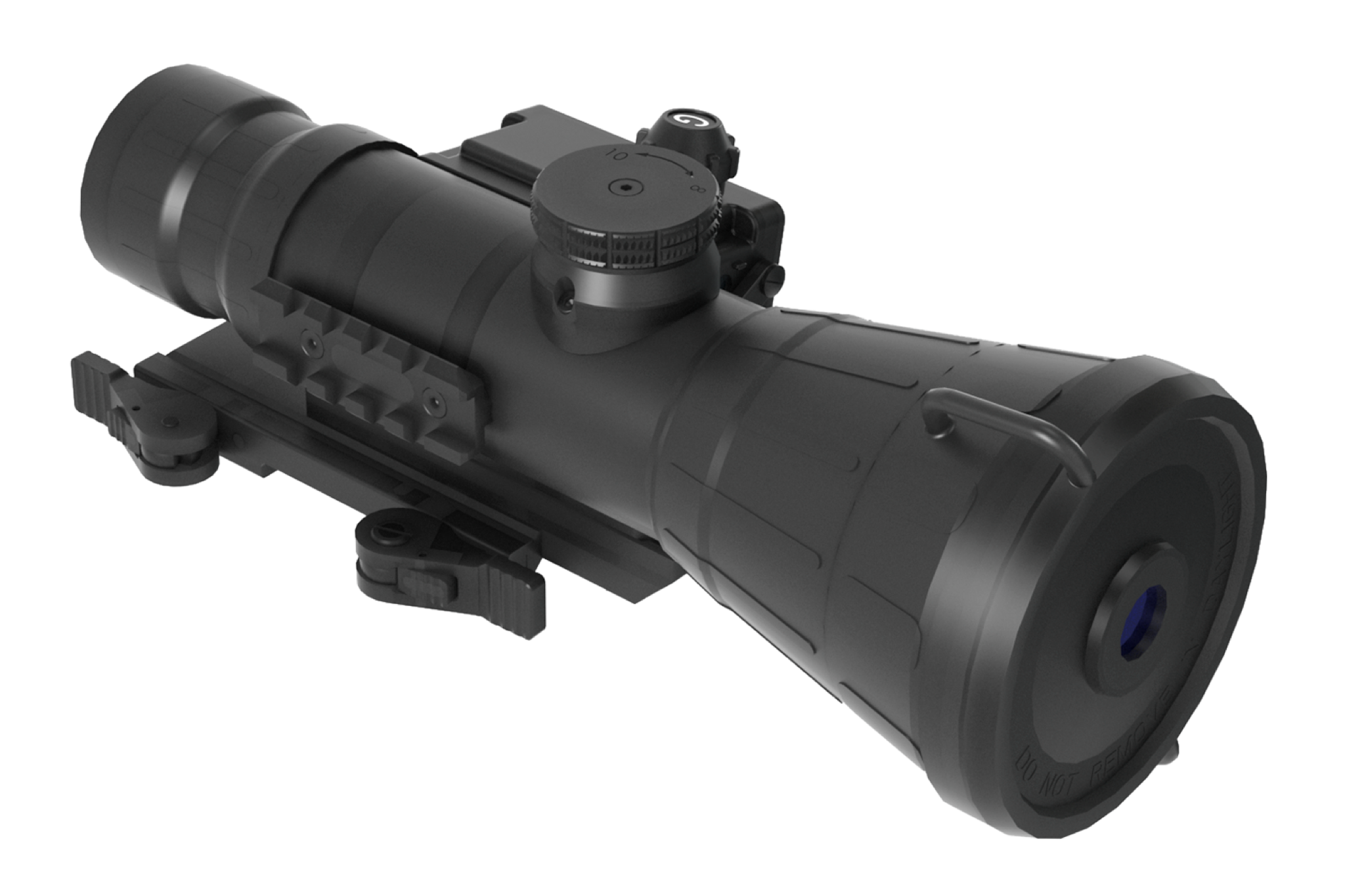
Choose by Nighttime Use
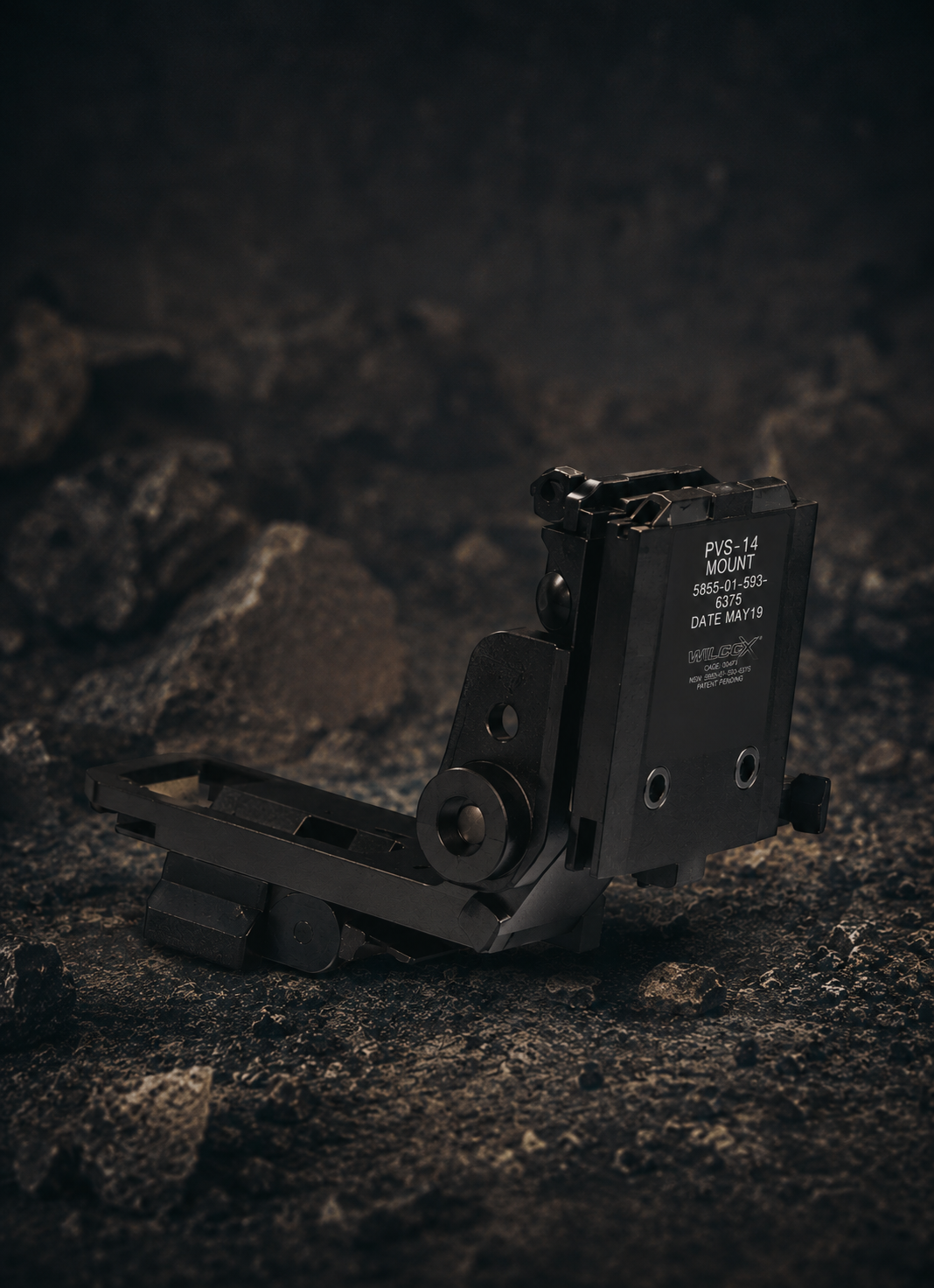
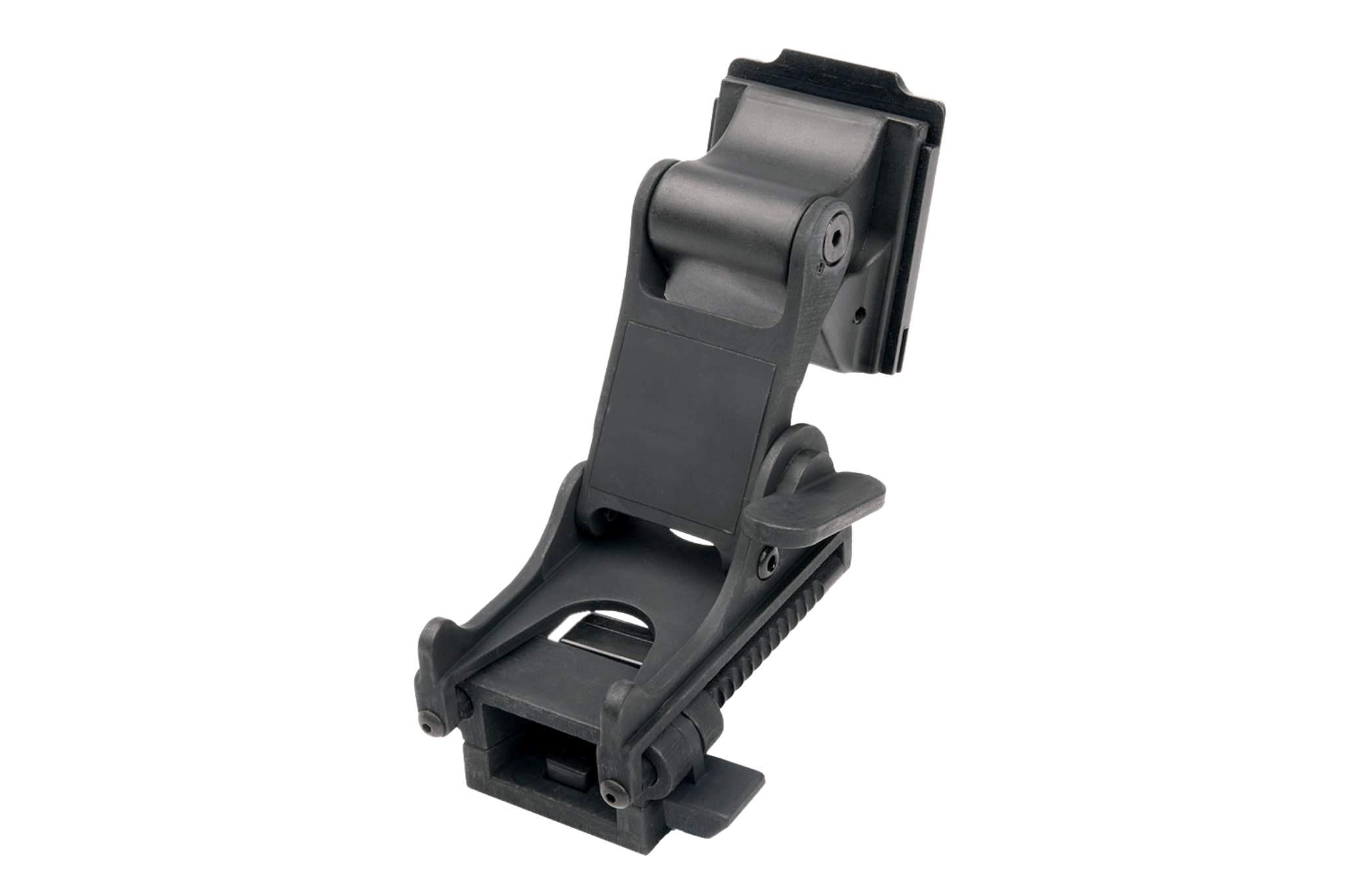
For hands-free movement, start with night vision goggles. For compact scanning and field carry, compare PVS-14 style monoculars. For rifle setups that keep a daytime optic in place, move to night vision clip-on systems. Accessories complete the setup with mounts, headgear, cases, and IR support.
What to Check Before You Buy
Review the device format, generation, phosphor option, mounting method, field of view, infrared compatibility, and intended use before choosing a night vision device. The right setup depends on whether the buyer needs mobility, scanning, helmet mounting, or rifle-mounted nighttime use.
Need help?
Night Vision FAQ
Choose goggles for hands-free movement, a monocular for compact field use, binoculars for comfortable two-eye observation, and a clip-on system when you want to add night vision capability in front of a daytime optic.
Yes. Goggles are built for hands-free use and are commonly head- or helmet-mounted. Monoculars are single-eye devices that are easier to carry and can be used handheld or with compatible mounting accessories.
Many AGM night vision devices are designed for nighttime field use, hunting support, observation, and professional applications. Always confirm the model, local regulations, and mounting requirements before use.
Night vision amplifies available light and often works with infrared illumination. Thermal imaging detects heat signatures. Buyers comparing both technologies should review AGM Thermal Optics separately before choosing.
Many setups require compatible mounts, headgear, cases, illuminators, or adapters. Review the device type first, then match accessories to the specific AGM model.