

Night Vision Goggles
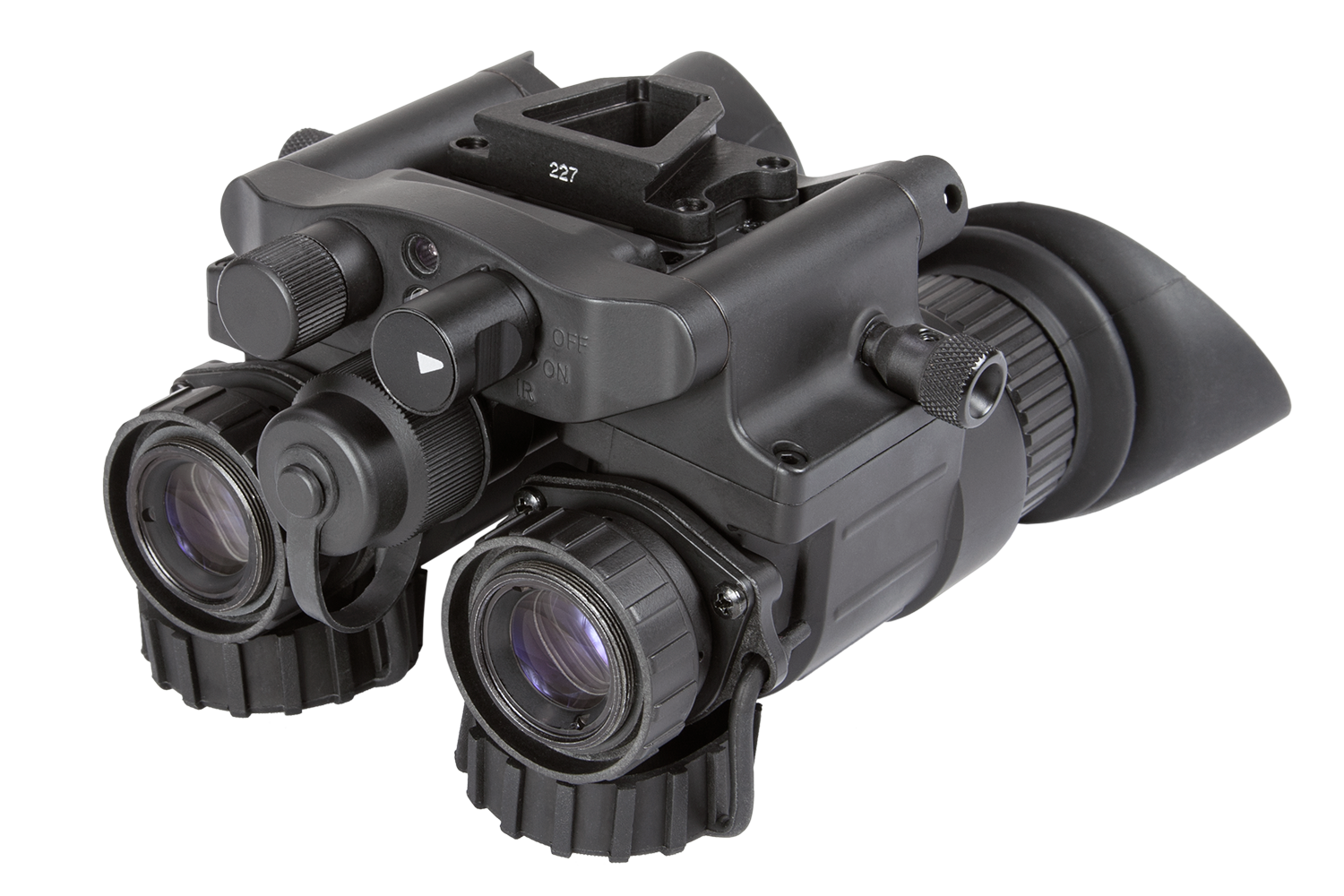
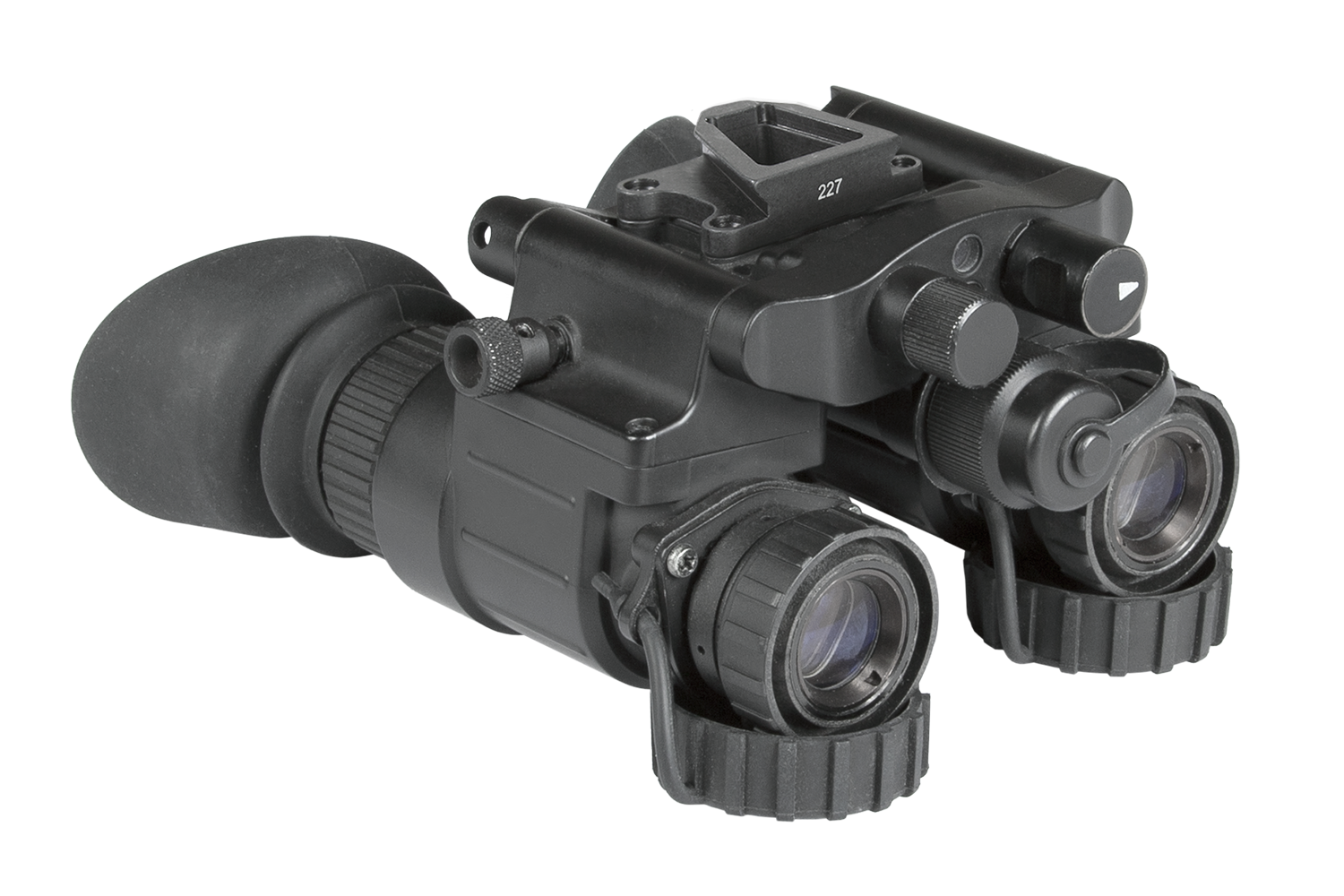
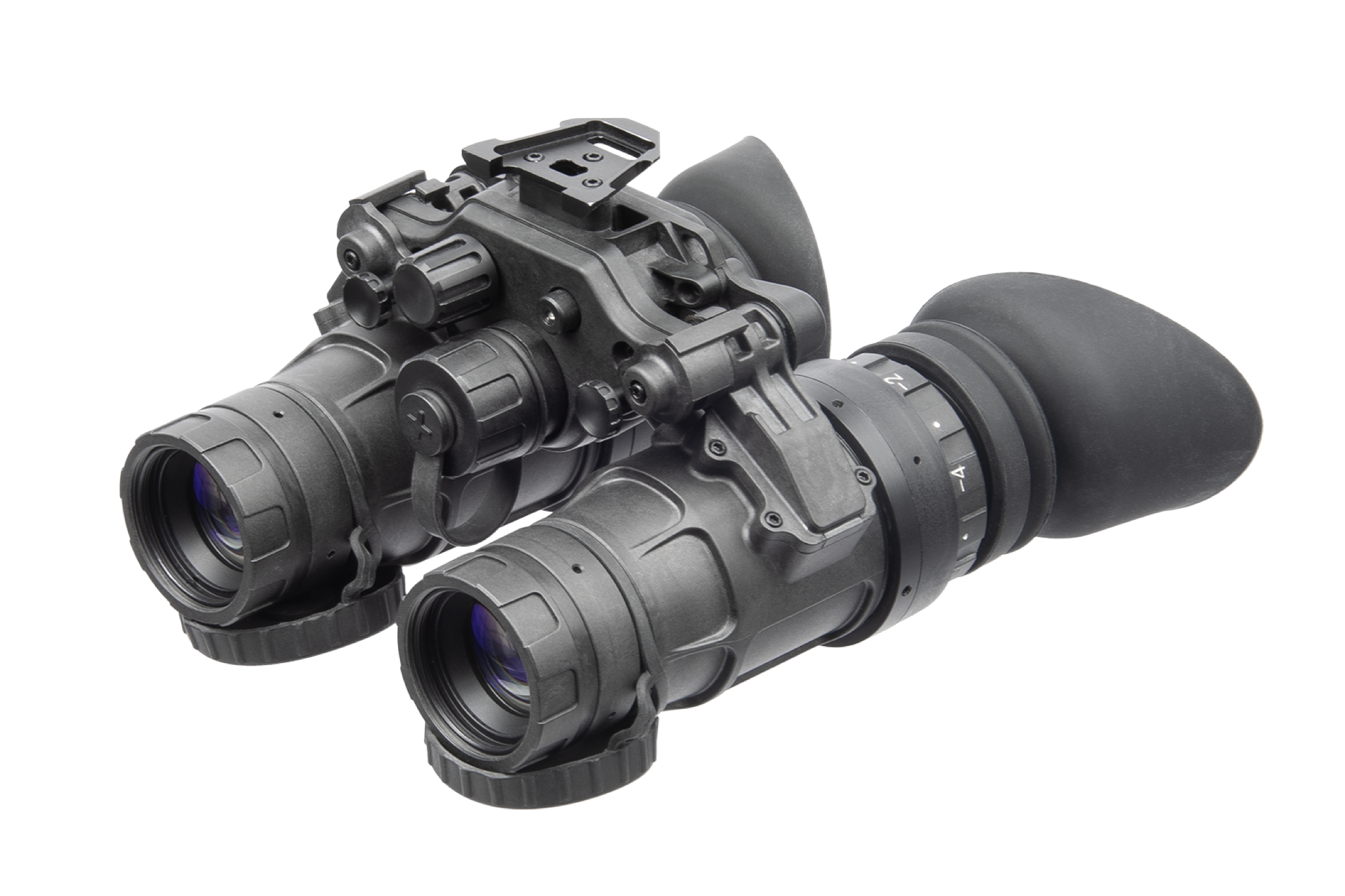
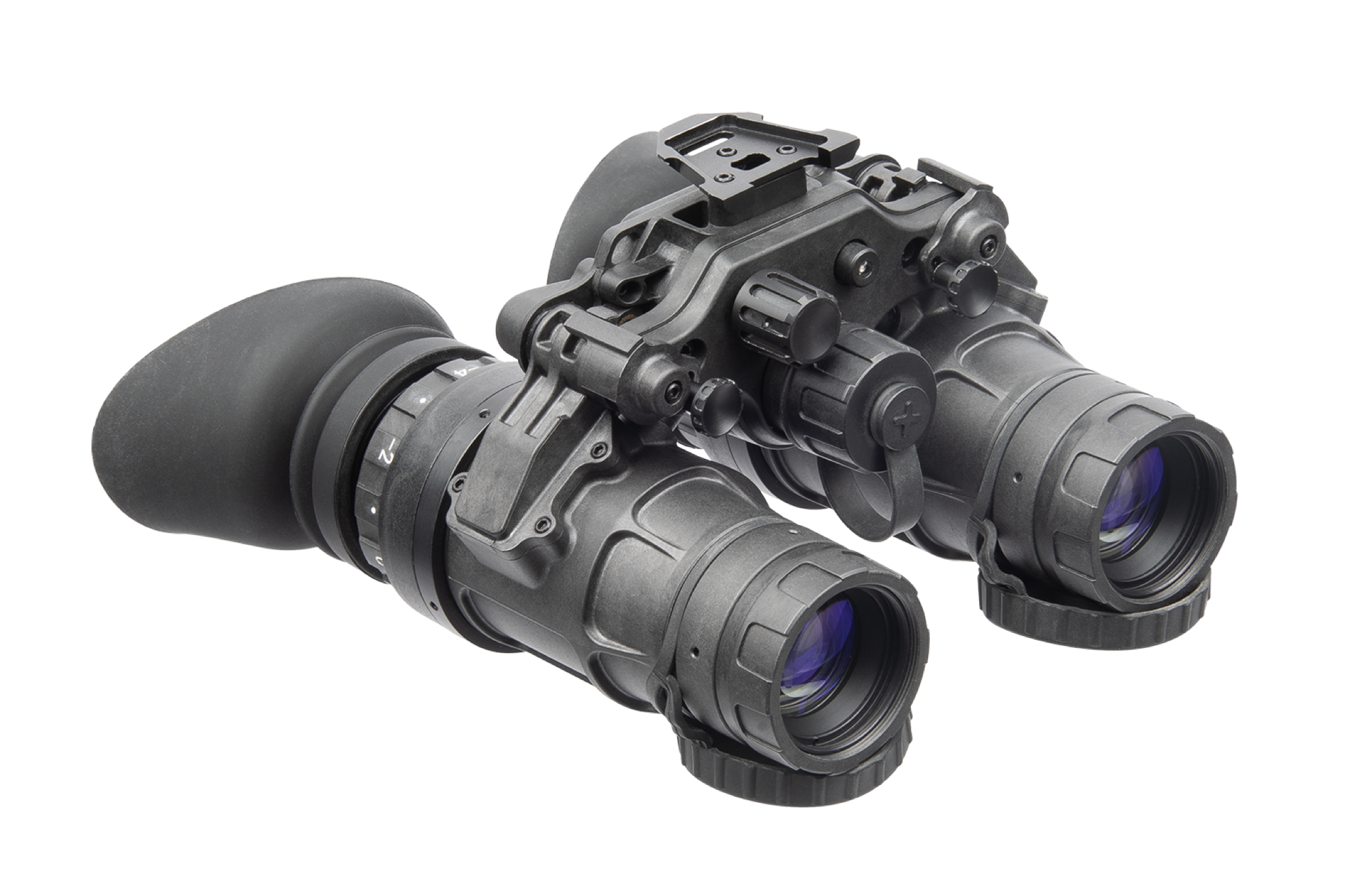
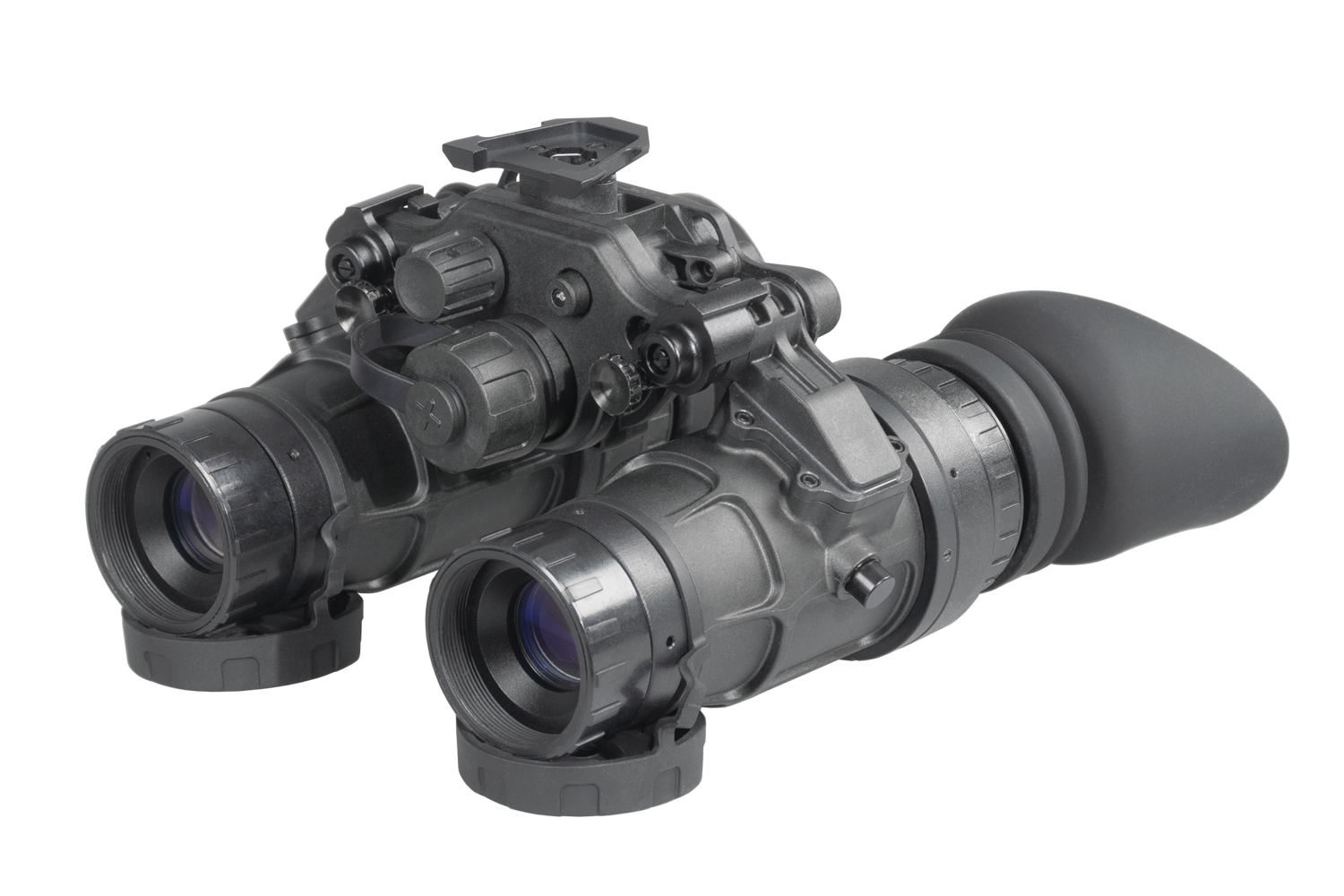
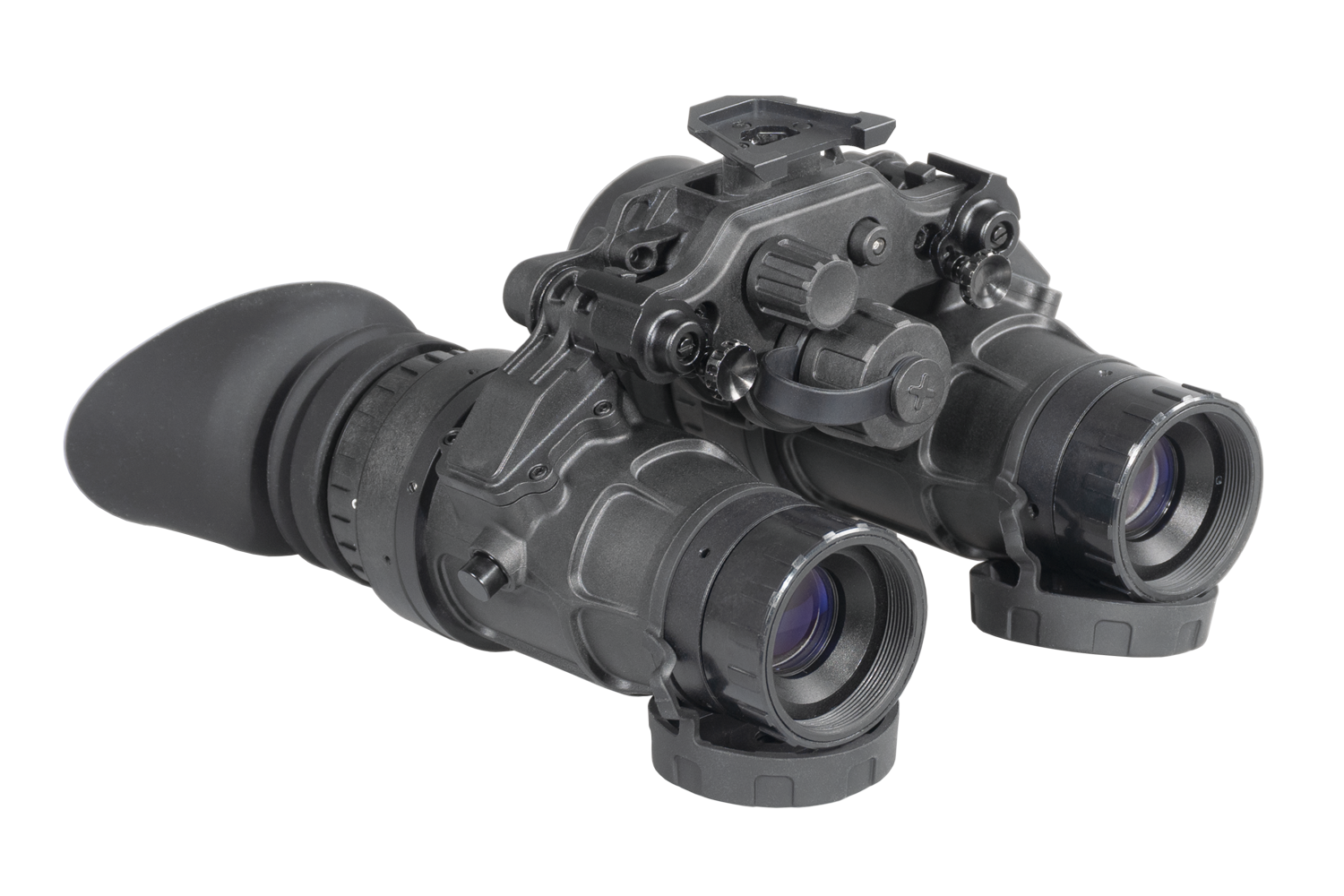
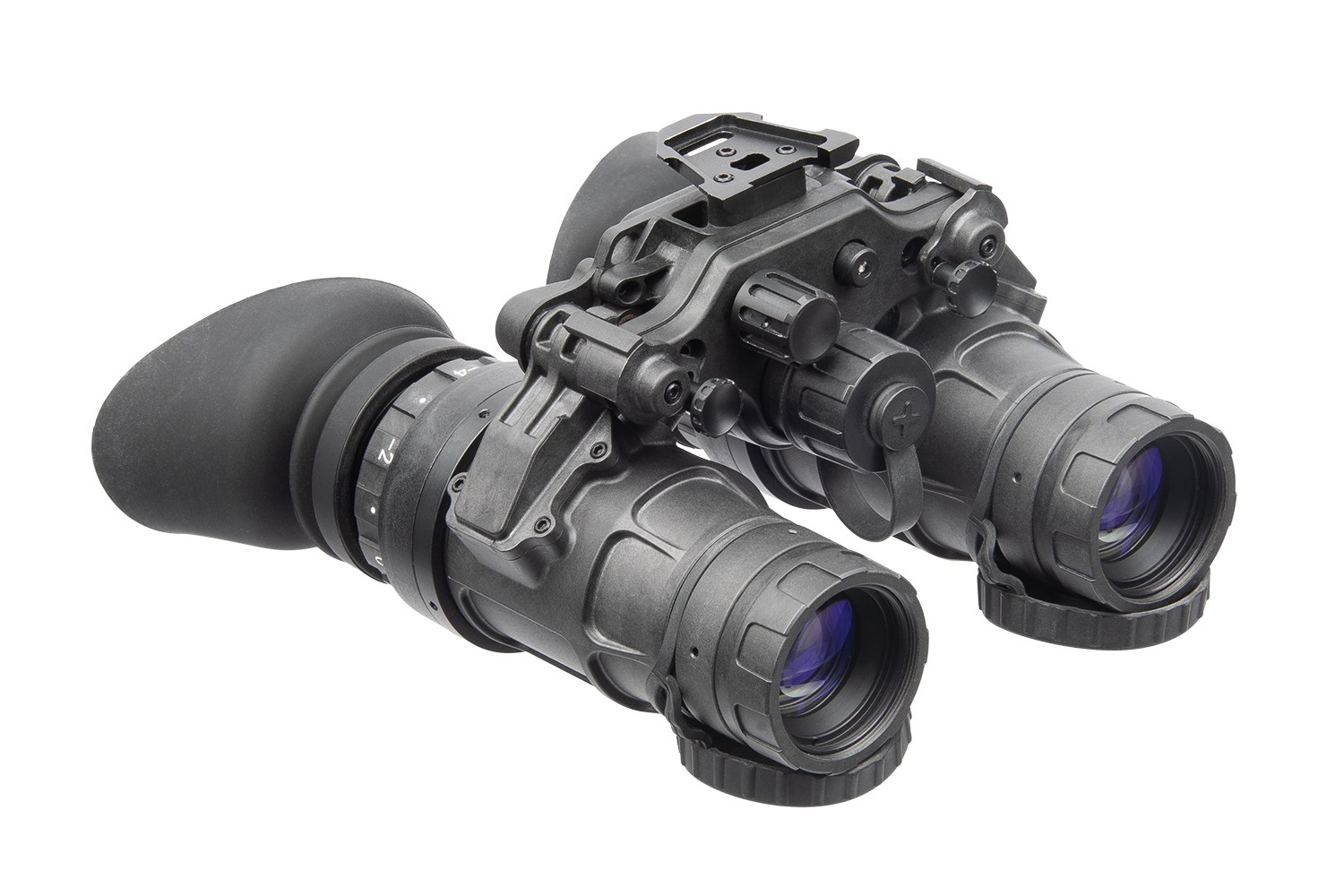
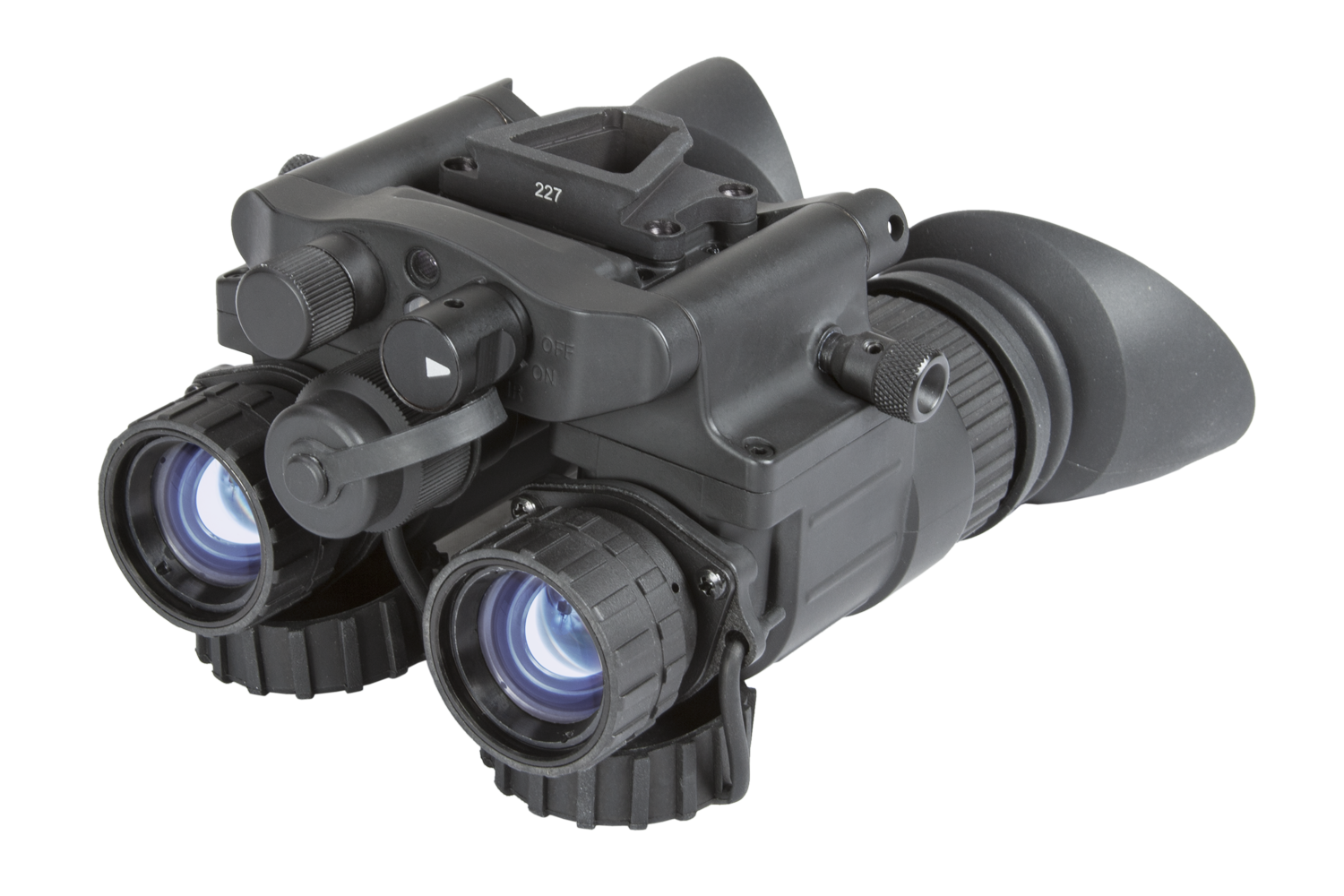
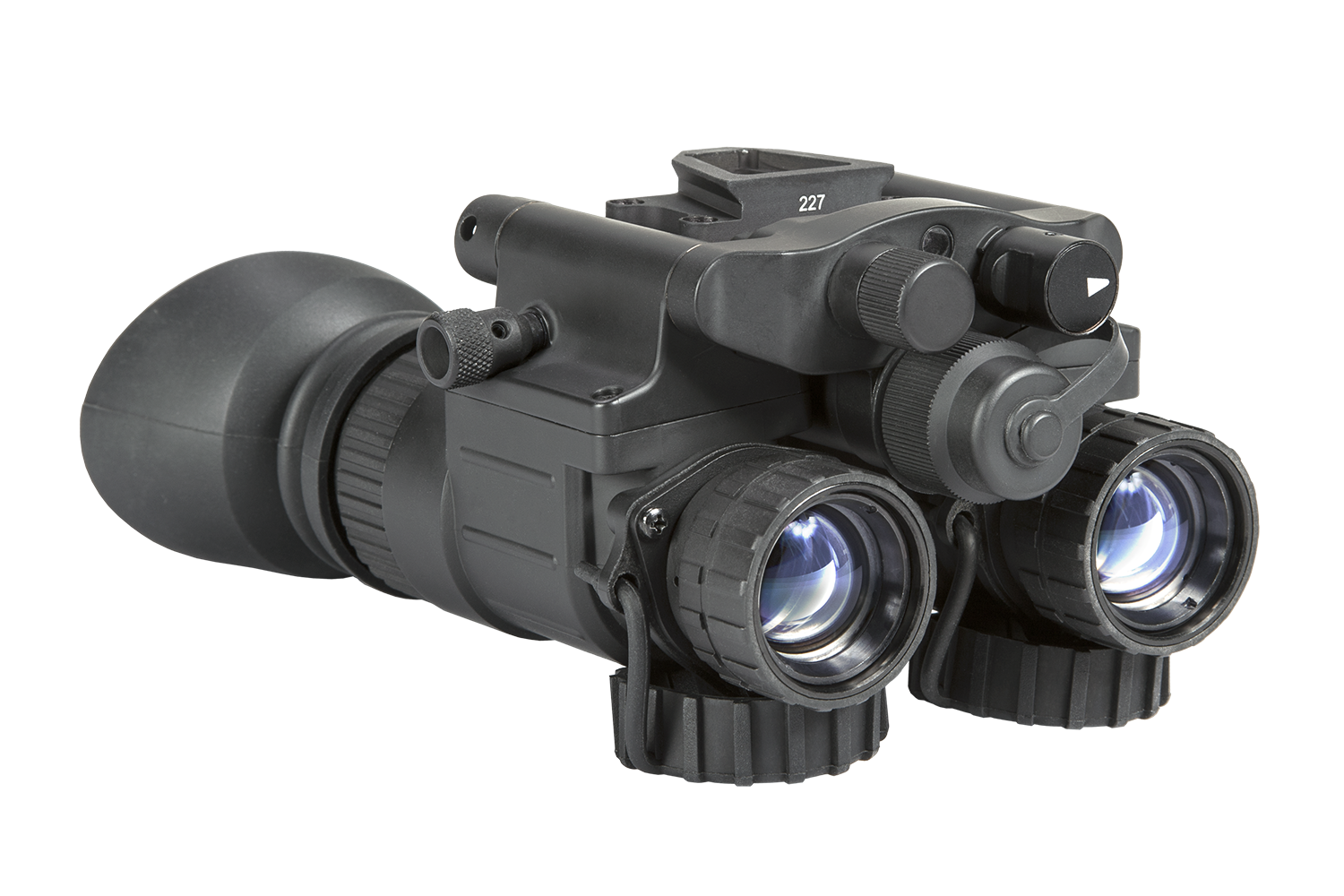
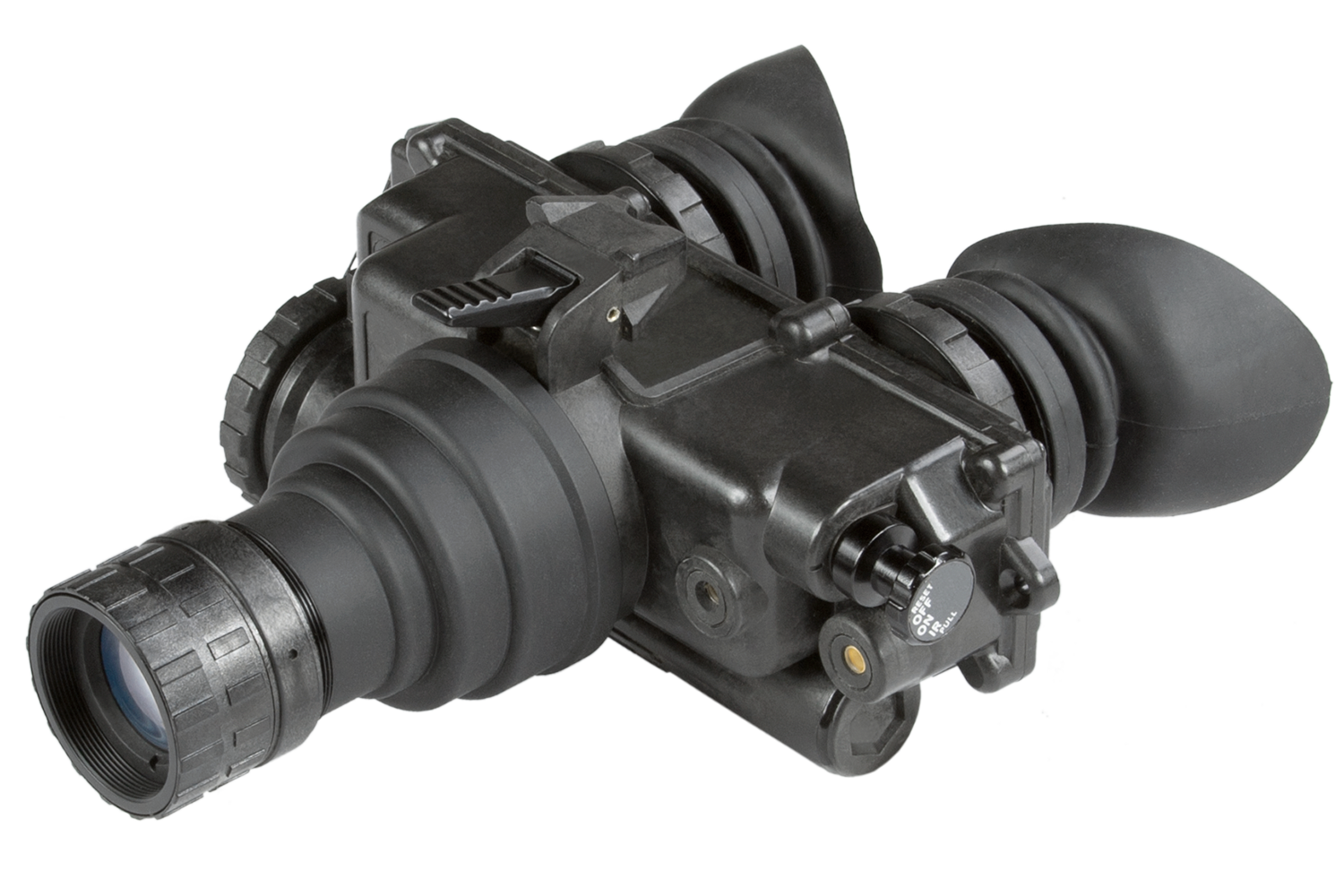
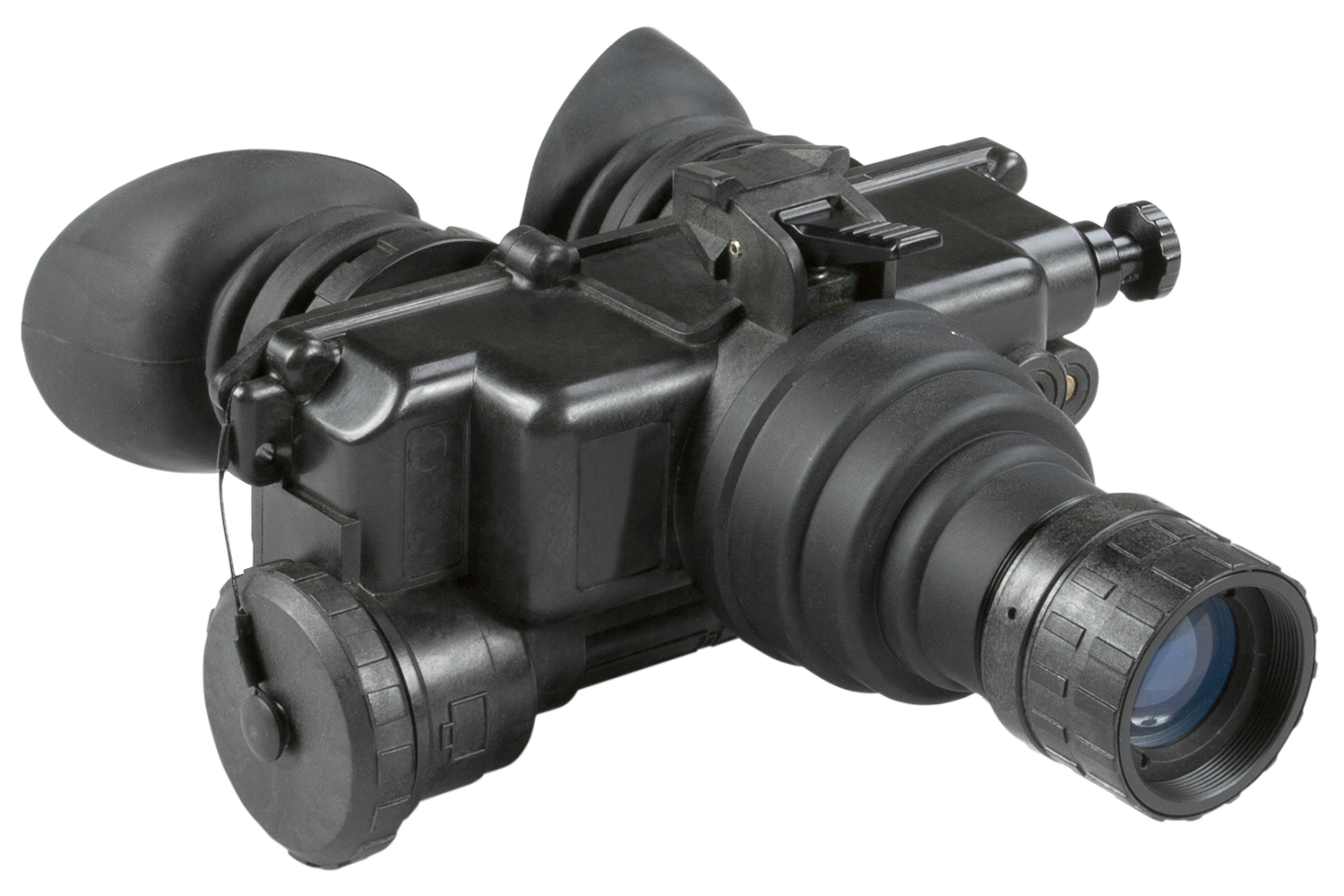
Choose AGM Night Vision Goggles by Field Use
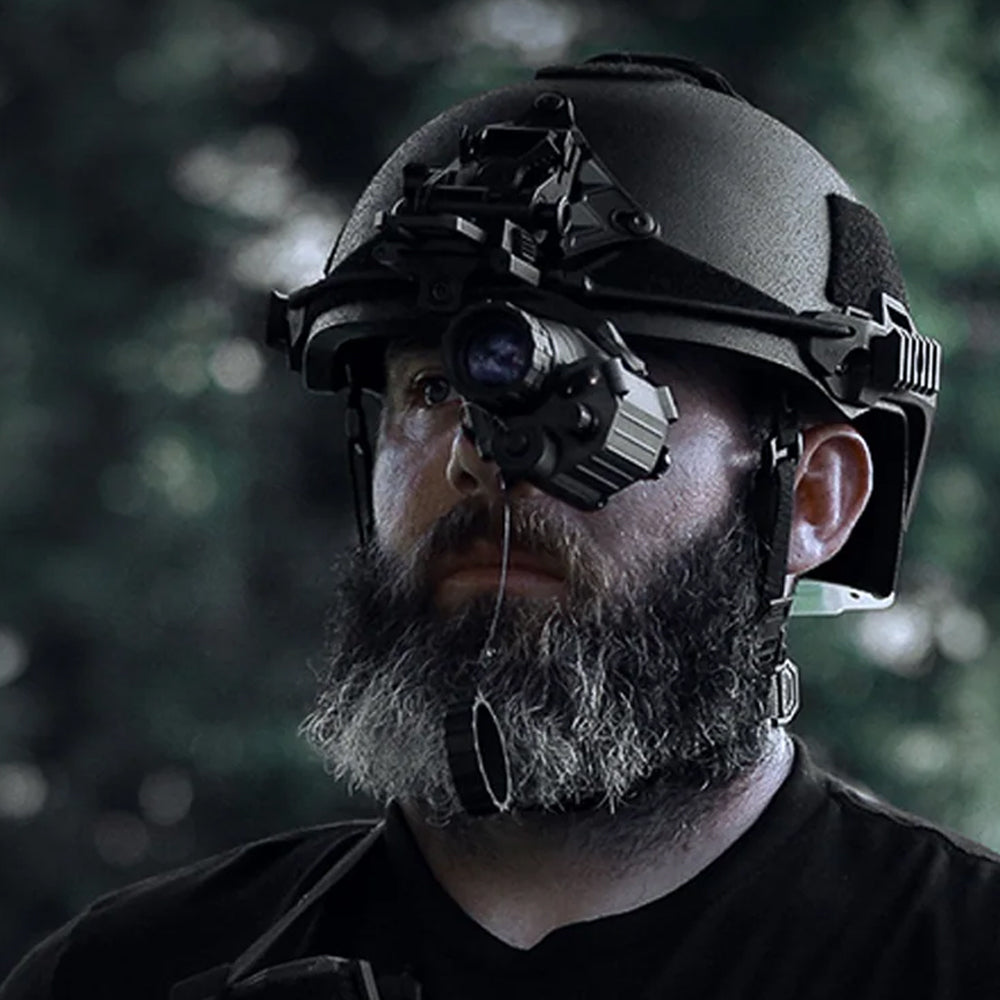
For hunting and property observation, choose night vision goggles when you need both hands free while moving, scanning, or navigating in low light. For tactical and professional use, prioritize helmet compatibility, rugged construction, tube configuration, and dependable hands-free performance. For longer observation sessions, compare dual-eye comfort, weight, and mounting options before choosing a system.
Hunting and Property Observation
Hands-free movement while scanning terrain, animals, buildings, or approaches in low light.
Tactical and Professional Use
Helmet-compatible viewing for demanding field work where movement and situational awareness matter.
Extended Observation
Compare comfort, weight, tube setup, and mounting options for longer sessions.

COMPARE AGM NIGHT VISION GOGGLE FAMILIES
AGM night vision goggles include rugged systems for users who need hands-free nighttime visibility. Compare UNVG, NVG-40, NVG-50, and PVS-7 style options by tube configuration, field comfort, helmet-mounted use, and whether the setup is intended for professional, hunting, or general observation needs.
Helmet-Mounted Night Vision: What to Compare
Before choosing night vision goggles, compare helmet or headgear compatibility, interpupillary comfort, tube type, phosphor color, field of view, battery setup, weight, and the accessories required for a complete hands-free system. A goggle can be the right choice when movement and situational awareness matter more than rifle-mounted aiming or handheld scanning.
- Helmet/Headgear Compatibility
Confirm the mounting path before purchase. - Tube and Phosphor Choice
Compare available image-intensifier and viewing preferences. - Weight and Comfort
Important for movement and longer field sessions. - Accessories
Confirm mount, shroud, headgear, lens protection, and replacement parts where needed.
How to Use Night Vision Goggles in the Field
Night vision goggles are selected when hands-free viewing and movement are more important than handheld scanning or rifle-mounted aiming. They can support navigation, observation, security work, hunting support, and professional nighttime tasks when paired with the correct mounting setup and compatible accessories.
- Hands-free Movement
- Navigation and Observation
- Hunting Support
- Security and Professional Use
Night Vision Goggles vs Monoculars vs Clip-Ons
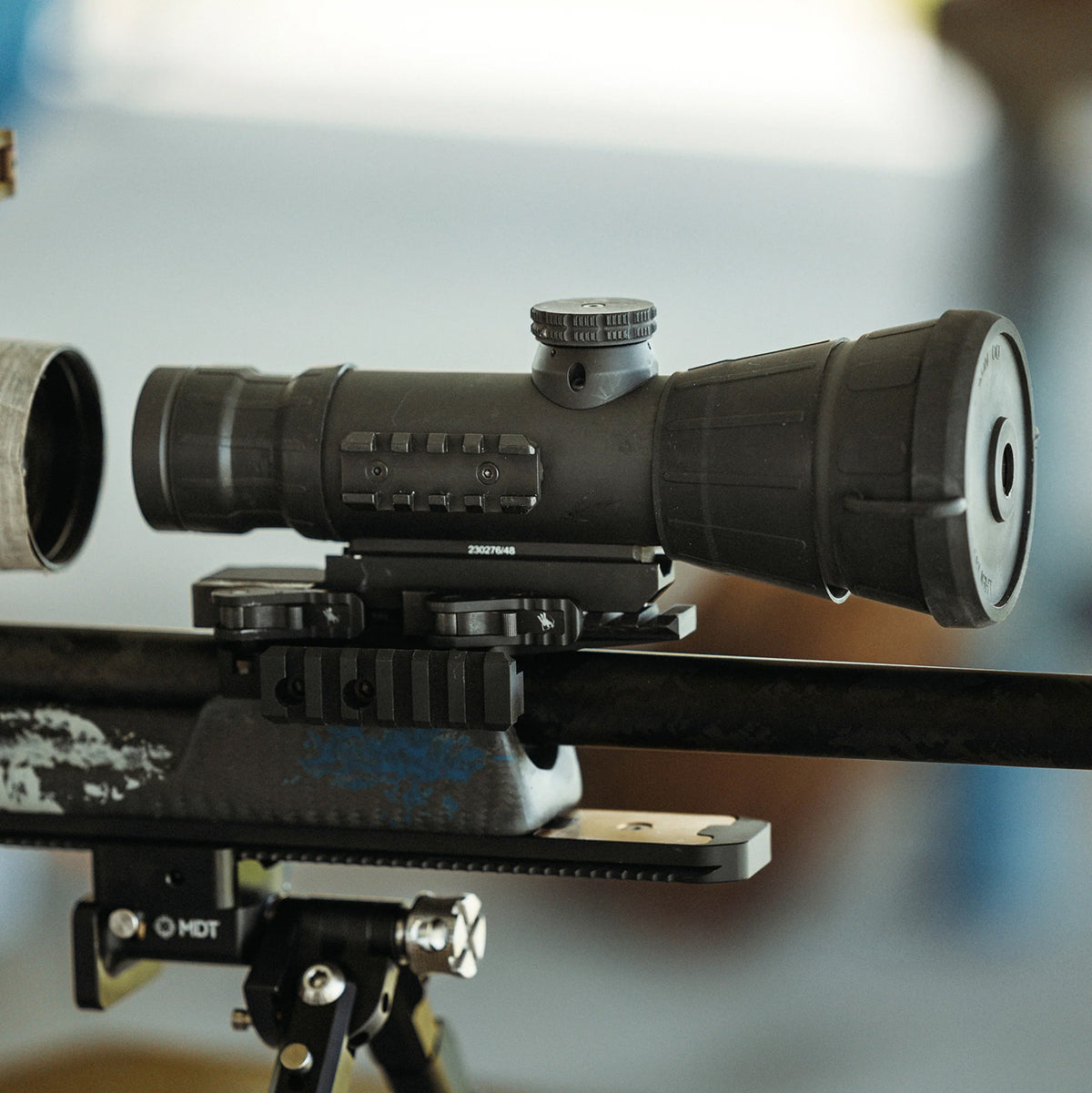
Choose night vision goggles for hands-free movement and extended viewing. Choose a night vision monocular when you want a compact single-eye device that can be handheld or helmet mounted. Choose a night vision clip-on when the goal is to use a daytime rifle optic in low-light conditions without changing the main scope.
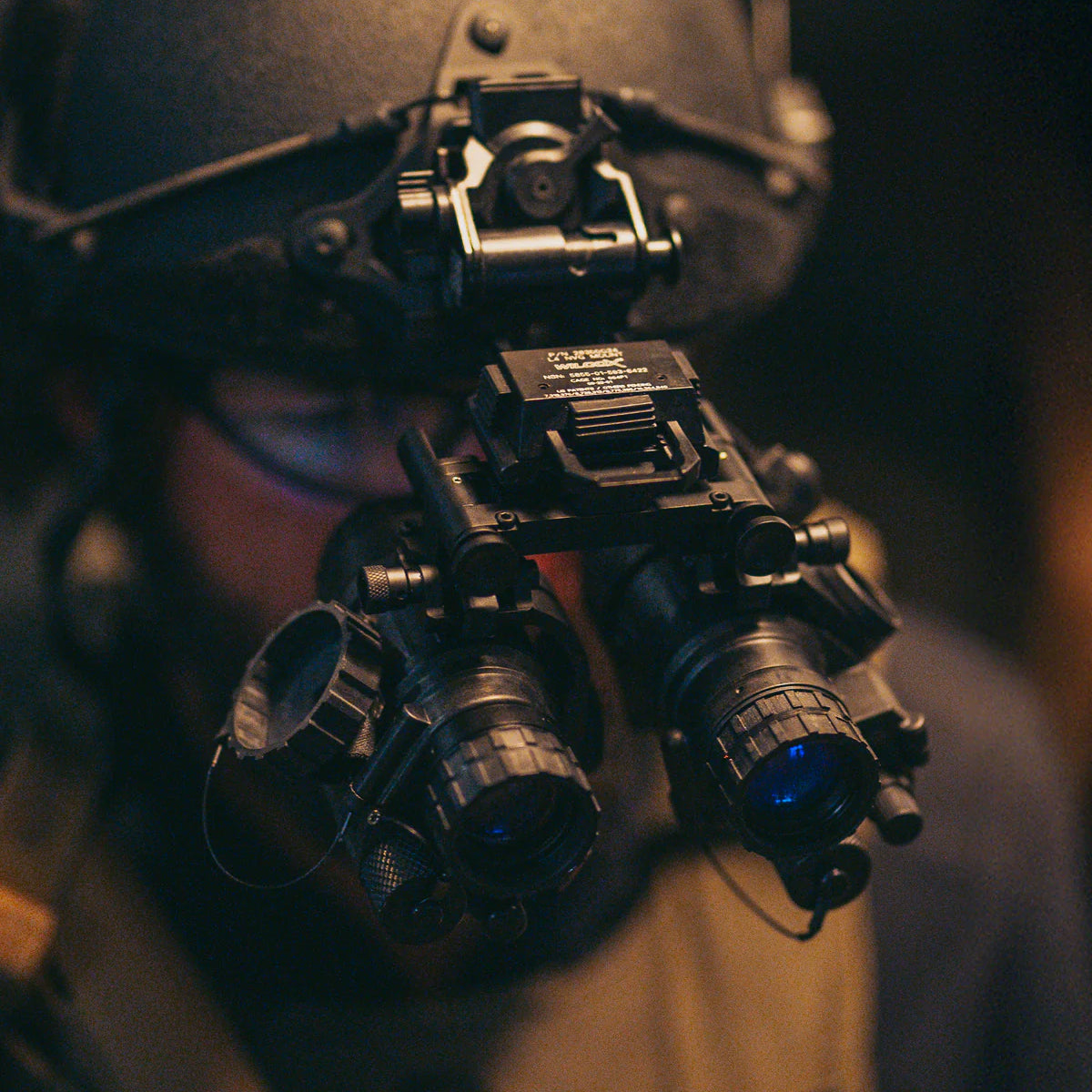
Complete Your Night Vision Goggle Setup
A complete night vision goggle setup may require the right helmet mount, headgear, shroud, bridge, lens protection, demist shield, eyecup, or replacement part. After selecting a goggle system, review AGM night vision accessories to make sure the device can be carried, mounted, protected, and maintained correctly.
Need help?
Night Vision Goggles FAQ
Night vision goggles are used for hands-free viewing in low-light environments. They are commonly chosen for movement, navigation, property observation, hunting support, tactical work, and other field situations where handheld or rifle-mounted optics are not ideal.
Night vision goggles are better when hands-free movement and viewing comfort are the priority. A monocular is usually more compact and flexible for handheld or single-eye helmet-mounted use. The right choice depends on how the optic will be carried and used in the field.
Many AGM night vision goggle systems are designed for helmet-mounted or head-mounted use with the correct compatible mount, shroud, or headgear. Always match the goggle model with the correct mounting accessory before use.
Compare tube configuration, phosphor color, field of view, weight, helmet compatibility, battery setup, ruggedness, and the accessories needed for mounting and protection.
Once again: as you remember, night vision technology is to amplify light. Accordingly, in the case of perfect darkness, night vision goggles will be simply useless. This is why such devices need light sources to amplify them. If there are no such sources, then they can be successfully replaced by an IR illuminator. Its advantage is that you cannot see it with the naked eye (although, in night vision, you will glow like a beacon), but it will give you enough resources for the correct operation of the equipment.
Moreover, if you own a first-generation NV device, you will already have an IR illuminator in your kit. This is due to the weakness of outdated equipment. In the next generations, whose power is many times greater, you will often do without infrared light. But, at the same time, we strongly advise you to have such an option in your arsenal.