

Varmint V2 Thermal Rifle Scope
AGM Varmint V2 LRF thermal scopes are built for predator and varmint hunters who need a compact rifle-scope platform with thermal detection, integrated ranging support, and practical field control.
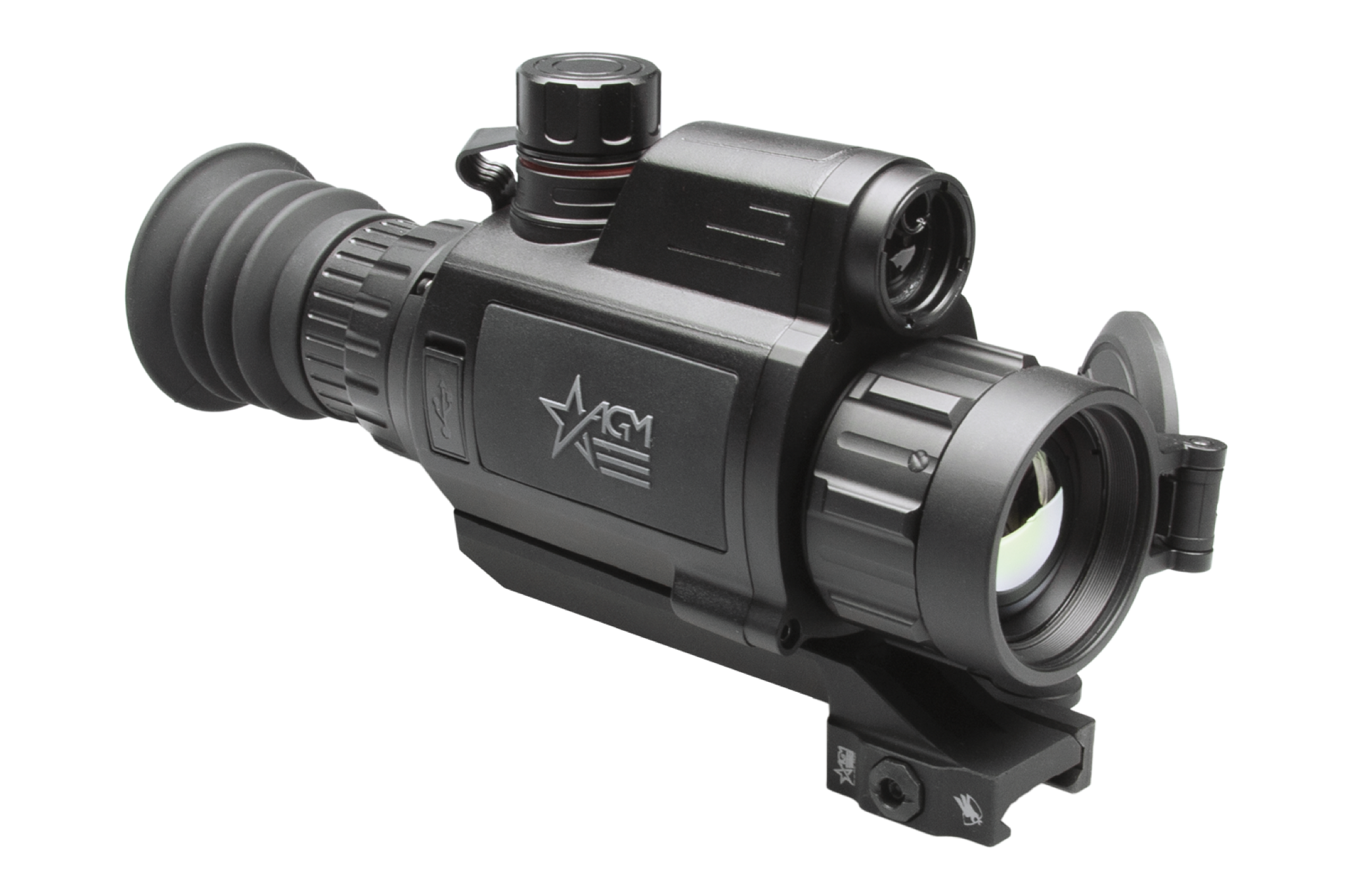
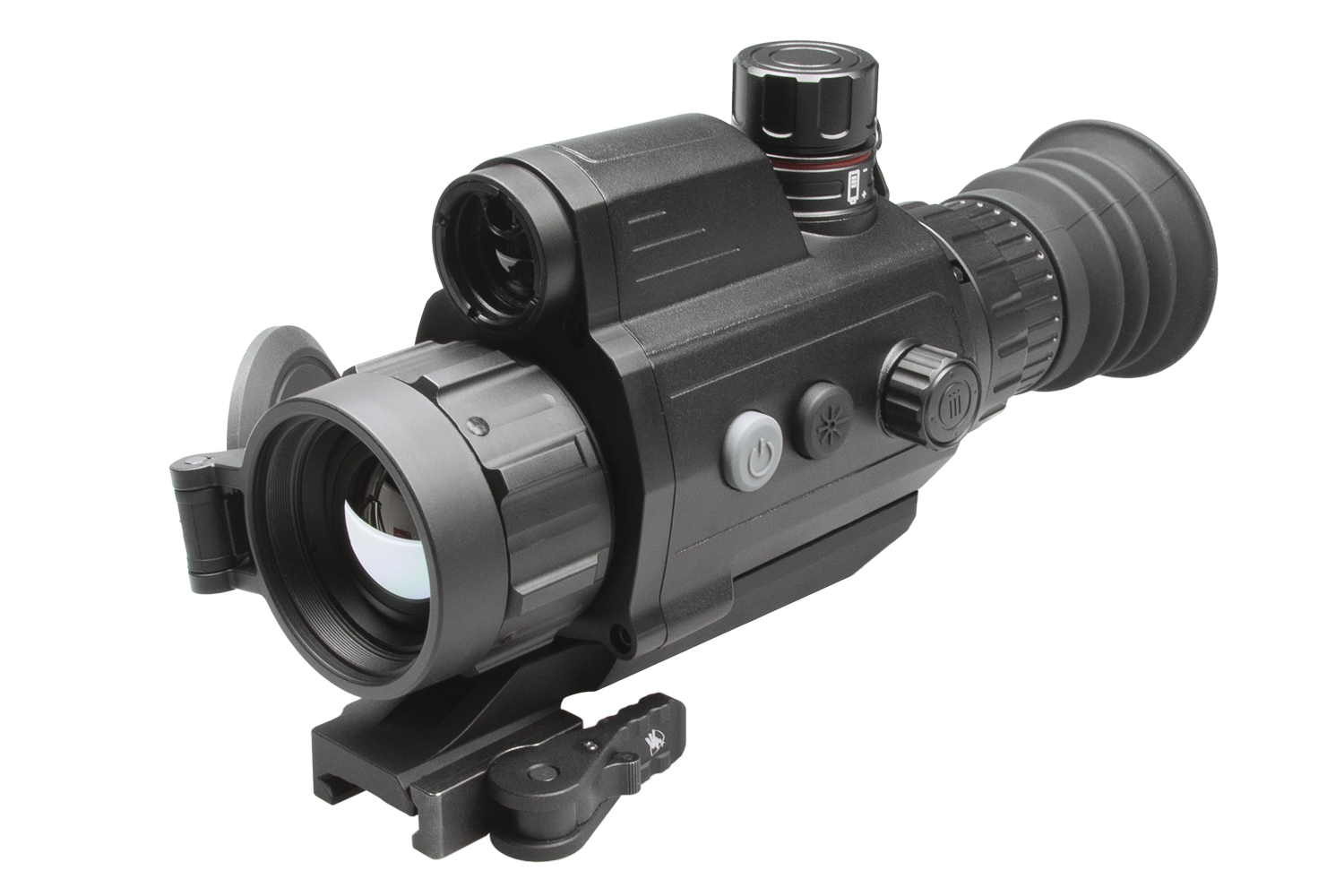
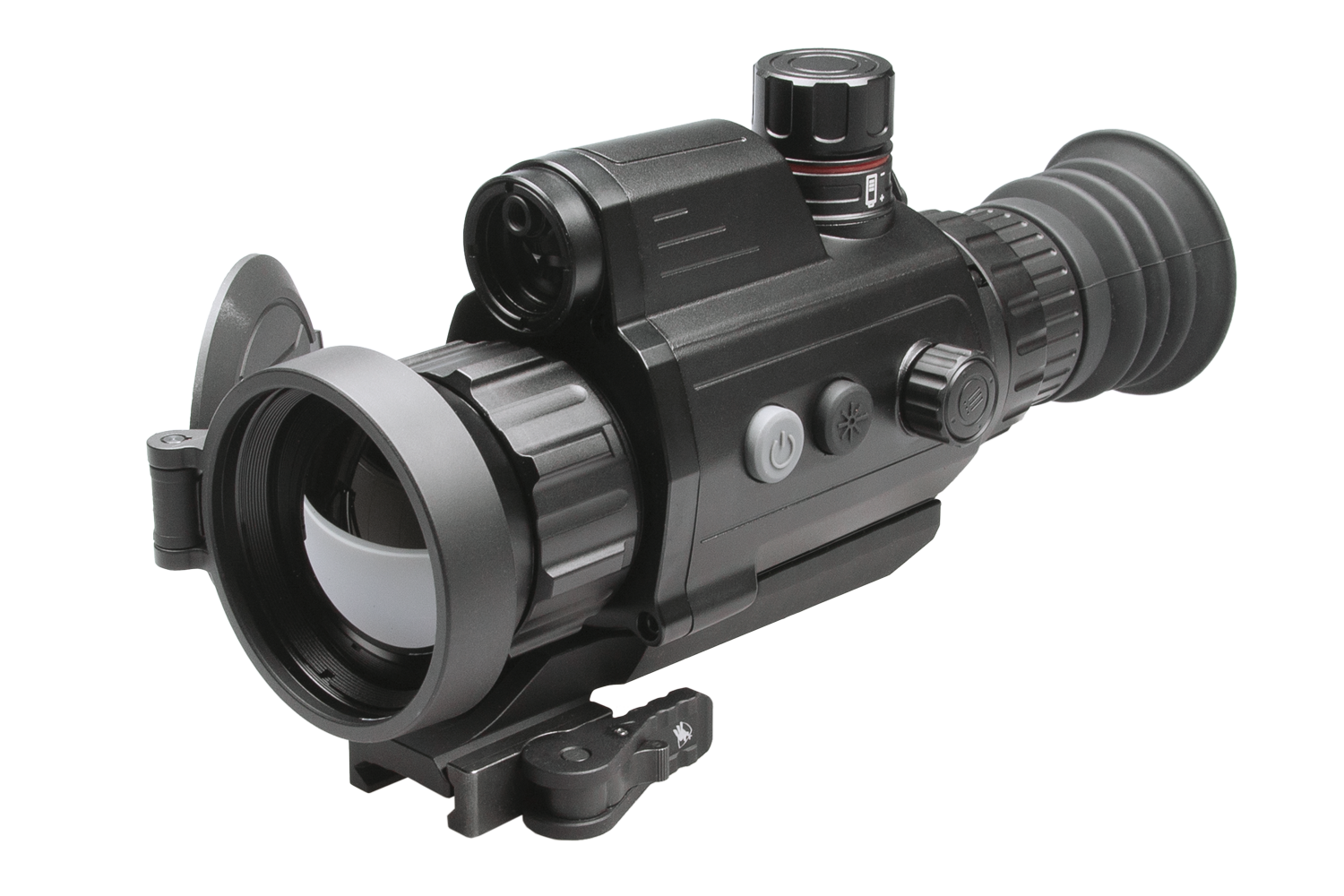
Choose the Right Varmint V2 Model
The Varmint V2 lineup is built for predator and varmint hunters who want a compact thermal riflescope with familiar scope-style handling, integrated rangefinding support, and practical model choices for different field conditions. Use this section to compare resolution, field use, and model positioning before choosing the Varmint V2 scope that fits your setup.
- 384 Resolution
Accessible practical Varmint V2 option. - 640 Resolution
Higher-detail Varmint V2 option. - LRF / Ranging Support
Useful when distance awareness matters. - Compact Rifle-scope Form
Mounted thermal scope, not a handheld scanner.

Precision in the Dark
Varmint V2 thermal scopes are designed for hunters who need fast detection, clear target awareness, and a compact mounted optic for night hunting applications. The series keeps the feel of a traditional rifle scope while adding thermal imaging performance and rangefinding support for demanding predator and varmint use.
Varmint V2 Features Built for Predator and Varmint Hunting
- Thermal Detection
- Traditional Scope Form Factor
- Laser Rangefinder / LRF Context
- 384 vs 640 Selection
- Field Use and Mounting
- Battery / Runtime Cues
Explore the Full Varmint V2 Lineup
Compare key specs across each model to find the right fit.Quickly see differences in range, magnification, and resolution.Choose the scope that matches your hunting style and conditions.
|
Product
|
Detection Range
|
Base Magnification
|
NETD
|
Lens Size
|
Field Of View
|
Battery Life
|
Refresh Rate
|
|---|---|---|---|---|---|---|---|
| 1800 m/yd | 3× | Less than 20 mK | 35 mm | 7.5° × 5.7° or 39 ft × 30 ft at 100 yards | Over 6 hours | 50 Hz | |
| 1800 m/yd | 2× | Less than 20 mK | 35 mm | 12.5° × 10.0° or 66 ft × 52 ft at 100 yards | Over 5 hours | 50 Hz |

Featured videos
Need help?
Varmint V2 Thermal Scope FAQ
The AGM Varmint V2 thermal scope family is intended for rifle-mounted thermal observation and aiming support in predator and varmint hunting scenarios.
The main cue is thermal resolution and image detail. The 384 option is the more accessible practical choice, while the 640 option supports higher-detail observation.
LRF helps users understand distance to a target, terrain, or point of interest before making a field decision.