

Thermal Monoculars
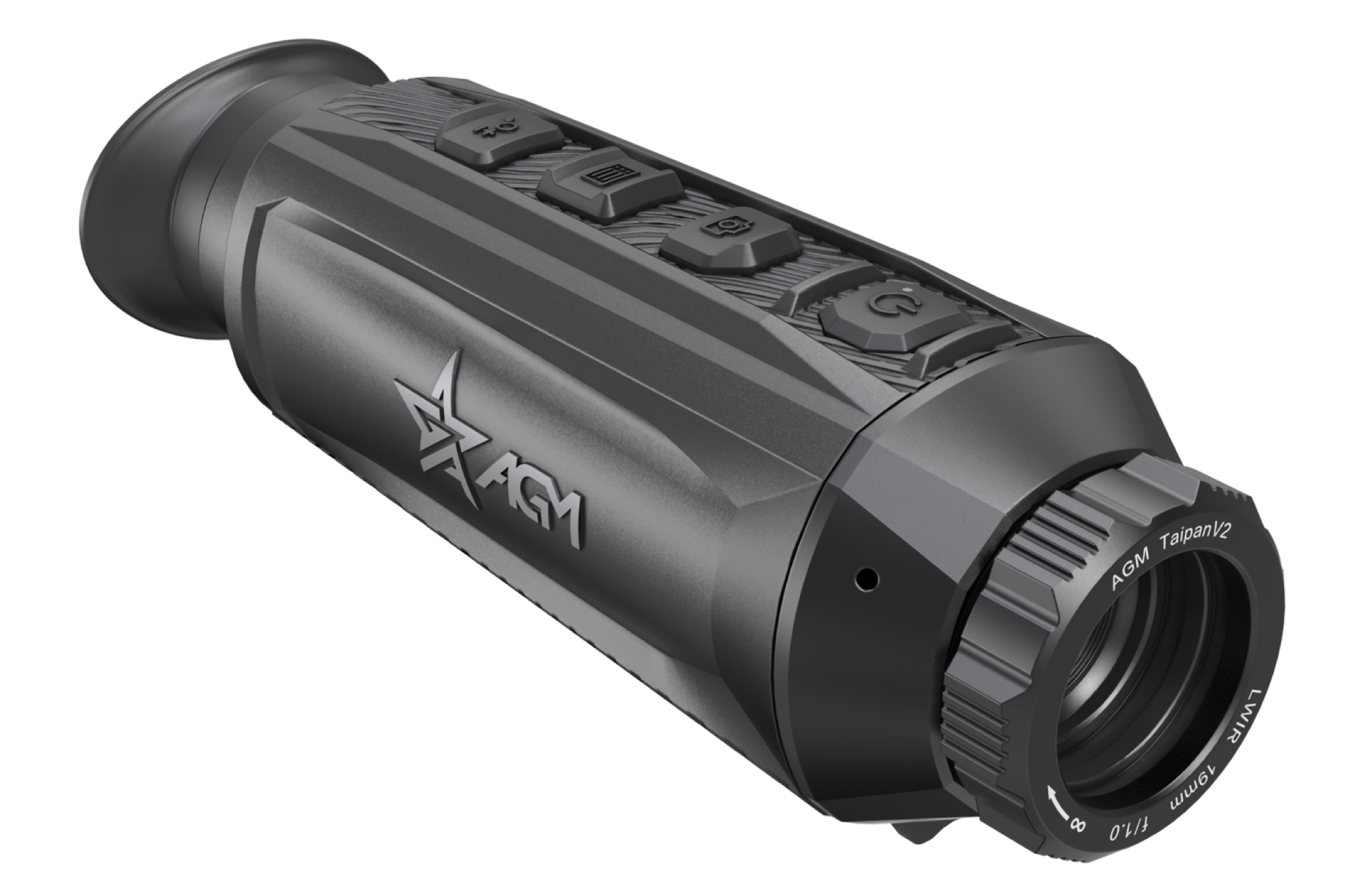
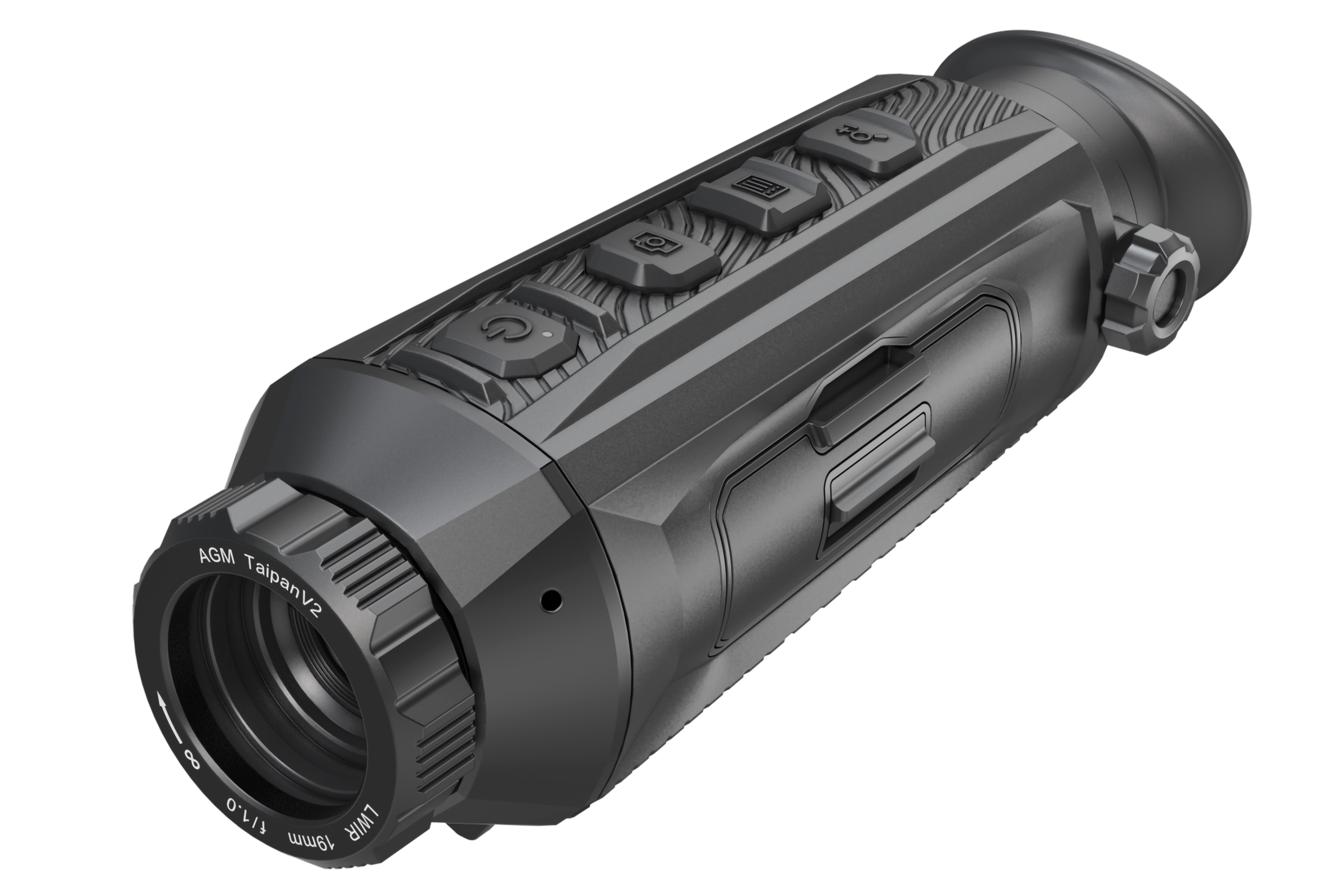
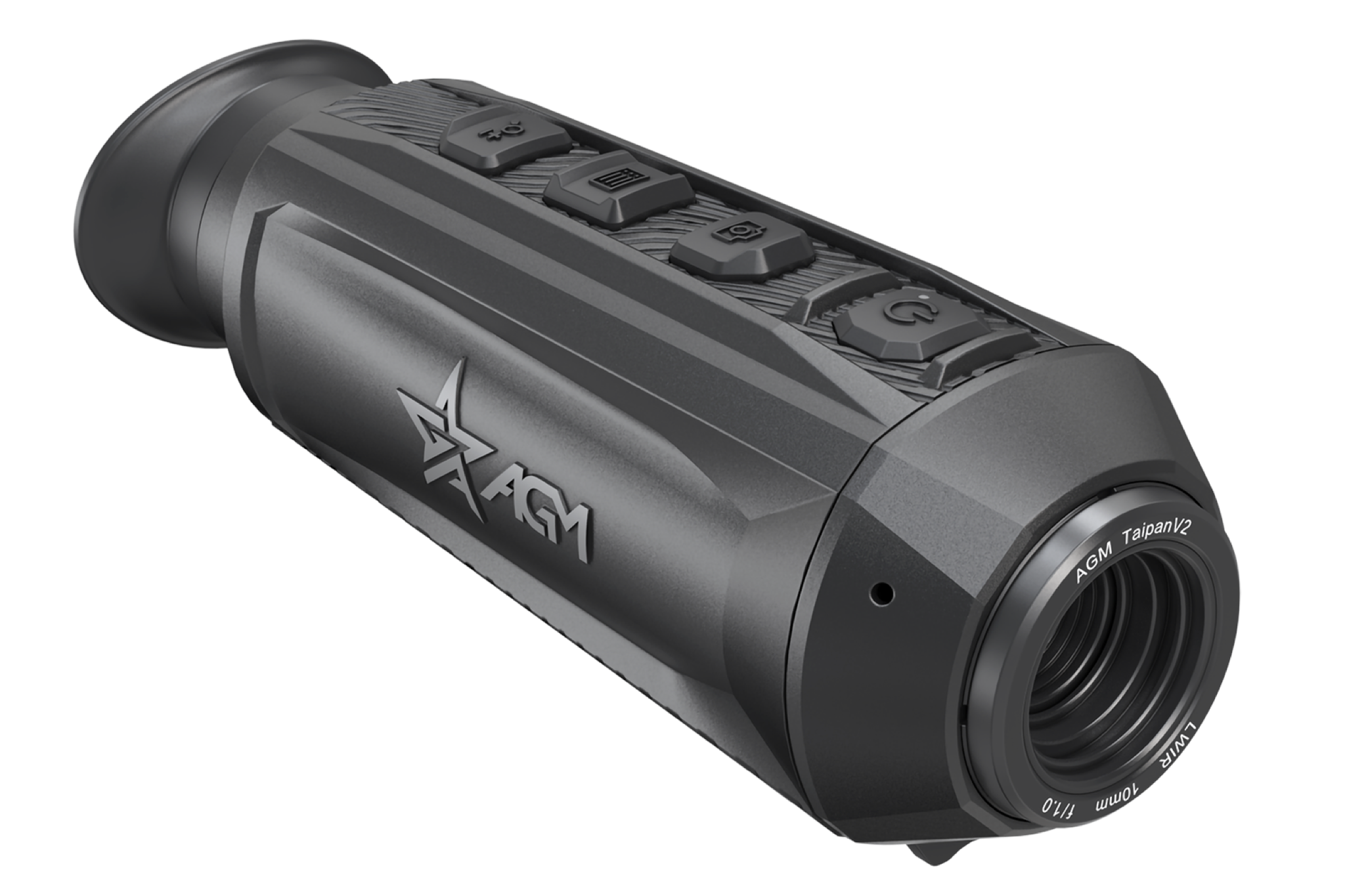
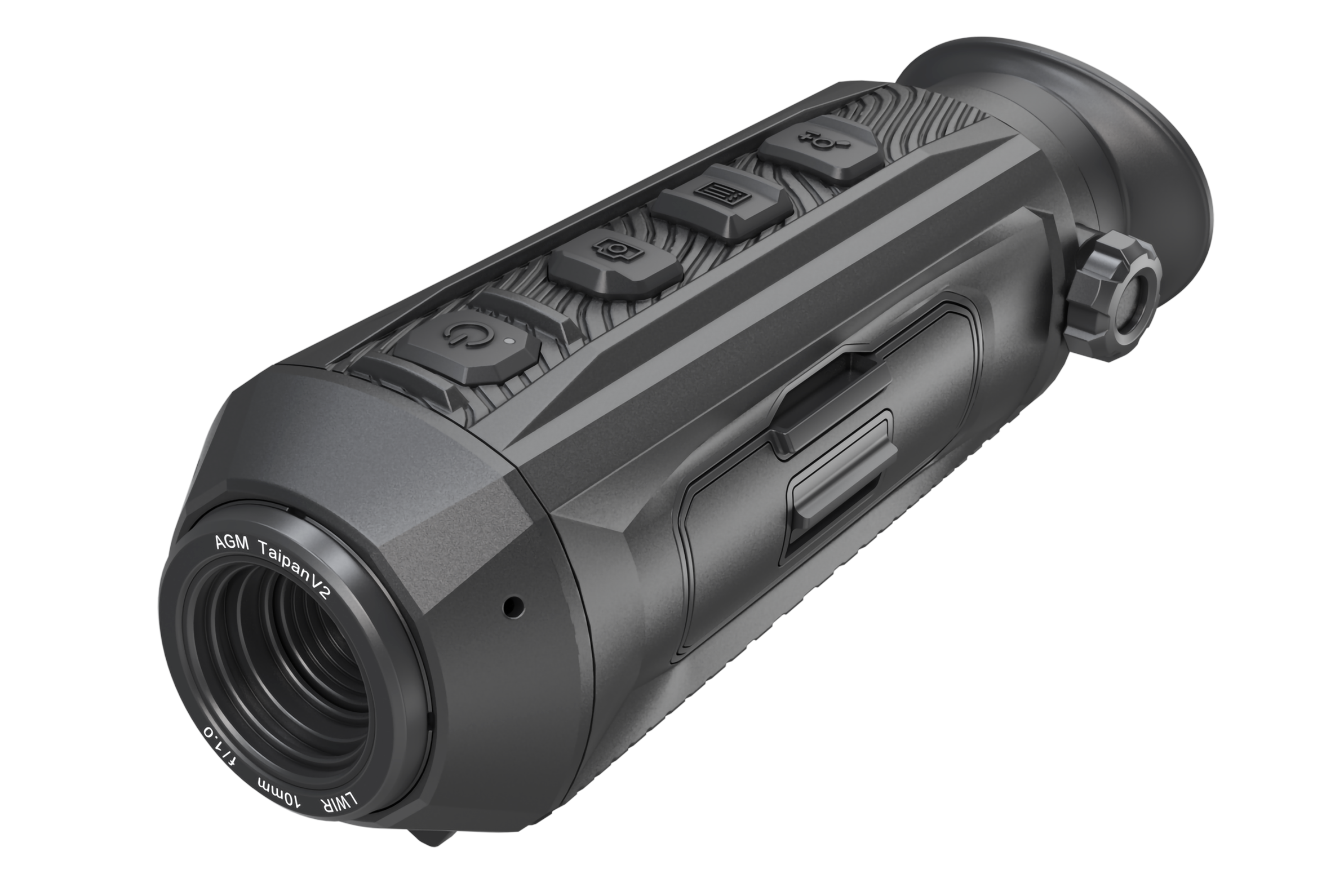
Handheld thermal monoculars for hunting, scouting, detection, and field observation. Compare AGM Taipan and ReachIR LRF models by sensor resolution, lens size, magnification, detection needs, and rangefinding support.
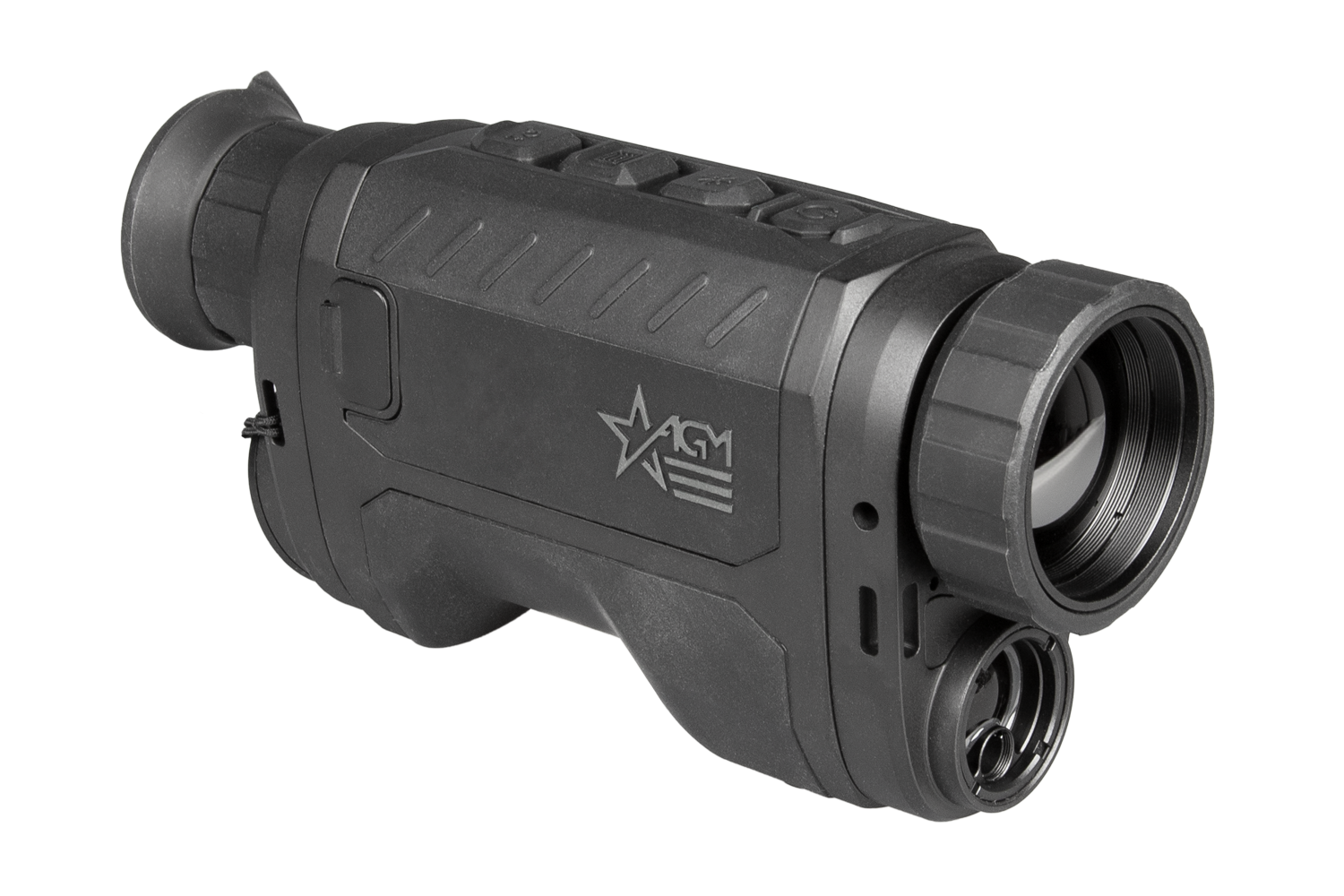
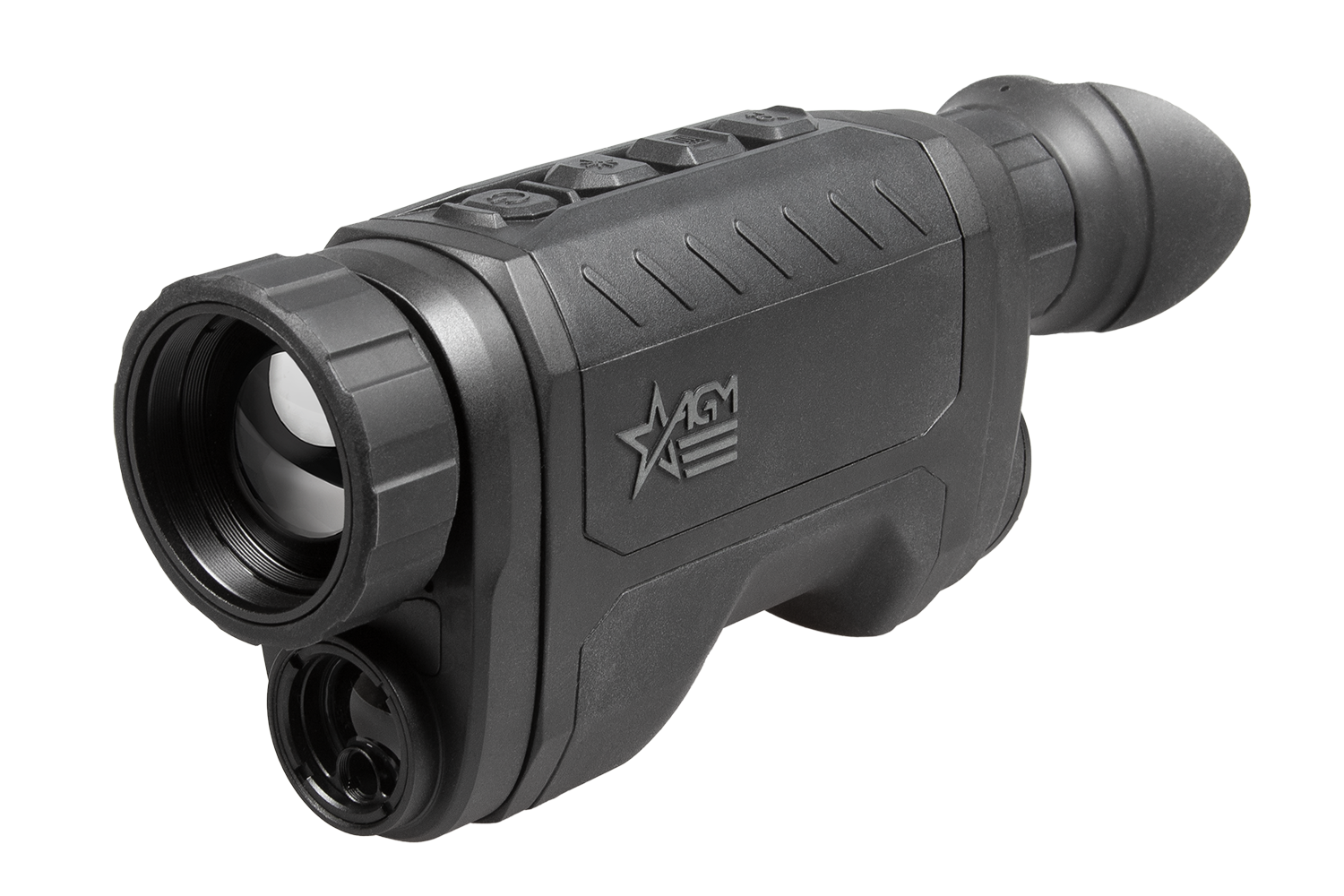
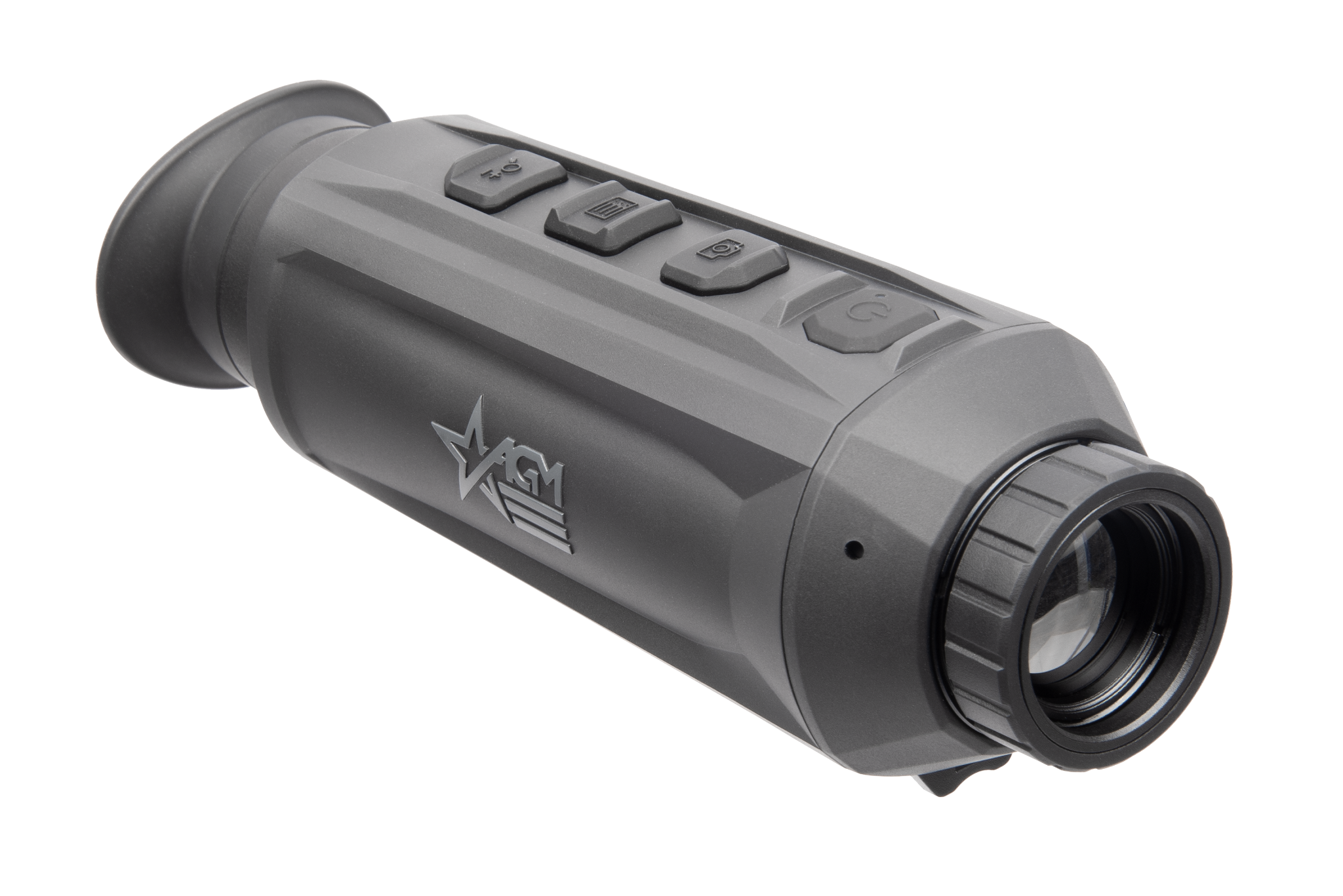
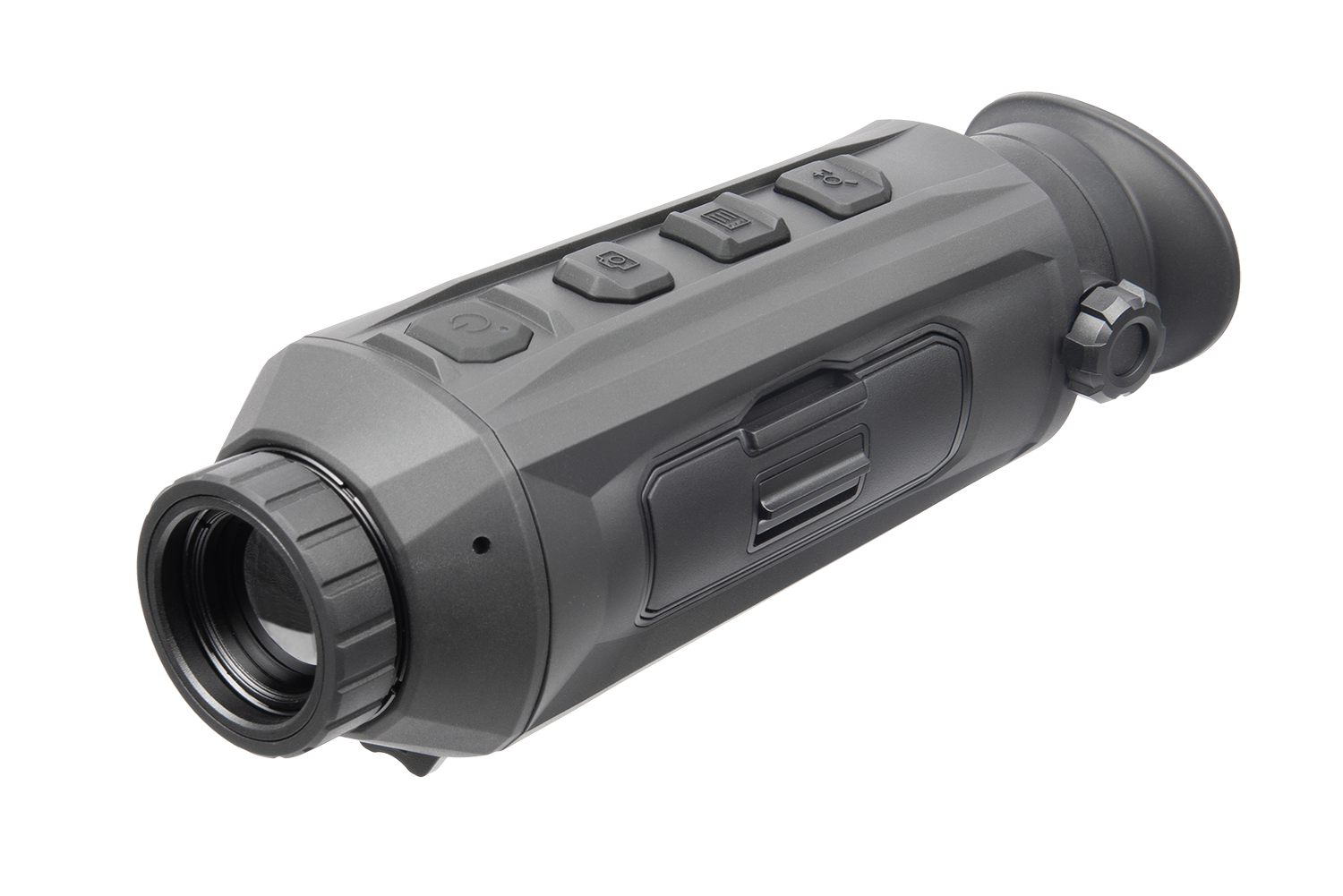
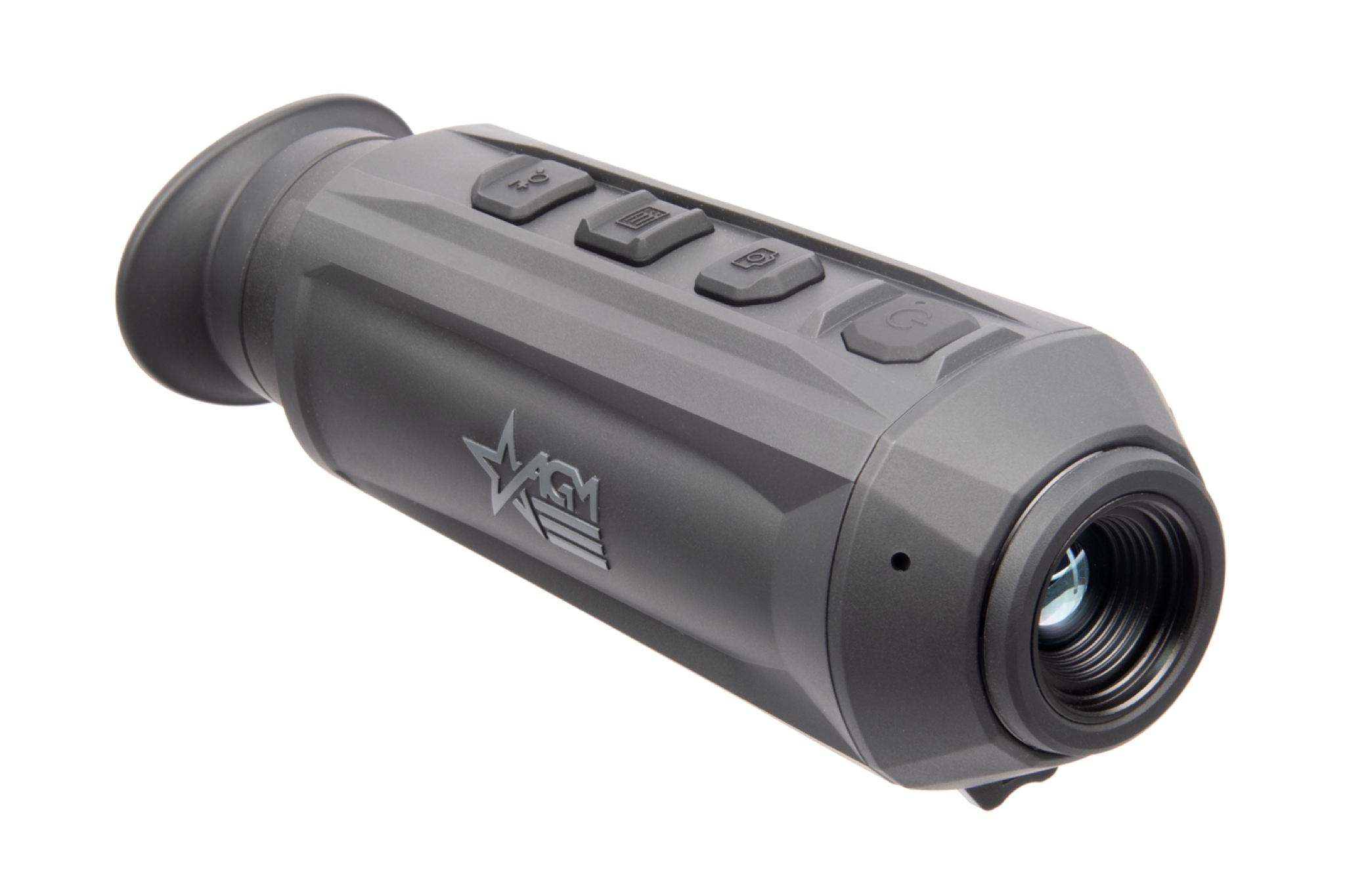
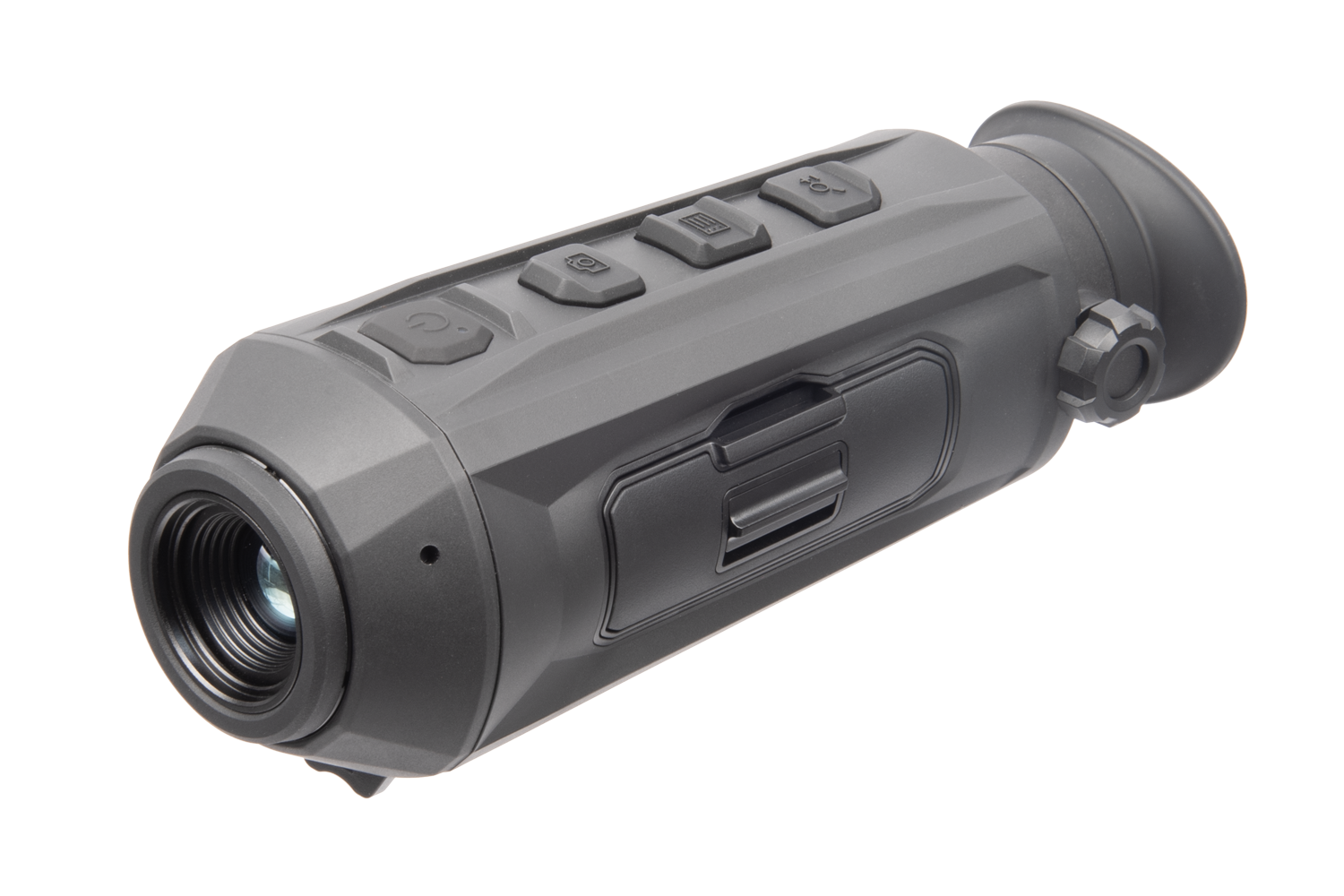
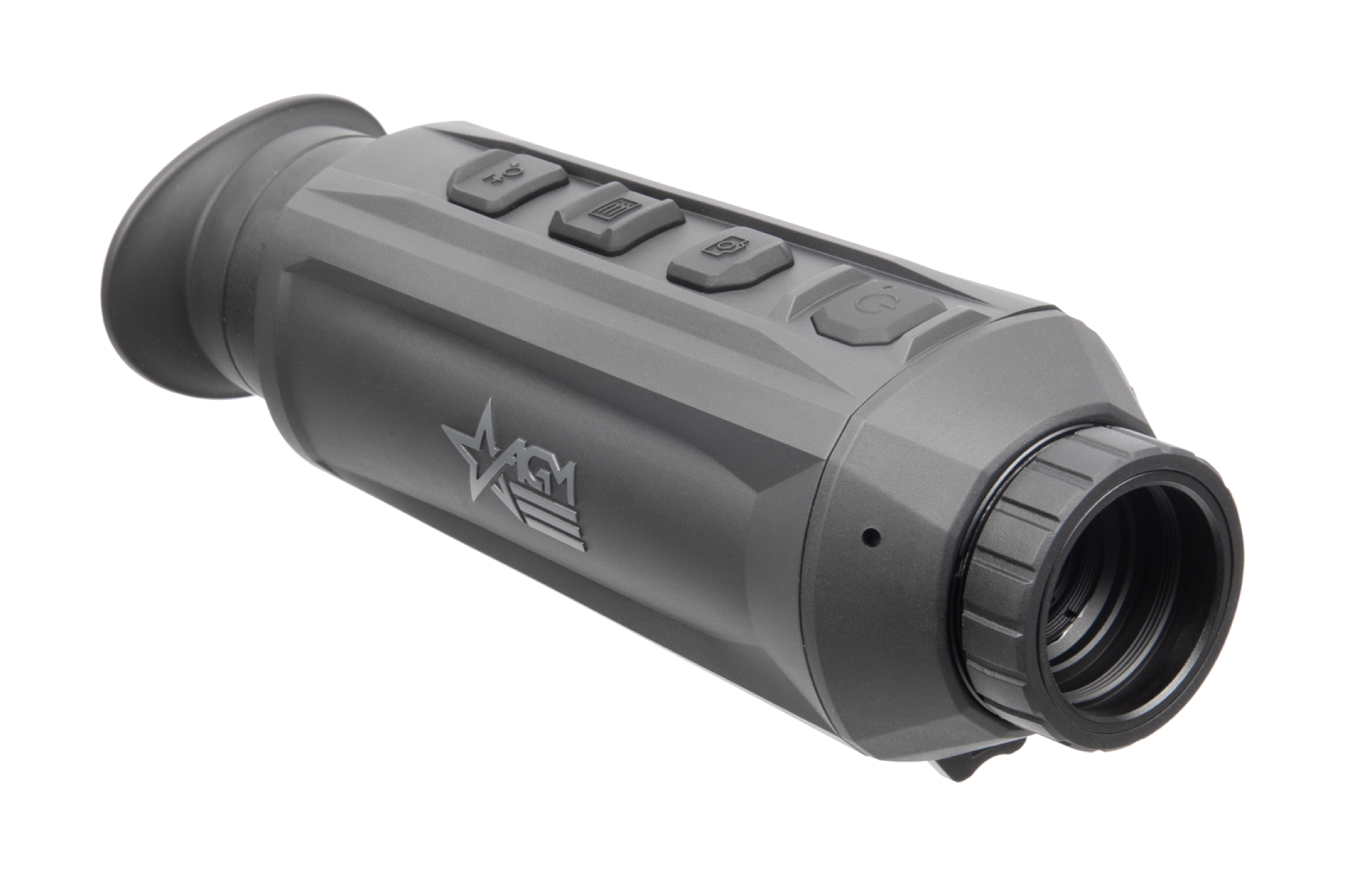
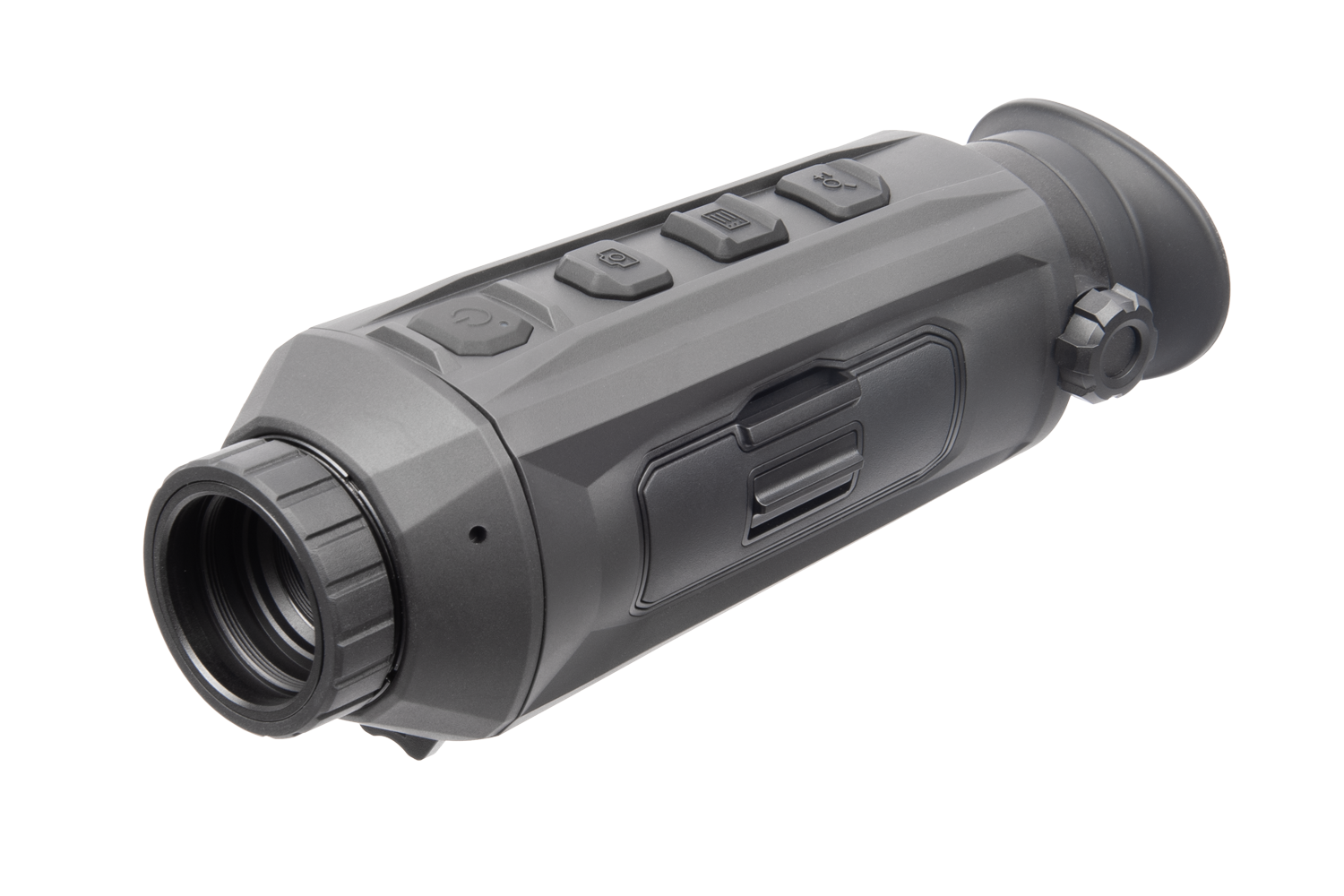
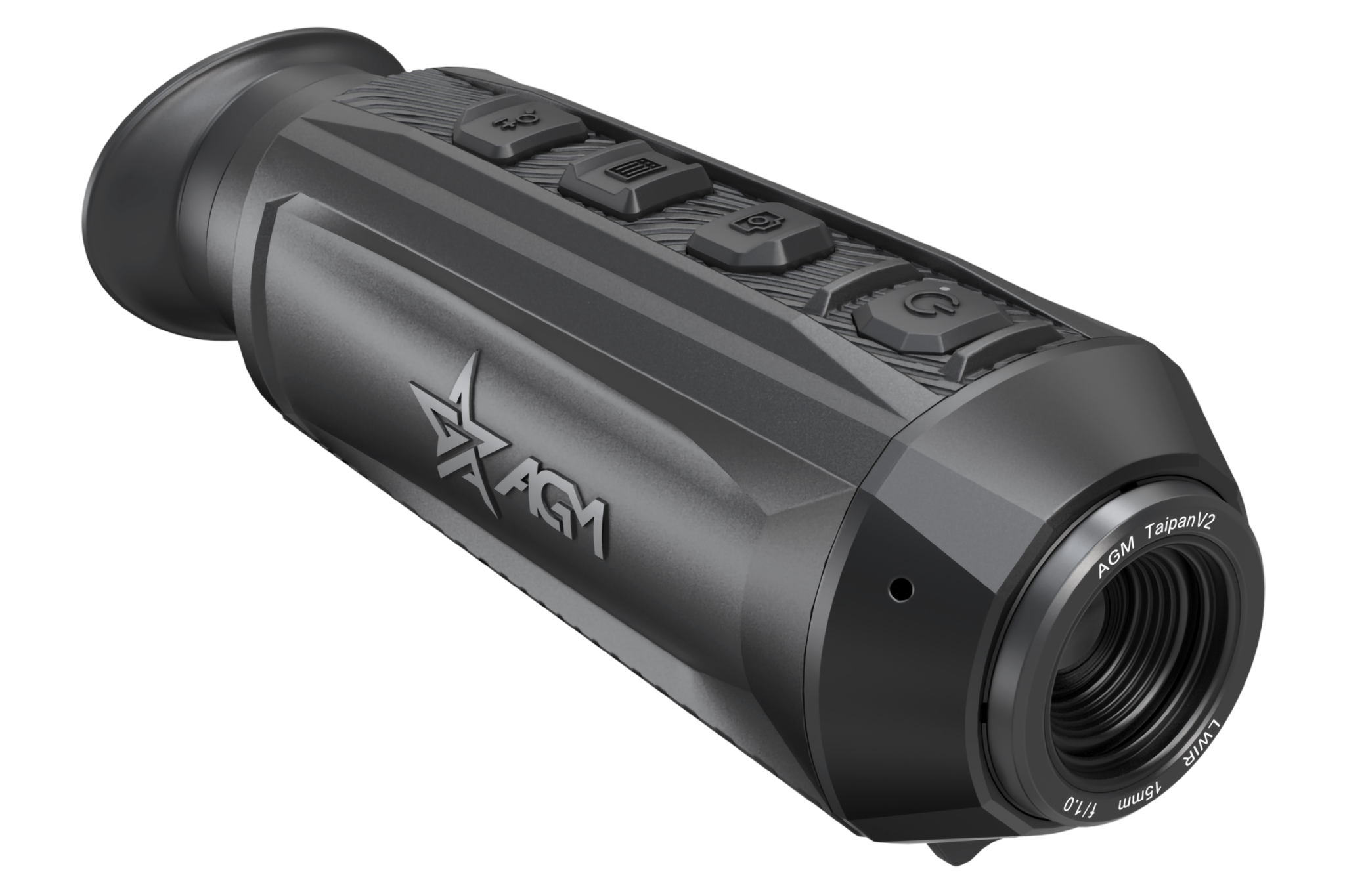
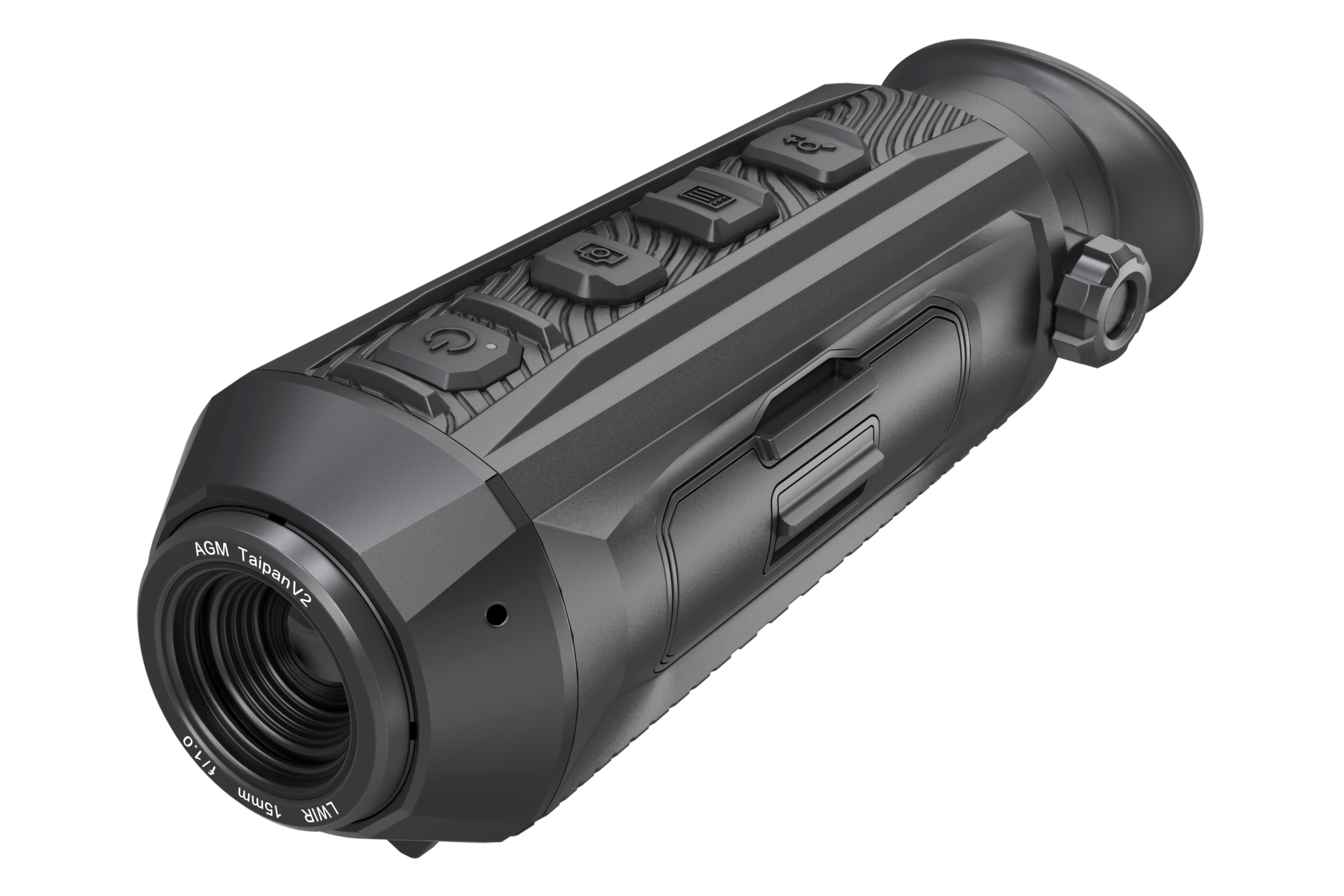
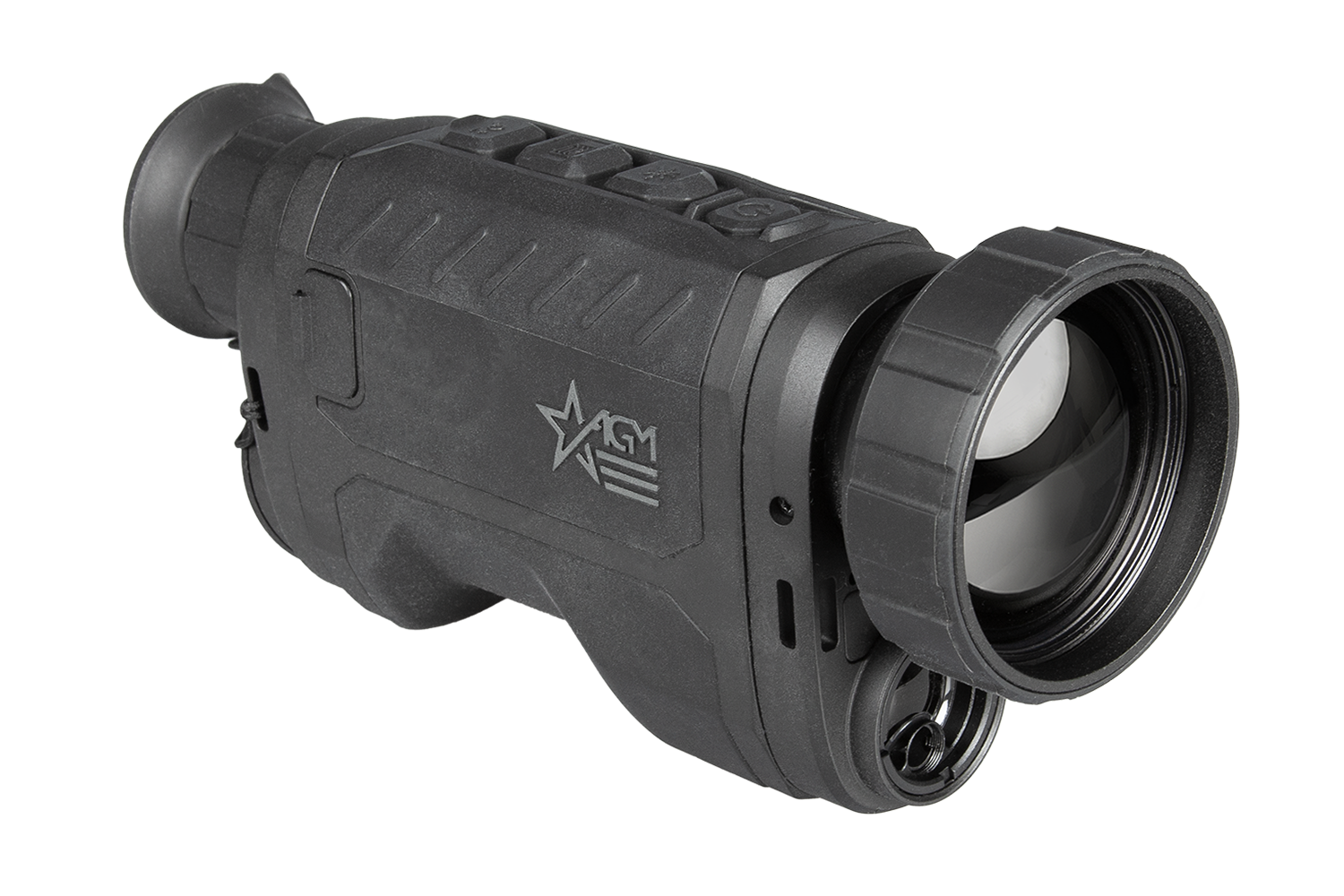
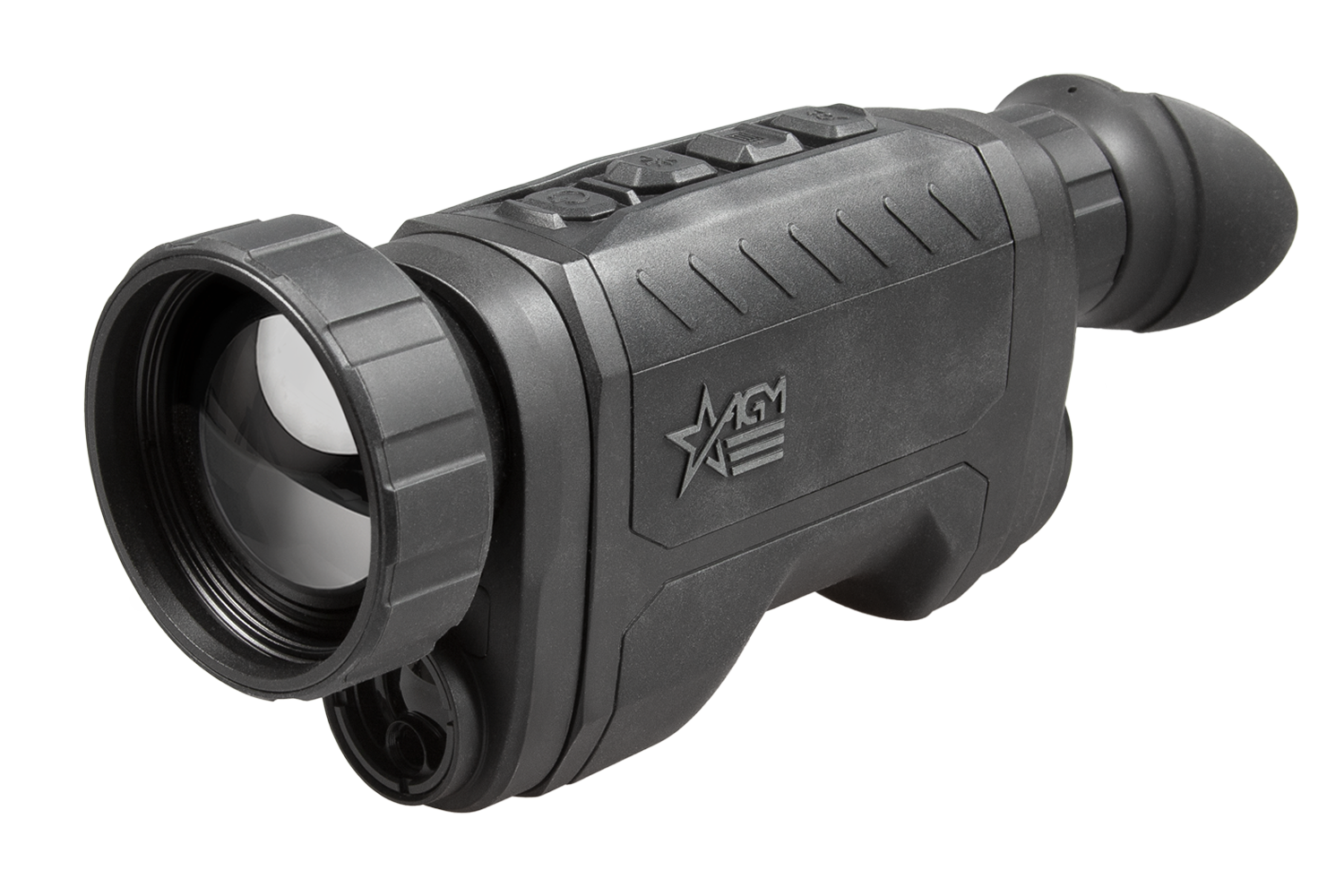
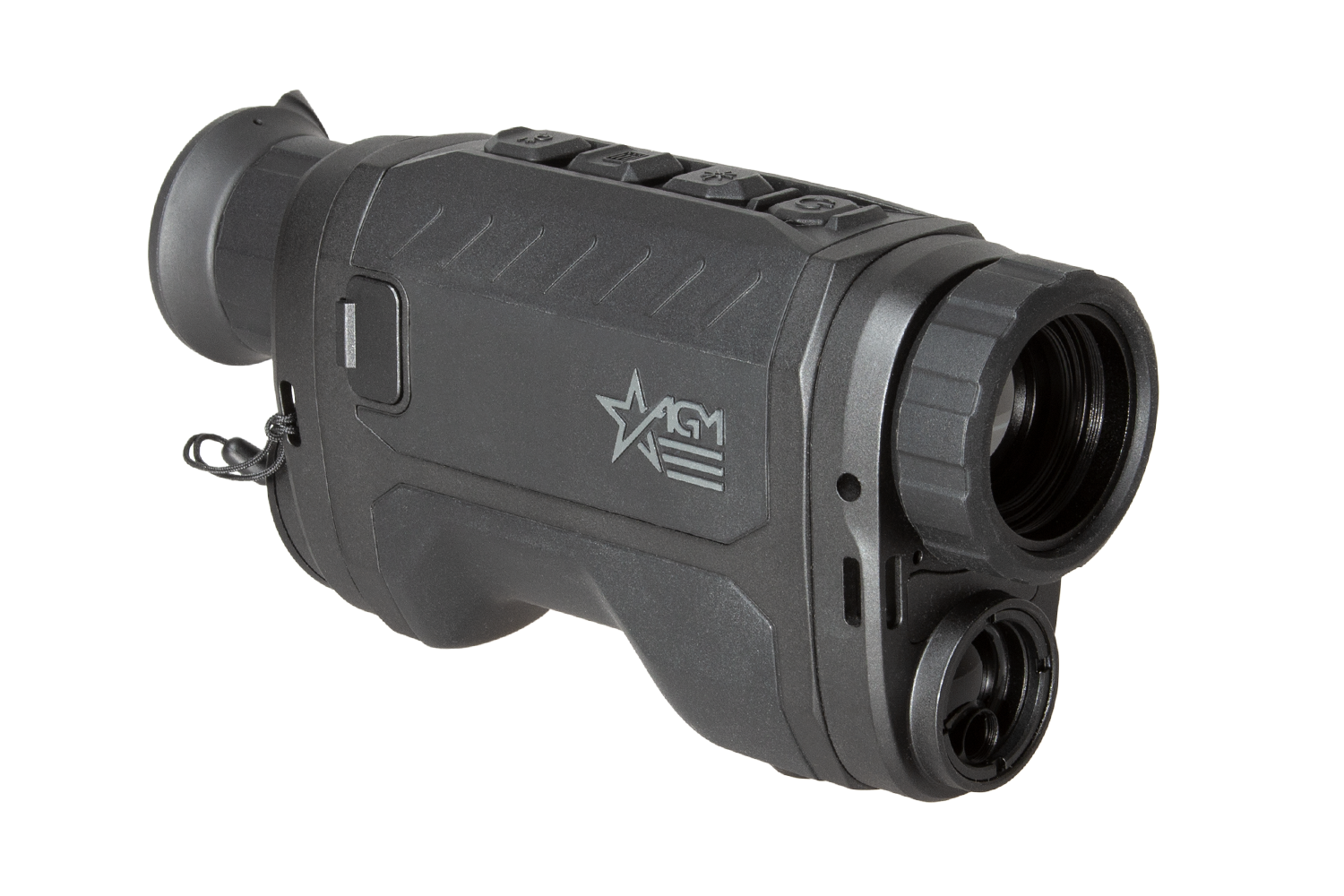
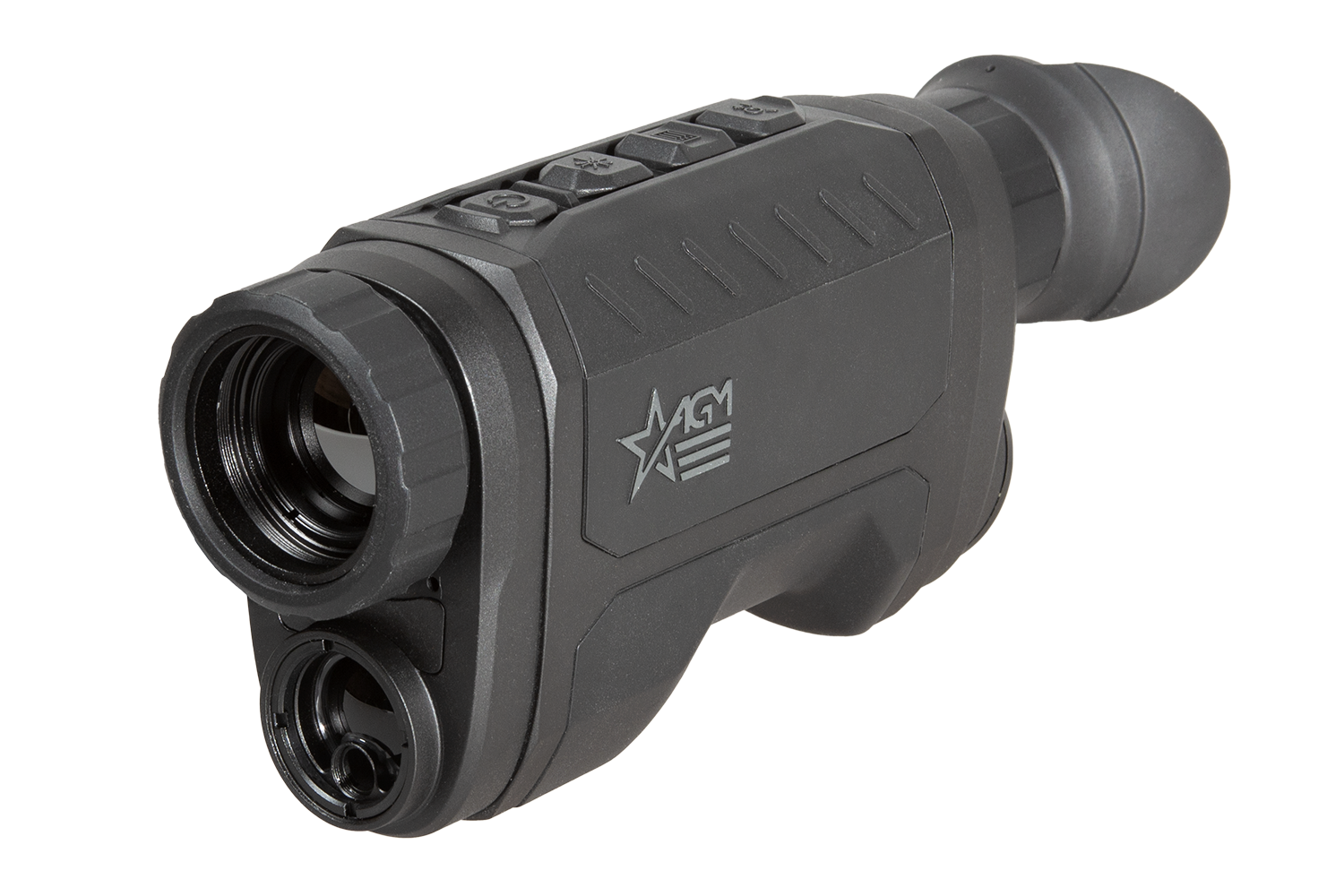
Choose the Right AGM Thermal Monocular
Compare AGM thermal monoculars by sensor resolution, lens size, base magnification, field of view, battery setup, recording / Wi-Fi support, detection needs, and whether onboard LRF is required.
- Taipan V2 Thermal Monoculars
Compact handheld thermal scanners for hunting, scouting, and fast field detection. Use Taipan when portability, simple operation, and model choice across 256 / 320 / 384 resolution options matter most. - ReachIR LRF Thermal Monoculars
LRF-equipped handheld thermal monoculars for users who need distance awareness, stronger long-range identification support, and higher-resolution model options. - How to Compare Models
Compare sensor resolution, objective lens size, base magnification, field of view, detection needs, battery setup, recording / Wi-Fi, and whether LRF is required.
Thermal Monoculars for Scouting, Hunting, and Detection
A thermal monocular helps users scan for heat signatures before switching to a rifle scope, binocular, or daytime optic. Choose compact Taipan models for lightweight scanning and ReachIR LRF models when distance measurement and higher-resolution observation matter.
Hunting and predator control
Scouting and pre-shot observation
Property / ranch / perimeter checks
Search, tracking, and recovery
Long-range observation with LRF models
Monoculars
Need help?
Thermal Monoculars FAQ
A thermal monocular is used for handheld heat detection, scanning, scouting, hunting, tracking, and field observation. It helps users locate heat signatures before switching to a rifle scope, binocular, or daytime optic.
Yes. A thermal monocular is useful for hunting because it helps scan fields, brush, tree lines, and low-light areas for heat signatures before making the next move.
A thermal monocular is a handheld one-eye scanner used for detection and observation. A thermal rifle scope is mounted on a firearm and used for aiming and target engagement.
Choose Taipan V2 if you want a compact handheld thermal scanner for general field detection. Choose ReachIR LRF if you need onboard laser rangefinding and stronger distance awareness.
640 thermal resolution generally provides more image detail than 384, especially at longer distances. A 384 model can still work well for many hunting, scouting, and scanning situations depending on lens size, range, and budget.
Yes. Thermal monoculars detect heat instead of visible light, so they can work in complete darkness. Performance depends on sensor resolution, lens size, distance, weather, and heat contrast.