Filters
Digital day & night vision optics
Many buyers have difficulties in choosing the optimal model of digital optics. This is due to the large number of types of device, each of which has its own strengths and weaknesses. All these devices are intended for a certain category of users and help them cope with tasks of varying complexity.
Monoculars
Among the many types of digital optics, the simplest and most inexpensive is the monocular. It is ideal for people with little financial resources, as well as ordinary users who buy the first such device for themselves. The Digital Monocular is the most compact piece of equipment that can be used for hundreds of jobs. Most often, with its help, they track down prey while hunting, observe the territory during military exercises, guard various objects and do many other things.
Digital monoculars have a standard operating principle. In it, the main role is played by a CCD sensor, as well as an electronic unit that performs digital image processing. Thanks to this, it becomes the highest quality and detail. The prepared image is displayed on the display built into the eyepiece. If desired, the user has the opportunity not only to monitor, but also to record everything in the device's memory (just like on a smartphone, video camera). Such data is also often stored on a removable memory card compatible with any modern gadgets.
Digital monoculars have a lot of hidden features. One of the most useful is the presence of a built-in rangefinder. With it, the user can find out the approximate distance to the object being inspected. Almost always, this information will be important, and with its help it will be possible to simplify the implementation of the task. Among the shortcomings of such devices, one should single out only the need for observation with one eye and an insufficiently long battery life.
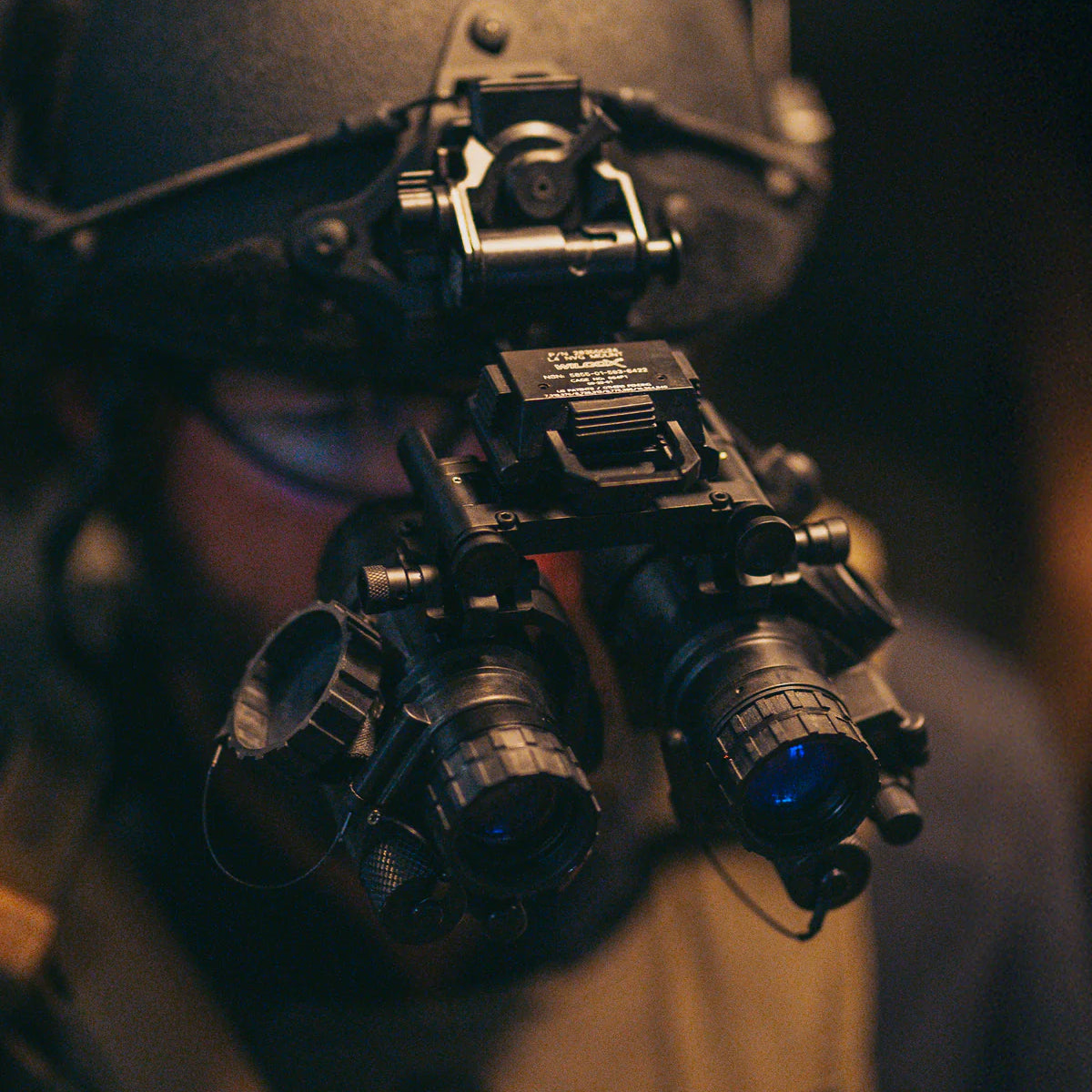
In addition to digital monoculars for the daytime, there are similar models for the night. In this case, the optics are supplemented with special light amplifiers, as well as an active or passive IR emitter. Such devices will be indispensable for lovers of night hunting, speleologists, wildlife conservationists, travelers, as well as people doing various work in the dark.
Binoculars
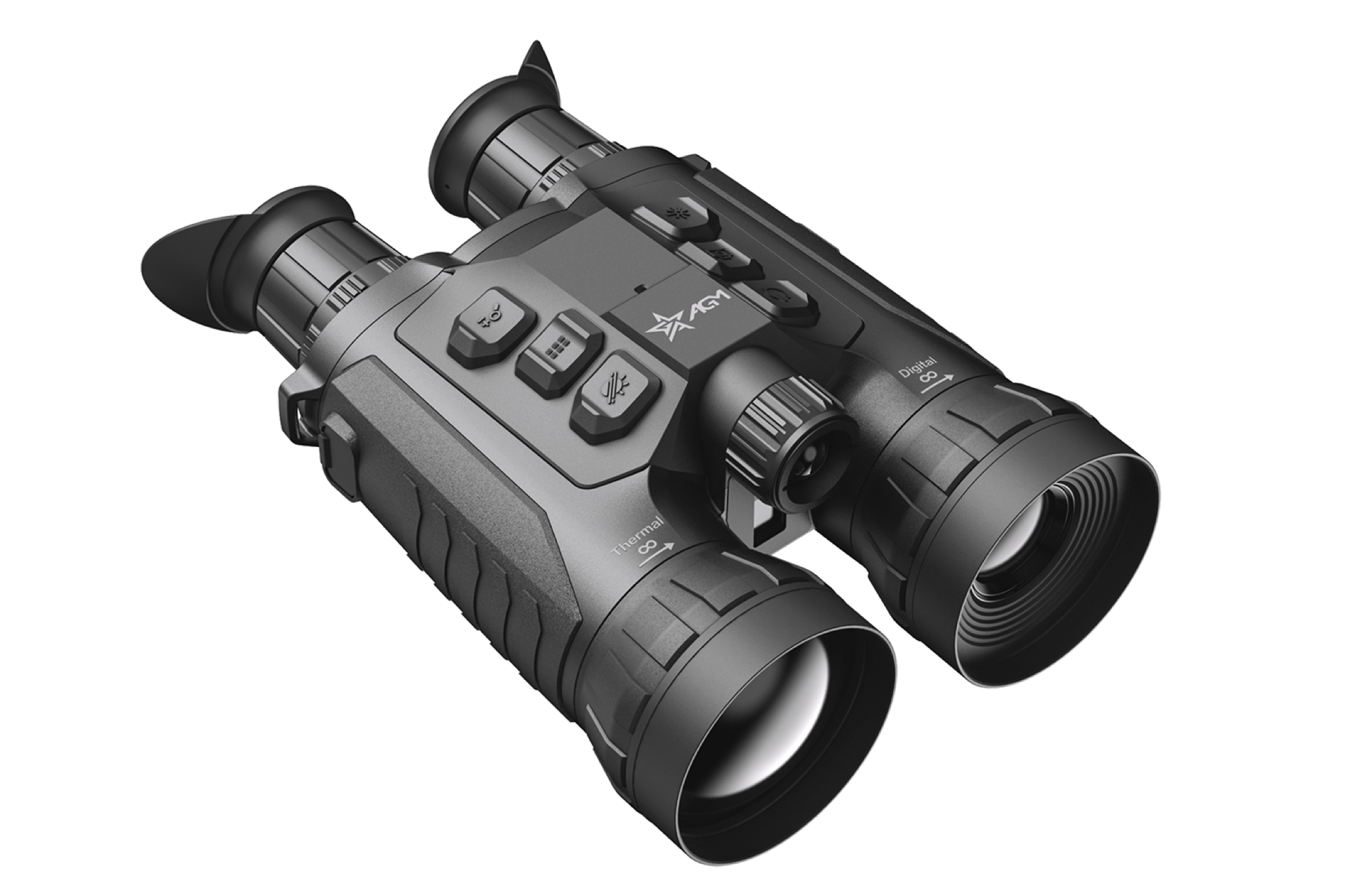
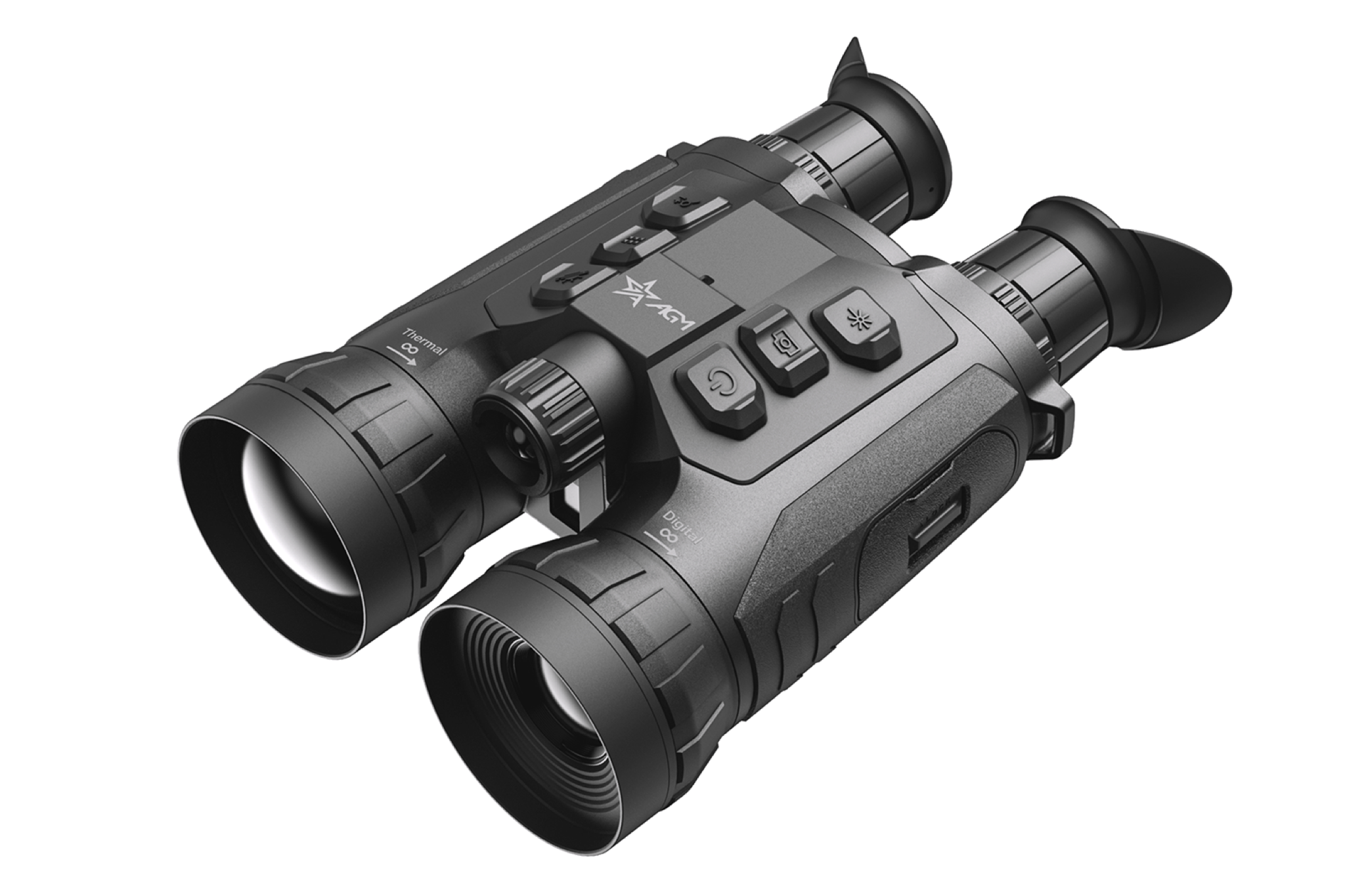
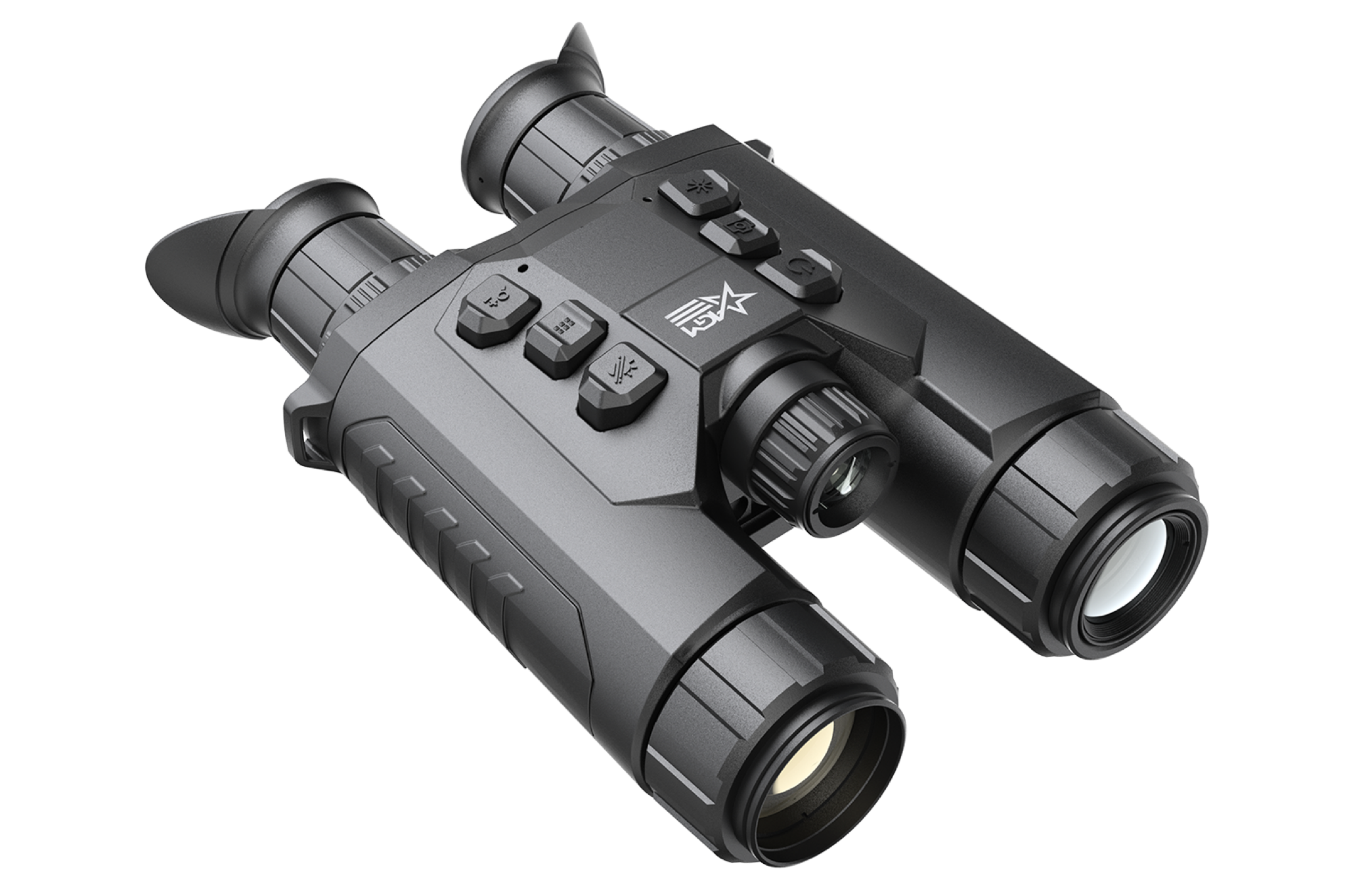
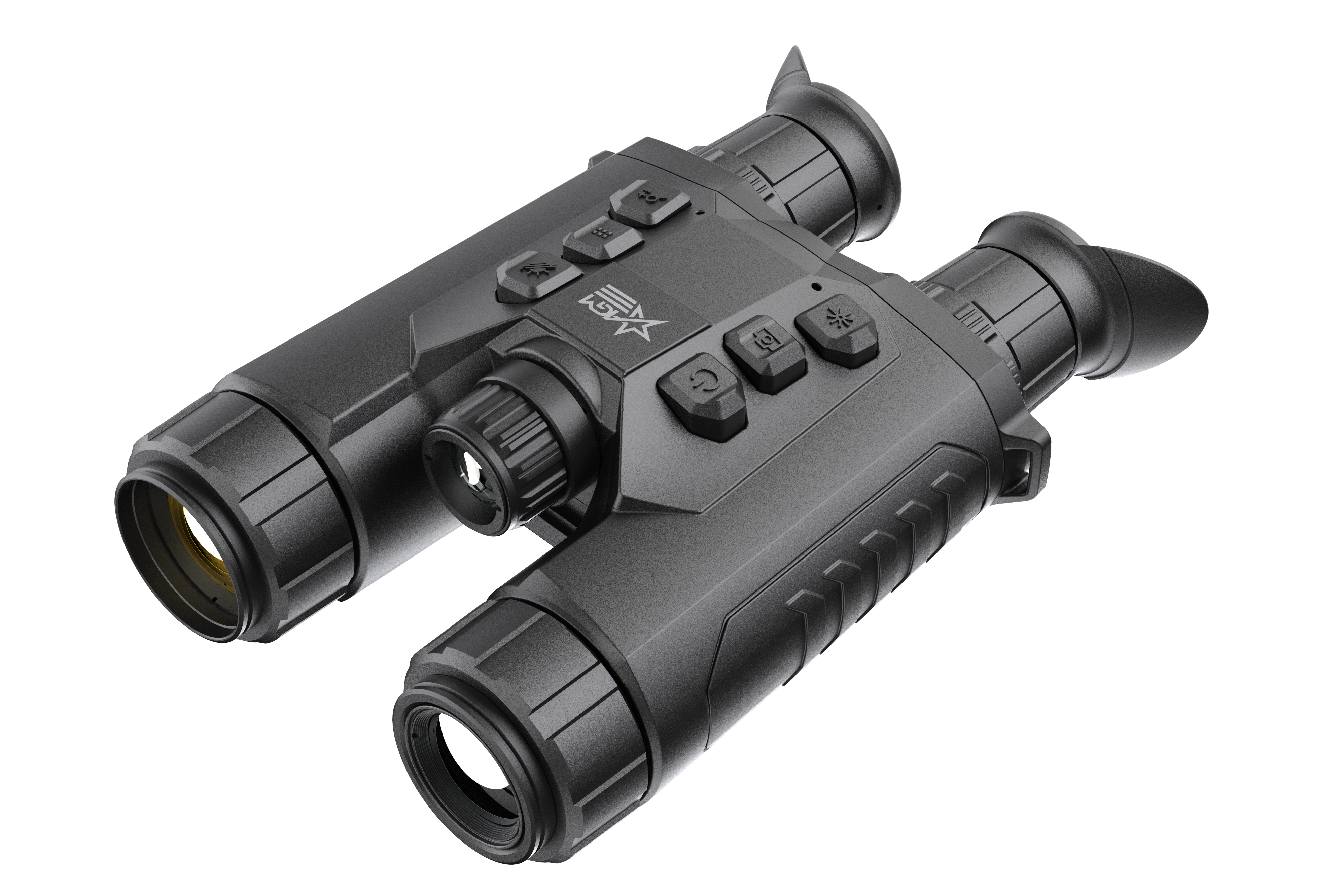
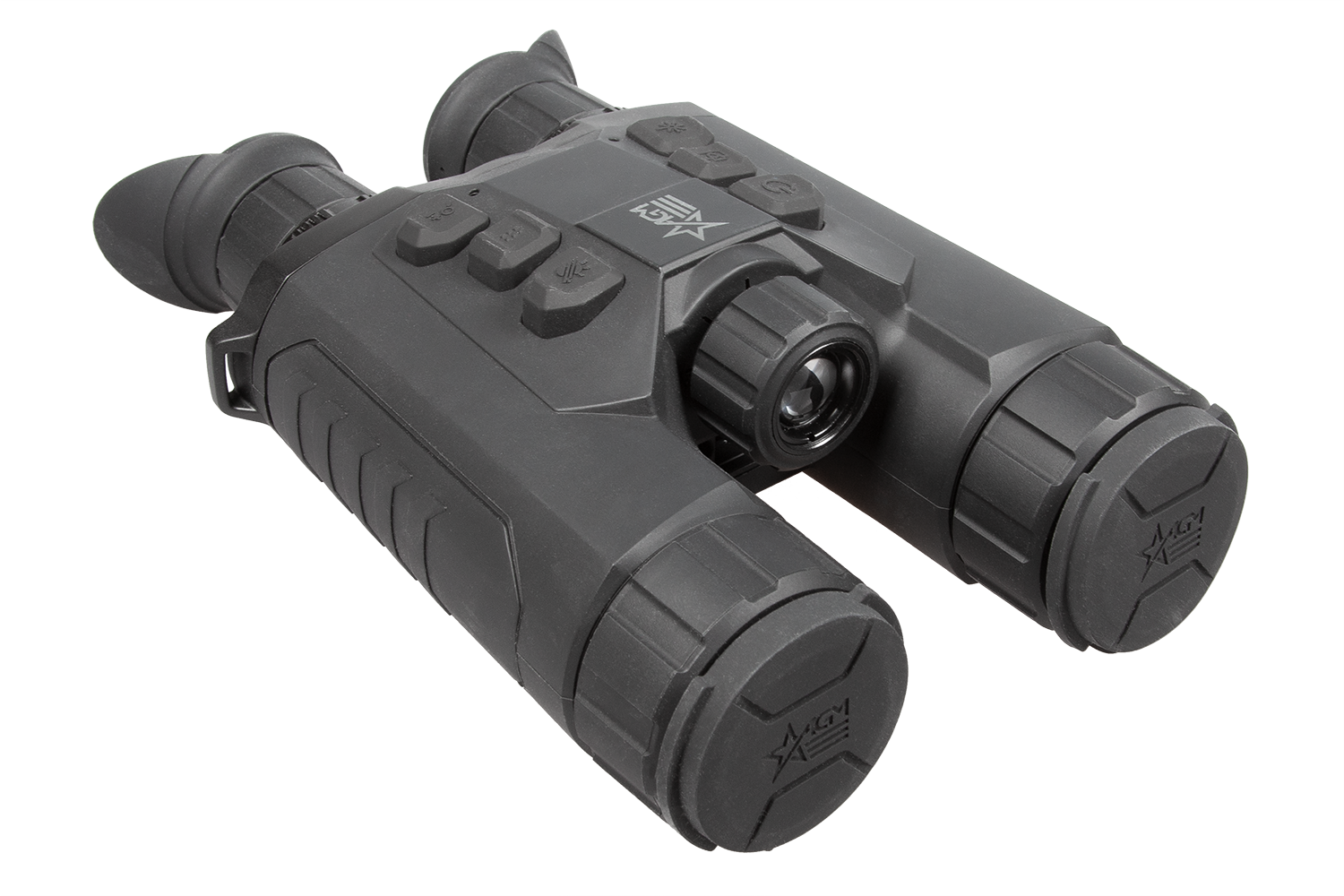
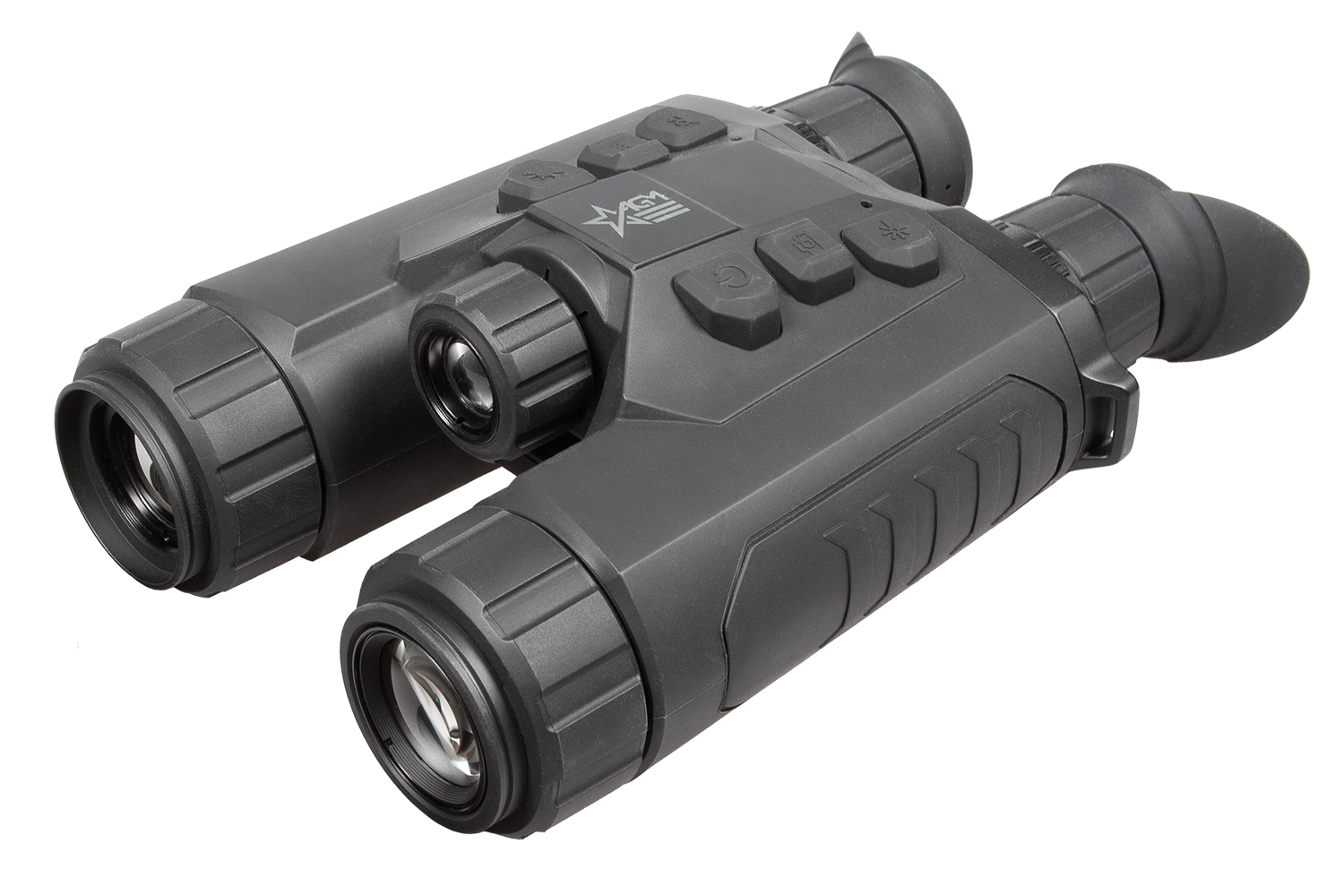
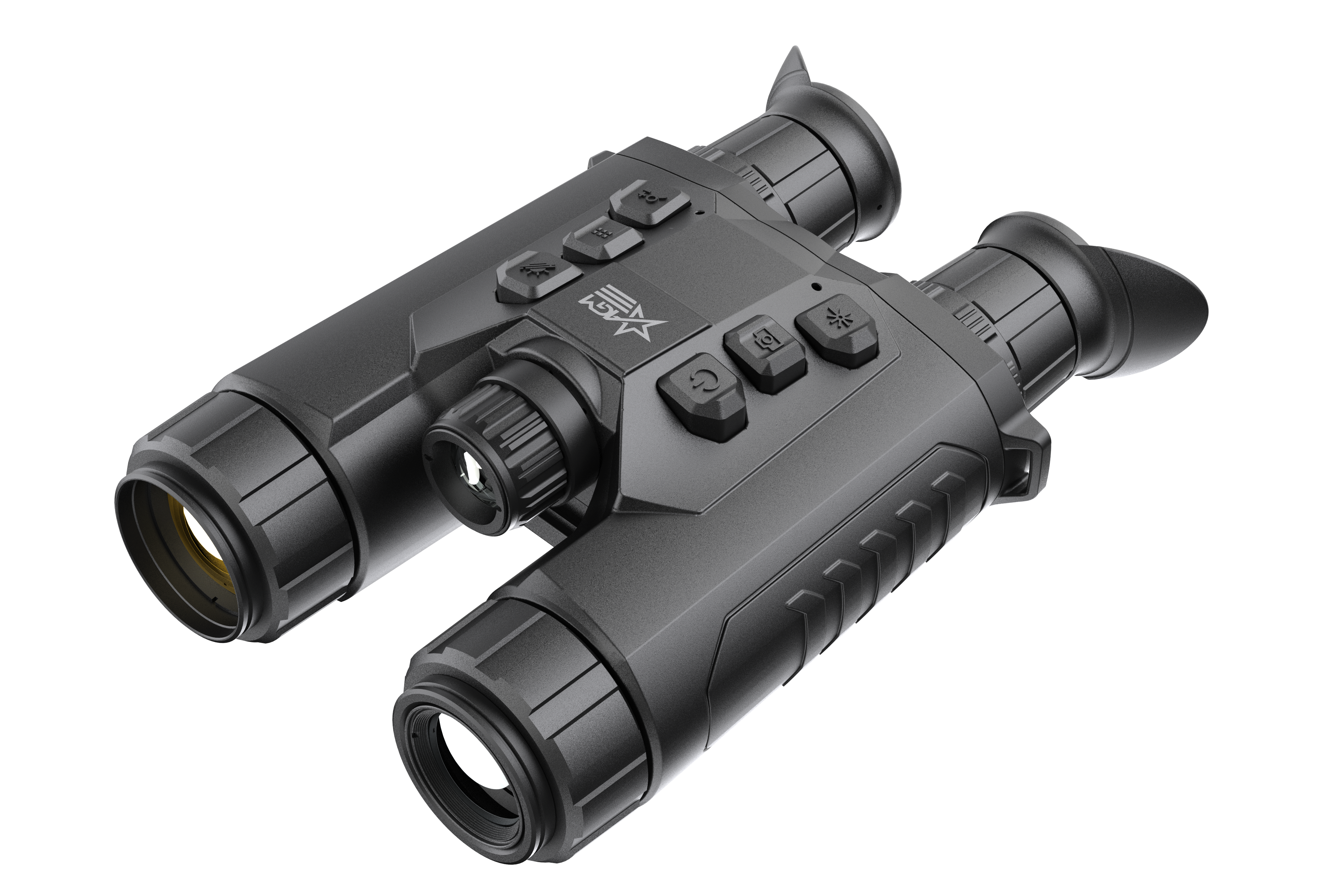
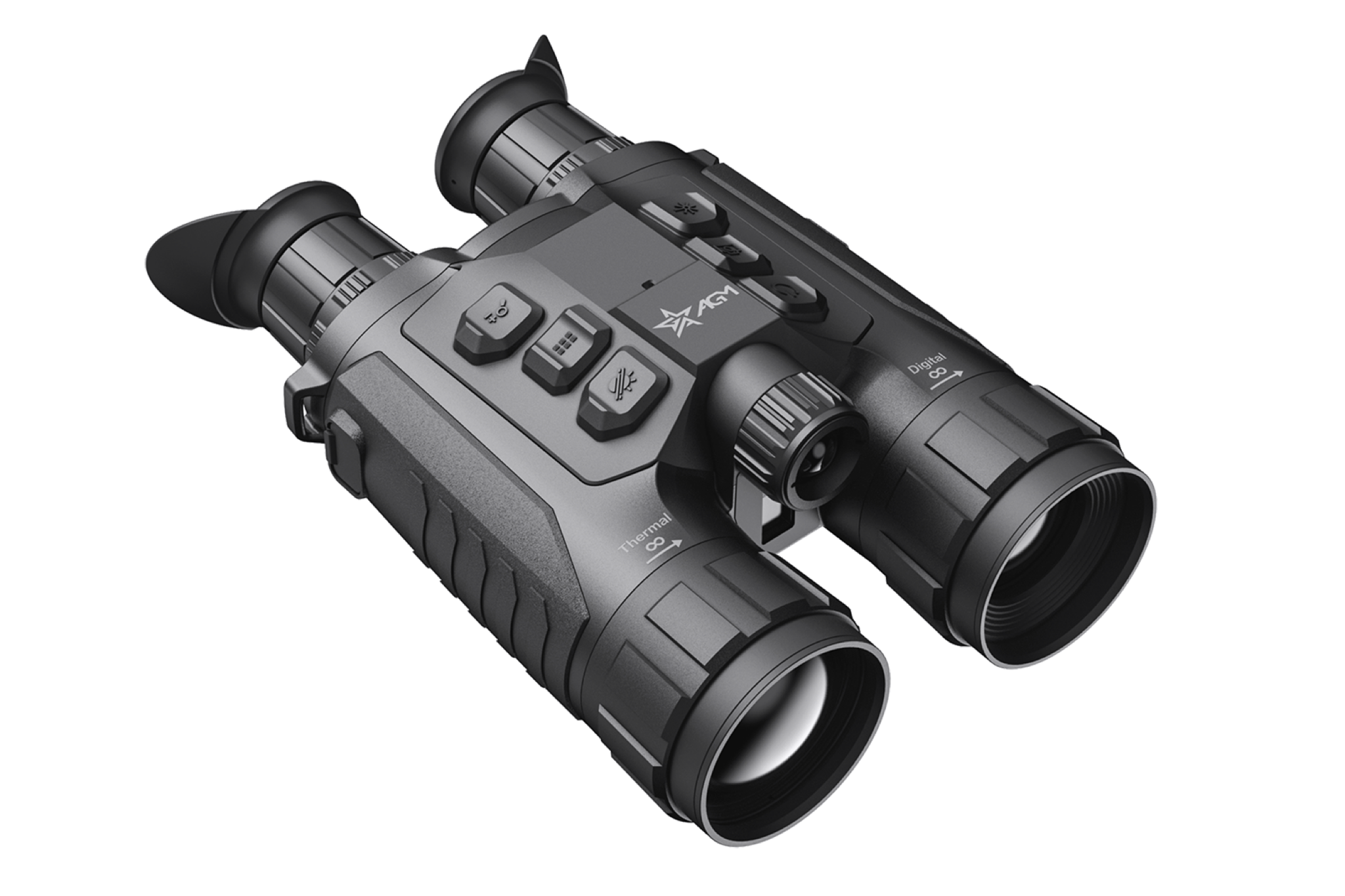
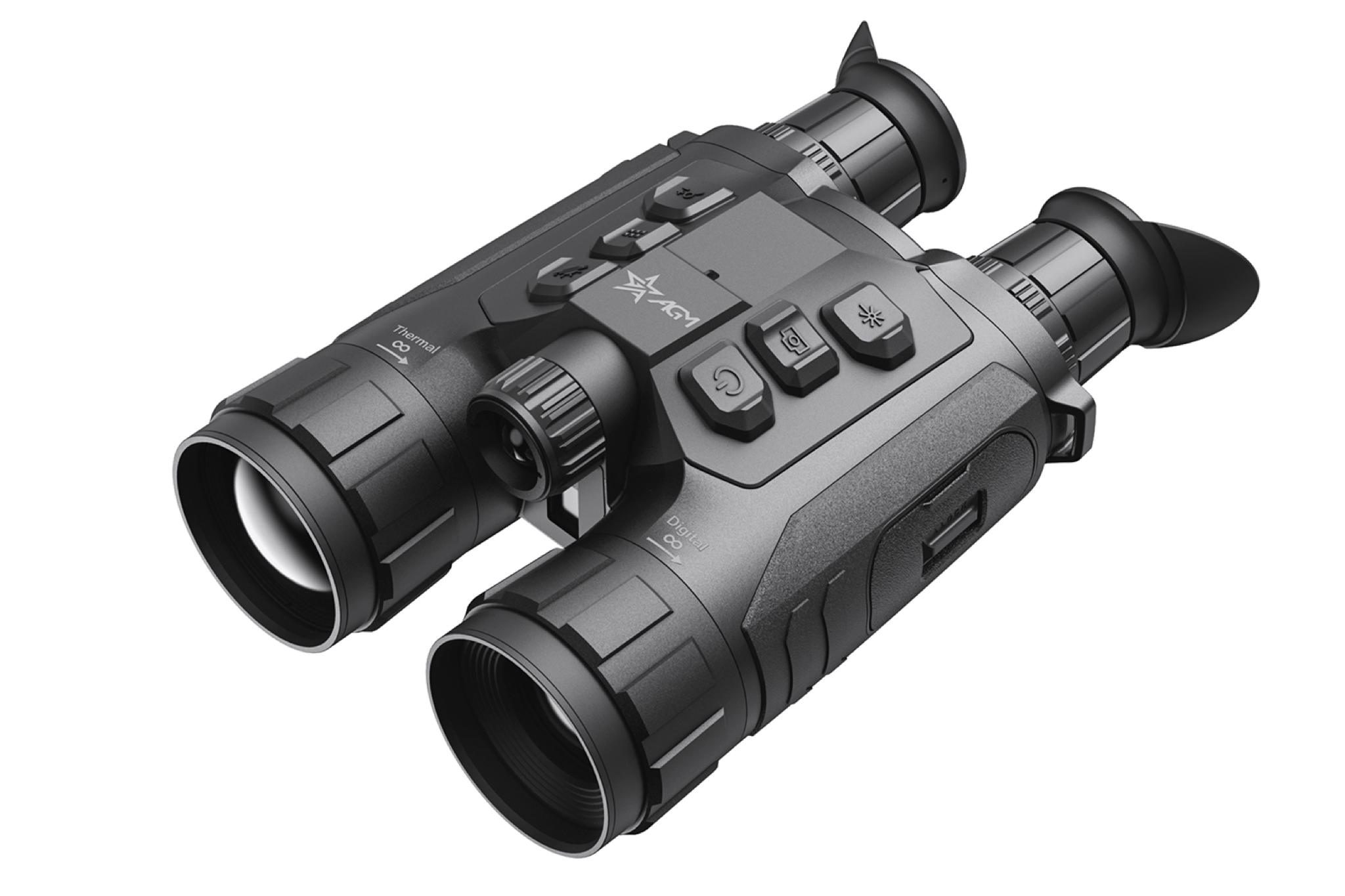
Digital binoculars are a good alternative to the classic models of this optics. Outwardly, they practically do not differ from each other, but in terms of their capabilities they are significantly superior to their predecessors. Such devices are equally often used day and night. Due to their ease of use, they are actively bought not only for professional use, but also for personal purposes.
Binoculars of this type have the same design as digital monoculars. The only difference is the presence of two lenses and eyepieces for better performance and ease of use. The identity of the design deprives the operating principle of the binoculars of any unique steps. At the beginning of the process, the device collects light. The CCD sensor captures all the collected data, after which a digital copy of the observed area is formed. This is done with the help of complex electronic filling. The finished image is displayed on the display built into the eyepieces. In some models, the latter can be combined and made in the form of one large screen, to view which you do not need to bring the optics close to your eyes.
Digital binoculars have a number of notable advantages over other similar devices. They are more compact than classic binoculars and are extremely comfortable to use. The image displayed on the screen is always very high quality, so users can see every detail on it. Among other positive aspects, a wide functionality immediately catches the eye. Depending on the purpose of the device, it can allow you to shoot video, determine the location, communicate with other equipment via Wi-Fi, determine the distance to the object, and much more. Also, detailed adjustment of optics will not become a problem for the user. The presence of all these advantages does not make digital binoculars excessively expensive. In most cases, they are cheaper than classic models. It is very difficult to find the disadvantages of digital optics. In binoculars, the most vulnerable point is often called the rapid consumption of battery power.
Digital weapon sights
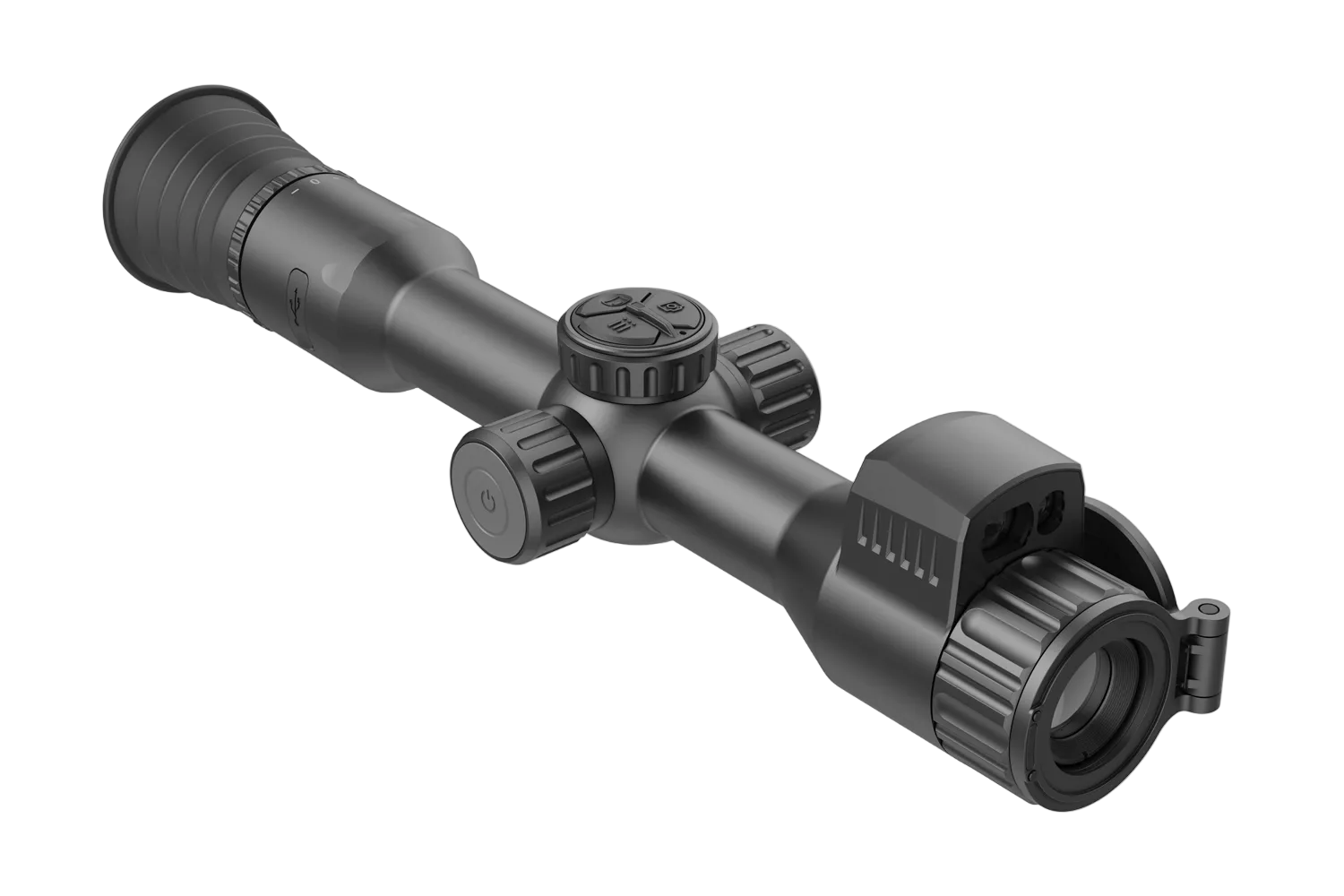
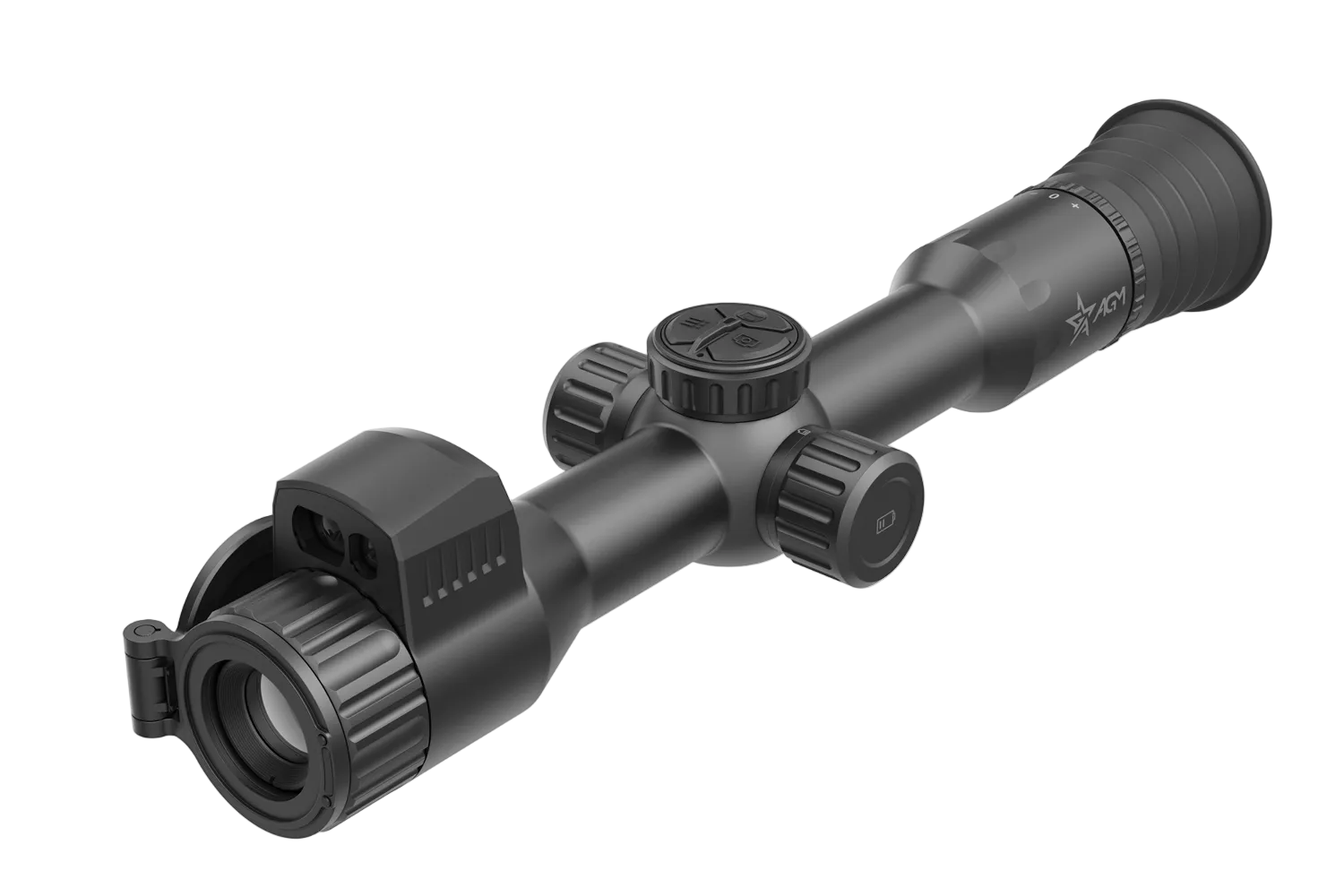
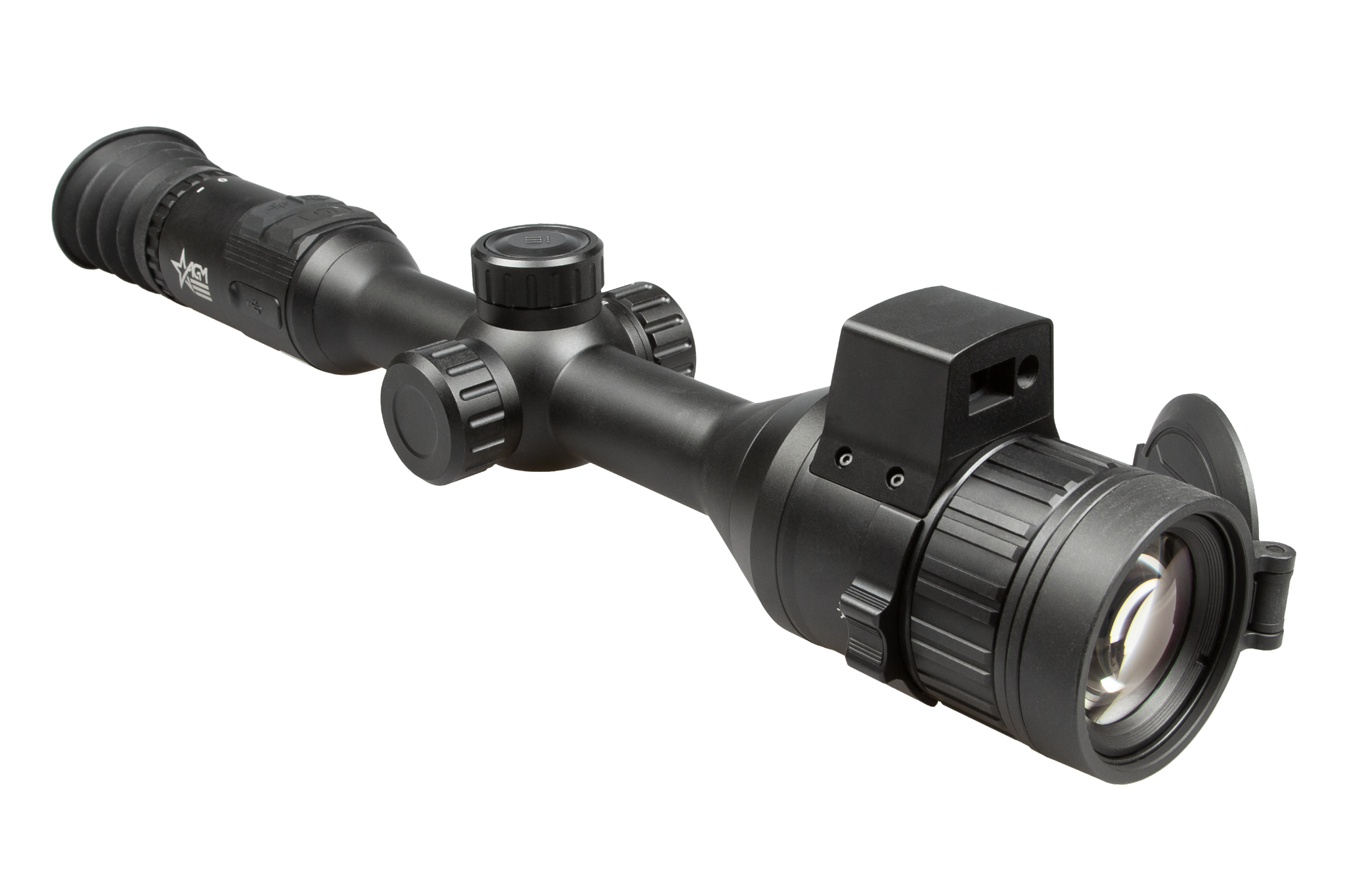
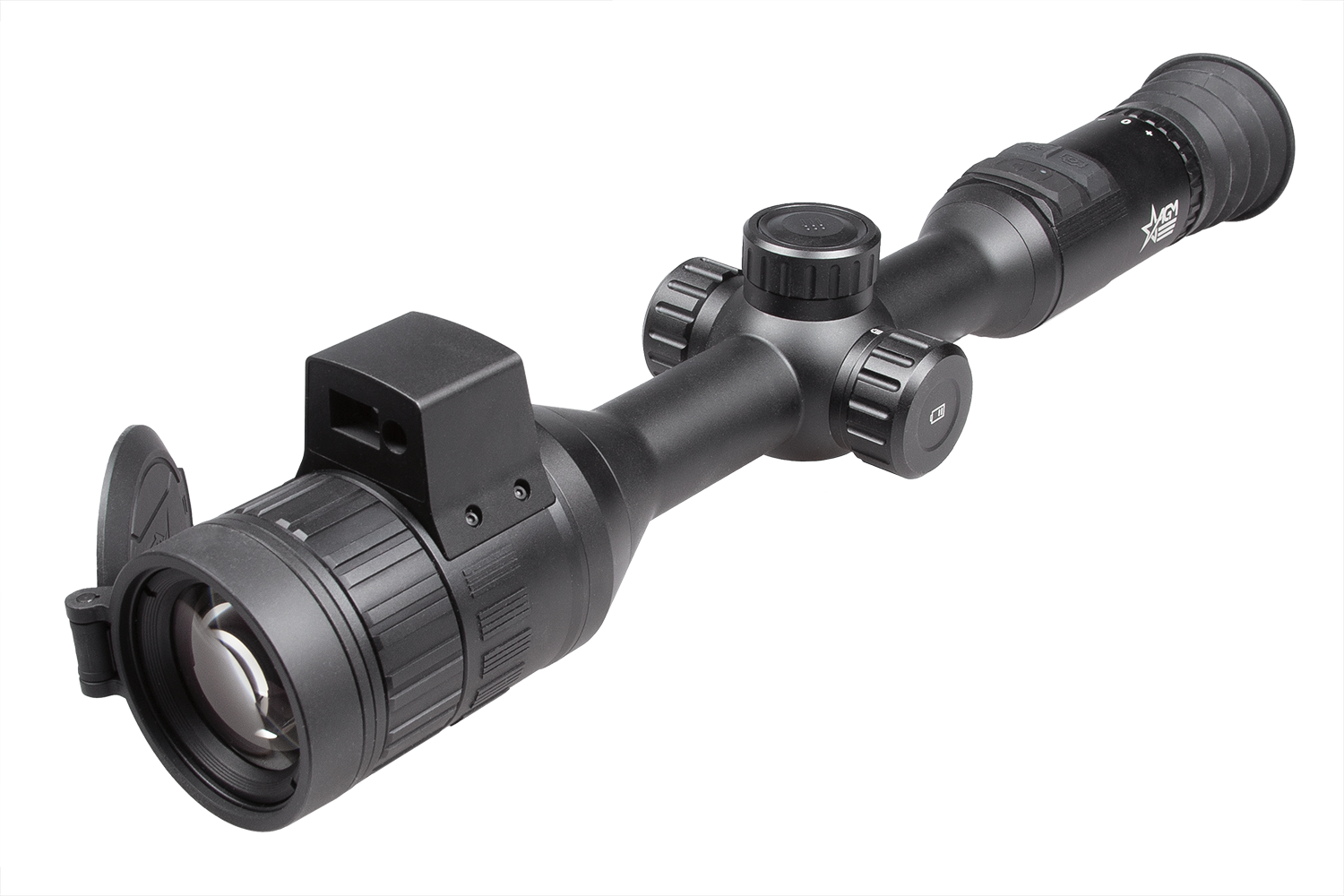
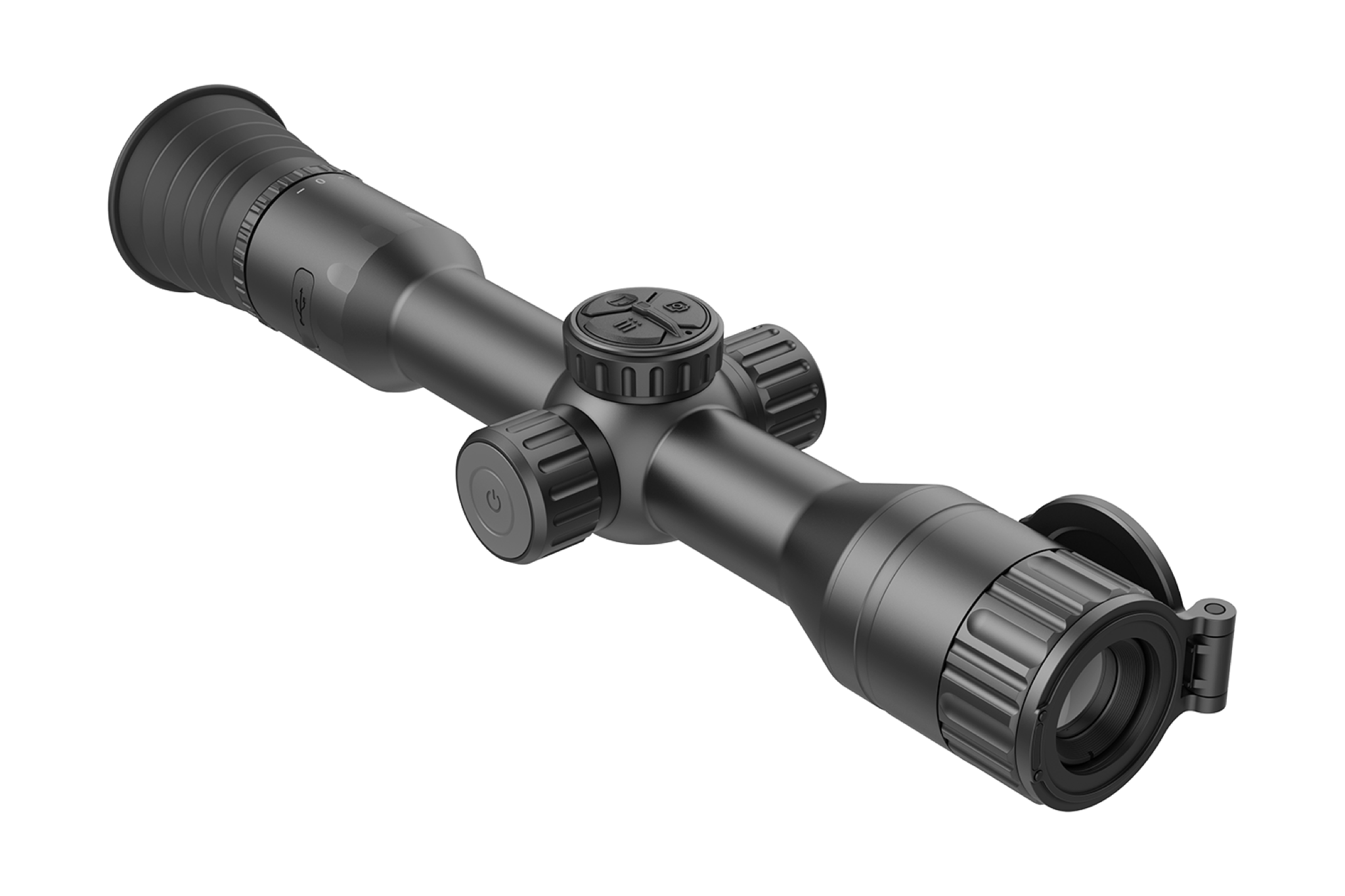
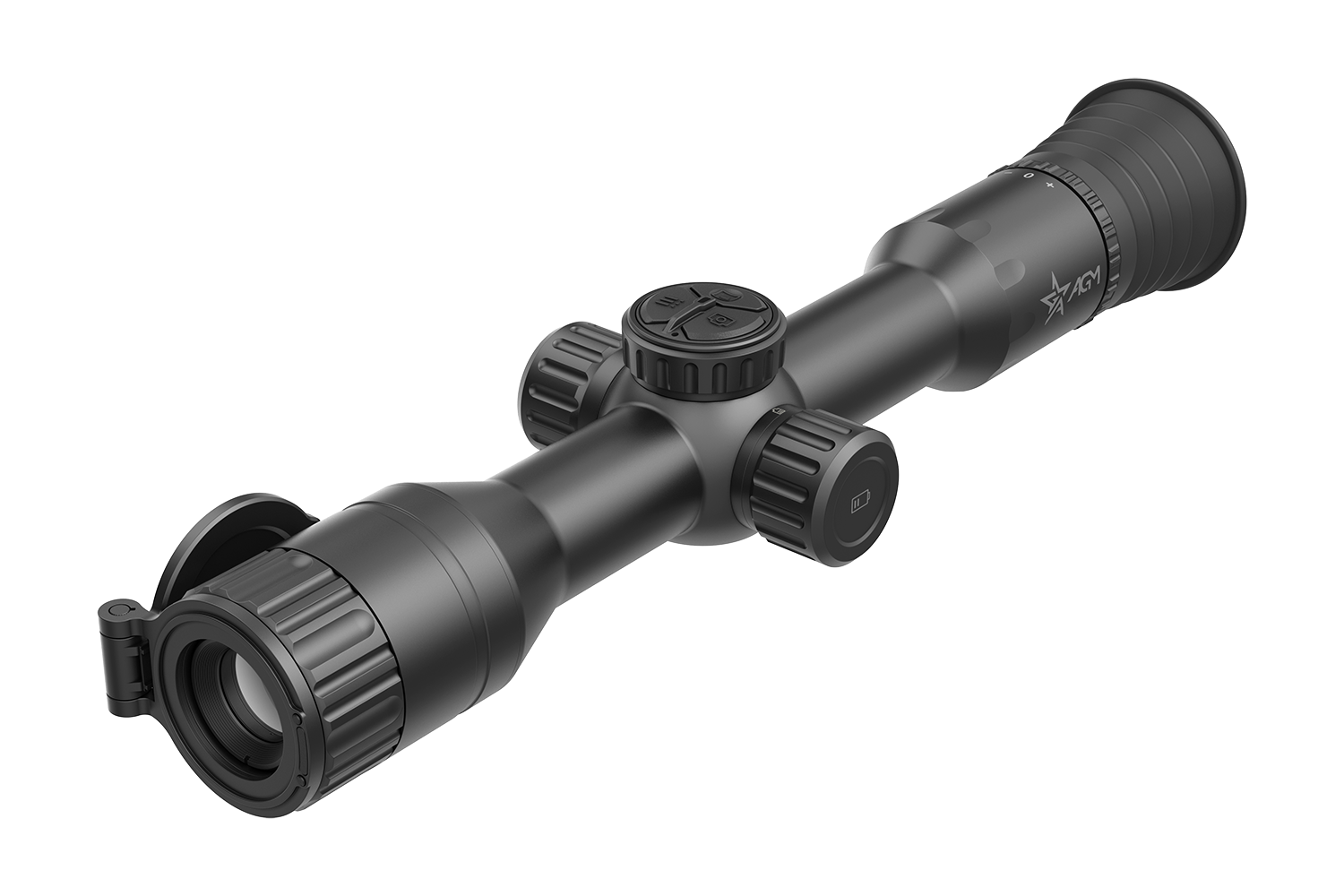
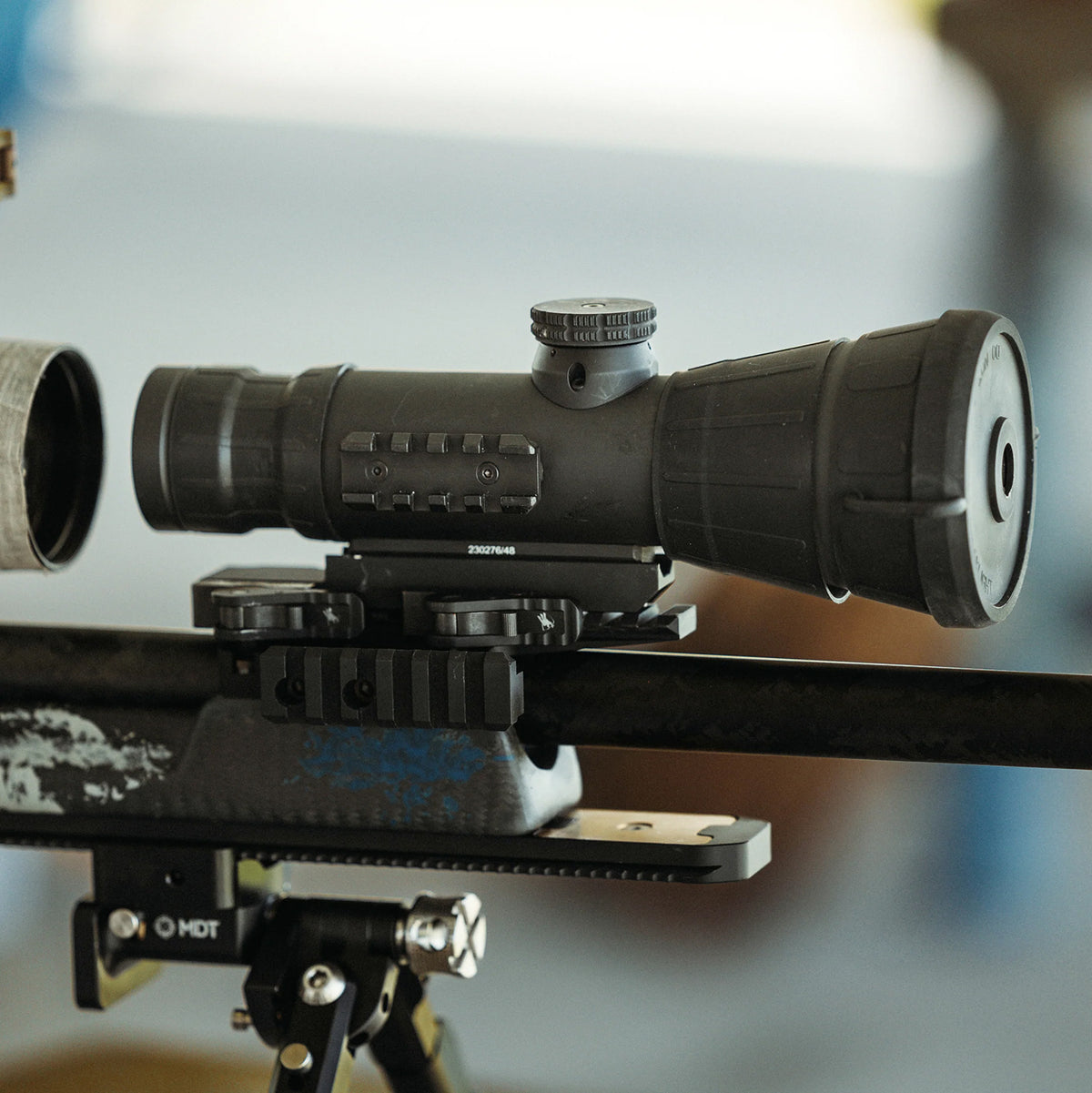
The military, security guards, hunters and people who want to protect their property from robbers are actively buying gun sights. Among them, models from the Digital category are especially popular. They are more versatile and functional than classic weapon sights designed for day or night use. The principle of operation of such optics is to convert the collected light into a digital image. This happens thanks to a special electronic system and a CCD sensor. Their joint work allows you to see a real picture of the area being examined on the screen of the sight in a few fractions of a second. The latter is combined with the eyepiece of the device, so users who are accustomed to classic sights will have no problem adapting to more modern optics.
Unlike standard scopes, digital ones can be installed on absolutely any weapon. This was made possible due to their ability to withstand almost any shock load. All modern digital models are more compact than their competitors. This makes it possible to comfortably use them without fear of overloading the weapon. Another important advantage is the increased zoom. With digital models, it is almost always more than 10x. At the same time, for standard sights of these data, the indicator rarely exceeds 4x (with similar dimensions). For the convenience of the shooters, the reticle is displayed on the display. Its position is adjusted only once, after which it is in the right place each time the shooter activates the optics. The color and configuration of the reticle can be quickly changed to your liking, which cannot be done in classic scopes. The latter also will not be able to give the user dozens of useful functions (for example, video recording, displaying various information on the screen, adjusting brightness, etc.) that digital devices have.
Learn more
How does digital optics work?
The principle of operation of digital devices is very different from that used in classical NV devices. In the design of the latter, there is such an element as an amplifying tube. With its help, photons are converted into electrons. Those, in turn, pass through a special microchannel plate, where they are repeatedly amplified and accelerated. This feature contributes to a rapid increase in the number of electrons and an increase in the brightness of the image displayed on the screen. Digital devices work differently. There is no amplifying tube in their design, but there is a highly sensitive CCD sensor. It includes a huge number of microscopic pixels that collect all the light captured by the device. At the next stage, this sensor fixes the value for all pixels, after which it forms the final image based on the received data. It is displayed on the display of a digital device, which, in most cases, is combined with an eyepiece. This allows the user to see the image in the same way as in the case of using classical optics.
Advantages and disadvantages of DO
Thermal imaging works by detecting infrared radiation emitted by objects and converting it into a visible image.
Main features
- Works in complete darkness
- Sees through fog and smoke
- Detects heat signatures
Key benefits
- Cost. Almost always, digital devices have a lower price, and exceptions to this rule are very rare. This is because the cost of a highly sensitive CCD sensor (taking into account the cost of materials and manufacturing costs) is less than that of the amplifying tube used in conventional NVDs. However, do not think that lower cost guarantees worse quality. It all depends on the specific model, its characteristics, capabilities and integrity of the manufacturer. Due to the lower price, digital optics will be a good option for beginners and people with little financial resources.
- Long service life. Standard amplifiers wear out more quickly than CCD sensors. In this regard, most digital devices are able to work much longer than their competitors. Another important feature that affects the service life is the versatility of CCD sensors. Most of them are able to capture light under any environmental conditions, which makes it possible to safely use the device in the morning, afternoon, at dusk, at night, as well as in clear or cloudy weather.
- Image quality. For classic NVDs with amplifying tubes, even with ideal initial data, image quality can sometimes decrease. Among the most frequently occurring defects, various distortions and phosphorescent spots are distinguished. Their appearance is impossible with digital devices. Thanks to this, the image will always be clear, detailed and equally bright in every area of the screen (even at the edges).
- Possibility of photo and video filming. DO forms a digital image based on the optical image. The latter can always be saved and used for specific purposes. Most often, modern models provide for the possibility of installing a memory card, on which the user can save the photos taken and the video footage taken. The most expensive devices already have built-in memory, and are also equipped with special connectors for connecting to a computer and other gadgets. It will not be possible to perform all of the above actions with most ordinary NVDs equipped with an amplifier.
- Wide additional functionality. DO is always more versatile than standard optics. This is due to the use of digital technologies, which make it possible to add many useful options, without any loss in quality. Most often, DO is supplemented with rangefinders, a Wi-Fi module, a GPS sensor. The first ones make it possible to measure the distance to an object that hits the screen of the device. The presence of the Wi-Fi module allows you to connect to various gadgets and even broadcast your adventures live (for example, hunting, hiking). The GPS is needed by the DO to locate the optics. This will help the user find out where he is, as well as look for a lost or forgotten device. In addition, GPS can provide useful information to rescuers who, with its help, can quickly find a person in trouble.
- Easy operation. Digital optics are much easier to use than classical ones. Thanks to this, it is perfect even for people who have never used such devices. DO is always very configurable and allows you to adjust a lot of parameters. It saves the changes made and does not require re-debugging. Another fact proving the superiority of digital models over classical ones is the ease of maintenance. There will be no problems during transportation. In most cases, digital optics tolerate even strong shaking well, which cannot be said about classic devices.
Main disadvantages:
- The speed of information processing. Classic night vision amplifies the light as quickly as possible and allows the user to see a clear picture of the area being examined. This became possible due to the beginning of the process of processing the collected information (amplification) immediately after the light hit the amplifying tube. With digital optics, the entire conversion process takes longer. In addition, the electrical signal needs to be constantly updated, otherwise the user will not see the changes taking place in the area being examined. All this leads to the appearance of certain delays in the process of displaying the image on the screen. This shortcoming will be insignificant for most users. However, when observing fast moving objects, problems can arise.
- The need for constant use of IR illumination. Classical optics makes it possible to activate infrared illumination when the user really needs it. This happens only if the device does not have enough natural light (for example, it is used on a cloudy night). At the same time, models from the DO category require the constant use of IR radiation, regardless of environmental conditions. This shortcoming leads to a faster consumption of battery power, which affects the period of operation of a digital device in offline mode.
The principle of operation of digital devices is very different from that used in classical NV devices. In the design of the latter, there is such an element as an amplifying tube. With its help, photons are converted into electrons. Those, in turn, pass through a special microchannel plate, where they are repeatedly amplified and accelerated. This feature contributes to a rapid increase in the number of electrons and an increase in the brightness of the image displayed on the screen. Digital devices work differently. There is no amplifying tube in their design, but there is a highly sensitive CCD sensor. It includes a huge number of microscopic pixels that collect all the light captured by the device. At the next stage, this sensor fixes the value for all pixels, after which it forms the final image based on the received data. It is displayed on the display of a digital device, which, in most cases, is combined with an eyepiece. This allows the user to see the image in the same way as in the case of using classical optics.
Thermal imaging works by detecting infrared radiation emitted by objects and converting it into a visible image.
Main features
- Works in complete darkness
- Sees through fog and smoke
- Detects heat signatures
- Cost. Almost always, digital devices have a lower price, and exceptions to this rule are very rare. This is because the cost of a highly sensitive CCD sensor (taking into account the cost of materials and manufacturing costs) is less than that of the amplifying tube used in conventional NVDs. However, do not think that lower cost guarantees worse quality. It all depends on the specific model, its characteristics, capabilities and integrity of the manufacturer. Due to the lower price, digital optics will be a good option for beginners and people with little financial resources.
- Long service life. Standard amplifiers wear out more quickly than CCD sensors. In this regard, most digital devices are able to work much longer than their competitors. Another important feature that affects the service life is the versatility of CCD sensors. Most of them are able to capture light under any environmental conditions, which makes it possible to safely use the device in the morning, afternoon, at dusk, at night, as well as in clear or cloudy weather.
- Image quality. For classic NVDs with amplifying tubes, even with ideal initial data, image quality can sometimes decrease. Among the most frequently occurring defects, various distortions and phosphorescent spots are distinguished. Their appearance is impossible with digital devices. Thanks to this, the image will always be clear, detailed and equally bright in every area of the screen (even at the edges).
- Possibility of photo and video filming. DO forms a digital image based on the optical image. The latter can always be saved and used for specific purposes. Most often, modern models provide for the possibility of installing a memory card, on which the user can save the photos taken and the video footage taken. The most expensive devices already have built-in memory, and are also equipped with special connectors for connecting to a computer and other gadgets. It will not be possible to perform all of the above actions with most ordinary NVDs equipped with an amplifier.
- Wide additional functionality. DO is always more versatile than standard optics. This is due to the use of digital technologies, which make it possible to add many useful options, without any loss in quality. Most often, DO is supplemented with rangefinders, a Wi-Fi module, a GPS sensor. The first ones make it possible to measure the distance to an object that hits the screen of the device. The presence of the Wi-Fi module allows you to connect to various gadgets and even broadcast your adventures live (for example, hunting, hiking). The GPS is needed by the DO to locate the optics. This will help the user find out where he is, as well as look for a lost or forgotten device. In addition, GPS can provide useful information to rescuers who, with its help, can quickly find a person in trouble.
- Easy operation. Digital optics are much easier to use than classical ones. Thanks to this, it is perfect even for people who have never used such devices. DO is always very configurable and allows you to adjust a lot of parameters. It saves the changes made and does not require re-debugging. Another fact proving the superiority of digital models over classical ones is the ease of maintenance. There will be no problems during transportation. In most cases, digital optics tolerate even strong shaking well, which cannot be said about classic devices.
- The speed of information processing. Classic night vision amplifies the light as quickly as possible and allows the user to see a clear picture of the area being examined. This became possible due to the beginning of the process of processing the collected information (amplification) immediately after the light hit the amplifying tube. With digital optics, the entire conversion process takes longer. In addition, the electrical signal needs to be constantly updated, otherwise the user will not see the changes taking place in the area being examined. All this leads to the appearance of certain delays in the process of displaying the image on the screen. This shortcoming will be insignificant for most users. However, when observing fast moving objects, problems can arise.
- The need for constant use of IR illumination. Classical optics makes it possible to activate infrared illumination when the user really needs it. This happens only if the device does not have enough natural light (for example, it is used on a cloudy night). At the same time, models from the DO category require the constant use of IR radiation, regardless of environmental conditions. This shortcoming leads to a faster consumption of battery power, which affects the period of operation of a digital device in offline mode.
Select a feature to view its content.